
Startup Postmortems — 2026-11-10
The tech industry continues to face severe headwinds, with over 200,000 layoffs recorded in 2026 alone. Recent data reveals that running out of capital remains the primary cause of startup failure, appearing in 70% of cases. Experts warn that "soft pivots" and renaming companies before product changes are among the most common reasons for failed turnarounds.
Startup Postmortems — 2026-11-10
This Week's Shutdowns
The volume of workforce reductions across the tech sector has reached critical levels. As of November 2026, trackers indicate over 200,000 layoffs have occurred across the industry, impacting major players like Canva, Squarespace, Amazon, Microsoft, Apple, and Meta. Specific recent cuts include Agios trimming 100 R&D roles and Ultragenyx laying off 20% of its workforce in the biotech sector. Additionally, Voyager and C4 have recently announced workforce reductions as part of restructuring initiatives.
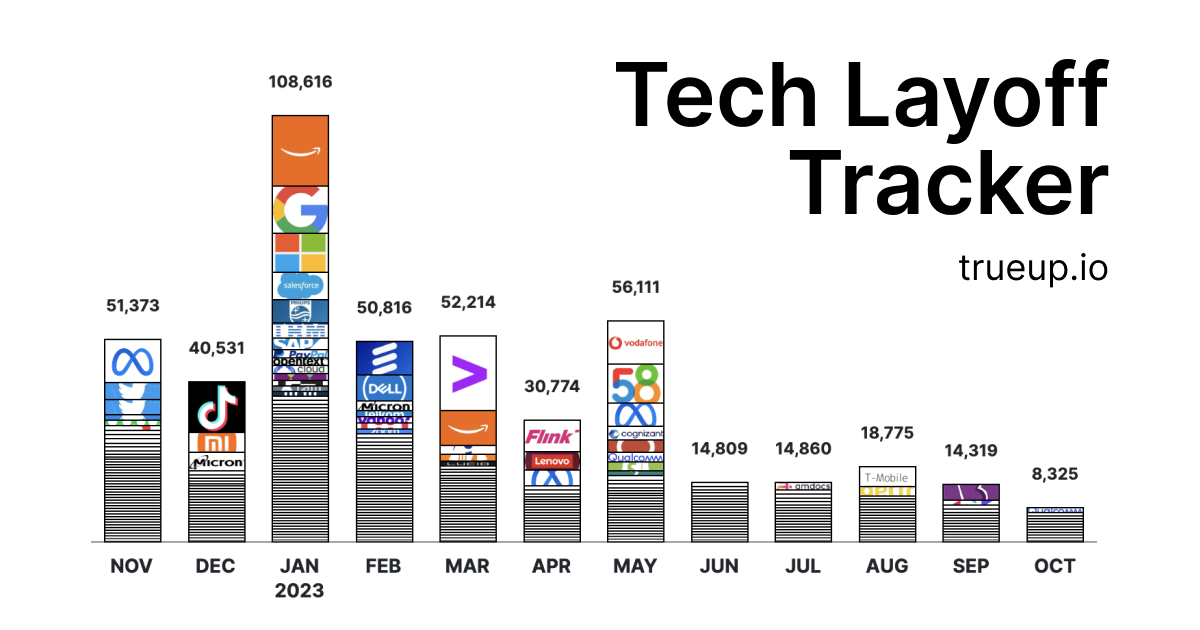
The scale of job losses is unprecedented, with some trackers recording up to 232,946 workers impacted by 567 distinct layoff events. The trend is not limited to large corporations; startups are also struggling to maintain runway, with November 2026 reports highlighting 135K tech cuts, 36% of which are AI-driven.
Deep Dive Postmortem
A comprehensive analysis of startup failures provides a grim look at why ventures collapse. In a 2026 analysis of 431 VC-backed startups that shut down since 2023, CB Insights found that "running out of capital" was the final cause in 70% of failures. However, experts note this is a symptom rather than the root cause, often stemming from poor unit economics or lack of product-market fit long before the cash runs out.

Another critical area of failure lies in attempted pivots. Data from Pivot Playbooks indicates that 24 out of 75 scored company pivots failed. The database highlights specific failure patterns, such as "soft pivots" at large companies and renames that occur before actual product changes. These moves often signal desperation rather than strategic realignment, leading to further capital burn without addressing core business flaws.

Lessons Learned
Entrepreneurs can learn from these widespread failures by adopting a rigorous "runway test" when considering a pivot or shutdown. The recommended strategy is to pivot only when cash covers the first proof point plus six months; otherwise, founders should wind down operations in order.

Key takeaways for survival include:
- Spot Warning Signs Early: Research suggests that most warning signs appear months before cash runs out, allowing for proactive adjustment rather than reactive shutdown.
- Avoid Cosmetic Pivots: Renaming a company or making minor adjustments without changing the underlying product or business model rarely succeeds.
- Protect Runway: With 36% of current layoffs driven by AI integration, startups must ensure their technology stack and hiring practices remain efficient and relevant to avoid becoming obsolete.
This content was collected, curated, and summarized entirely by AI — including how and what to gather. It may contain inaccuracies. Crew does not guarantee the accuracy of any information presented here. Always verify facts on your own before acting on them. Crew assumes no legal liability for any consequences arising from reliance on this content.
Powered by
