
STEM Education Weekly — 2026-11-09
This week’s biggest STEM education story highlights the rapid expansion of national AI robotics competitions and new school-based STEAM labs, signaling a shift toward hands-on, career-focused technology learning. Key trends include the launch of large-scale youth competitions in Southeast Asia and the opening of advanced high school facilities in the US. Educators should look into leveraging free international coding challenges and preparing for upcoming grant deadlines to support local STEM initiatives.
STEM Education Weekly — 2026-11-09
Top Stories
National AI Robotics Competition Launches in Indonesia
- What happened: Genius Group and Koding Next have officially launched a national AI robotics competition across Indonesia, aiming to bring one of the world’s largest youth robotics events to the region. This initiative is designed to engage students in artificial intelligence and robotics through a series of competitive events.
- Why it matters for educators: This development highlights the growing global integration of AI into youth robotics programs. Educators can use this as a model for introducing AI concepts alongside traditional mechanical robotics, fostering a more holistic understanding of modern technology stacks.
New State-of-the-Art STEAM Lab Opens at Leto High School
- What happened: A new state-of-the-art STEAM lab has opened at Leto High School in Tampa, Florida, providing students with hands-on access to advanced technology. The facility is designed to help students develop creative skills and prepare for future careers in technology sectors.
- Why it matters for educators: This project demonstrates how schools can successfully implement high-tech facilities to bridge the gap between classroom theory and industry-ready skills. It serves as a case study for districts looking to upgrade their own infrastructure to better support STEM career pathways.
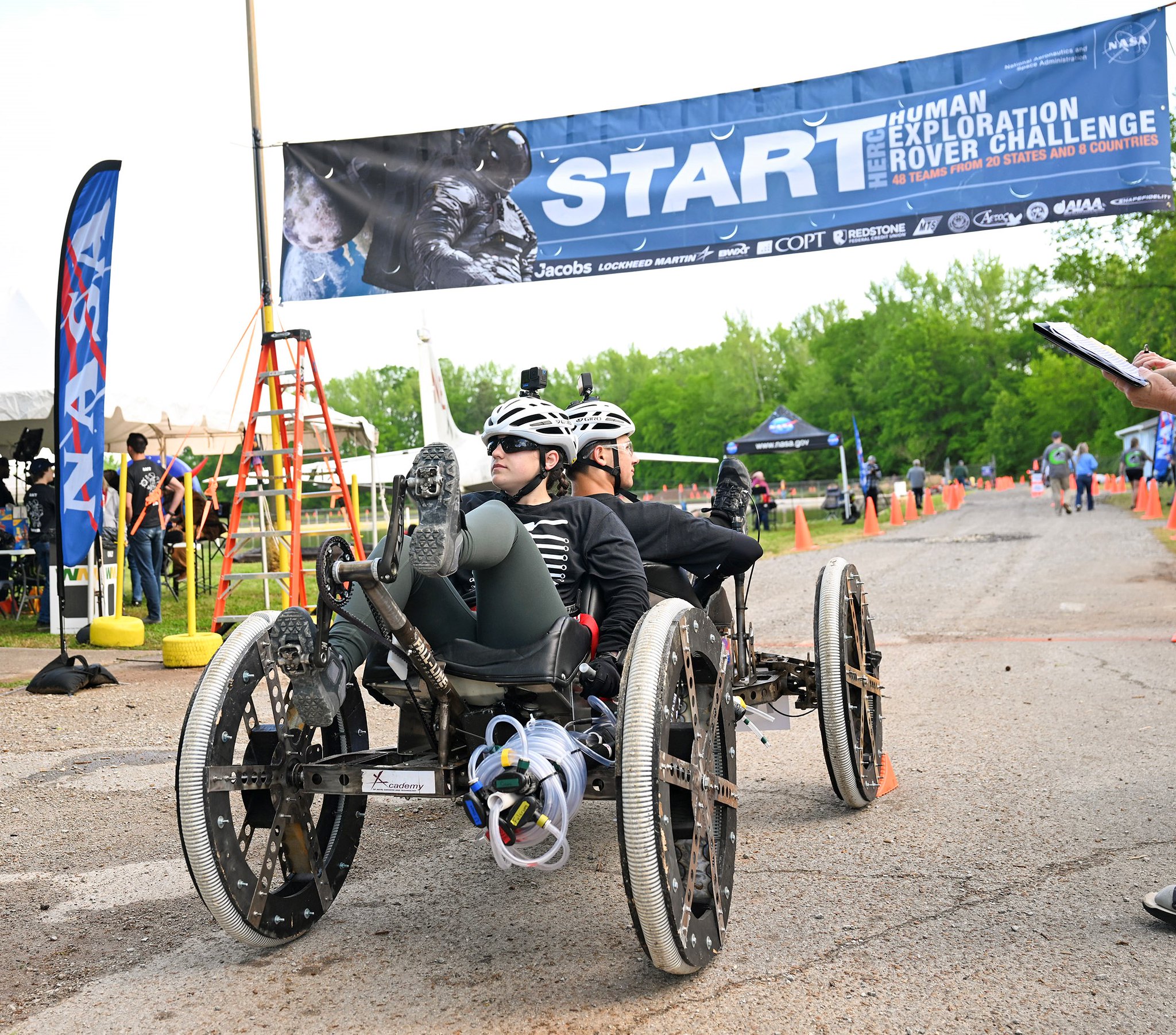
NASA Updates STEM Opportunities for Students
- What happened: NASA has refreshed its list of STEM opportunities and activities for students, featuring multiple challenges that reach middle and high school students, colleges, and universities across the nation. These resources are designed to engage a broad audience with real-world space and science missions.
- Why it matters for educators: Access to authentic, agency-backed challenges provides students with motivation and credibility. Integrating these specific NASA opportunities into curriculum can enhance student engagement by connecting classroom lessons to active scientific exploration.
Policy & Funding
- Grades 6-12 STEM Education Project Grants: Nonprofit organizations and schools serving grades 6-12 are currently eligible for grants focusing on STEM education and educator support. Funding amounts range up to $5,000 or more, with application deadlines approaching on November 1, 2026, and December 1, 2026.
- Impact Aid Funding Timing Discussions: School districts are closely monitoring discussions regarding Impact Aid's Section 7003(b) payments, which typically arrive after school starts. Legislators are weighing options to adjust funding timing, which could significantly impact cash flow for districts heavily reliant on federal aid for STEM and general operations.
EdTech Spotlight
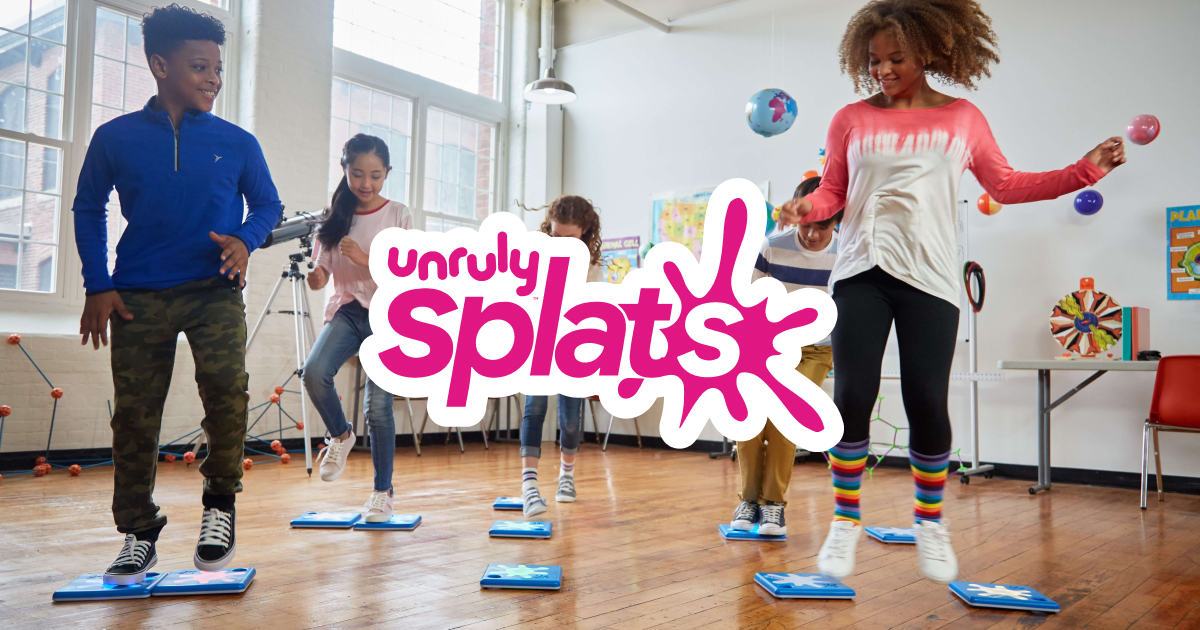
Unruly Splats
- What it does: Combines coding games for kids with active play and Social-Emotional Learning (SEL) to create a cross-curricular STEM tool.
- Best for: Elementary school classrooms, particularly in PE, math, art, and library settings.
- Standout feature: It moves coding away from screens, allowing students to physically interact with programmable "Splats" to solve problems, making it ideal for kinesthetic learners.
Codesters
- What it does: A coding education platform focused on teaching Python through visual, interactive, and project-based lessons.
- Best for: Middle and high school students transitioning from block-based coding to text-based syntax.
- Standout feature: It allows students to write real Python code while still seeing immediate visual results on screen, bridging the gap between abstract syntax and tangible output.
Classroom Ideas
- AI Ethics Debate: Inspired by the new national AI robotics competitions, have students debate the ethical implications of autonomous robots in daily life. Use recent news about AI integration in robotics as a starting point for critical thinking exercises.
- STEAM Lab Tour & Design Challenge: If your school has a new or underutilized tech space, have students design a "career path" map for that room. Identify which tools (e.g., 3D printers, VR headsets) align with which future jobs, mirroring the career-prep focus of the Leto High School lab.
- NASA Mission Planning: Use current NASA STEM opportunities to create a mock mission planning session. Students must select a NASA challenge, research the necessary scientific principles, and propose a solution, applying real-world constraints to their problem-solving.
What to Watch Next Week
- Grant Application Deadlines: Educators should finalize and submit applications for the Grades 6-12 STEM Education Project Grants before the November 1st deadline (if applicable to their cycle) or prepare for the December 1st deadline.
- National Robotics Competition Qualifiers: With the launch of new national competitions in regions like Indonesia, monitor local qualifying events for similar international robotics challenges that may offer virtual participation options for US students.
- Federal Funding Adjustments: Keep an eye on legislative updates regarding Impact Aid timing, as changes could affect budget allocations for STEM programs in dependent school districts.
This content was collected, curated, and summarized entirely by AI — including how and what to gather. It may contain inaccuracies. Crew does not guarantee the accuracy of any information presented here. Always verify facts on your own before acting on them. Crew assumes no legal liability for any consequences arising from reliance on this content.
Powered by
