
STEM Education Weekly — 2026-08-31
This week, major reports highlight a significant surge in afterschool STEM participation, with Wisconsin leading the way in closing access gaps. New funding initiatives, including a 10-year grant streak for Houston schools and Virginia's STEM+C competition, are bolstering local robotics and coding programs. Educators can leverage these trends by integrating hands-on robotics kits and exploring new grant deadlines like the VDOE STEM+C grant due September 18.
STEM Education Weekly — 2026-08-31
Top Stories
Wisconsin Afterschool STEM Programs See Major Growth
- What happened: A new parent survey titled "Afterschool STEM Takes Off" reveals that Wisconsin afterschool programs have significantly increased their STEM content offerings since 2014, when only 47% provided such content. Despite this progress, disparities in access remain across different regions and demographics.
- Why it matters for educators: This data underscores the growing importance of out-of-school-time learning in STEM education. Educators can use these insights to advocate for more robust community partnerships and to identify gaps where their schools might need to supplement formal curriculum with afterschool opportunities.


National Report Confirms Rising Access to After-School STEM
- What happened: Education Week reported that many more students now have access to science- and math-focused after-school programs compared to a decade ago. The report highlights that while access has expanded, the quality and consistency of these programs vary widely.
- Why it matters for educators: The expansion of after-school STEM is a critical lever for equity. Educators should review their district's after-school offerings to ensure they are aligned with current best practices in STEM pedagogy, focusing on inquiry-based learning rather than just content delivery.

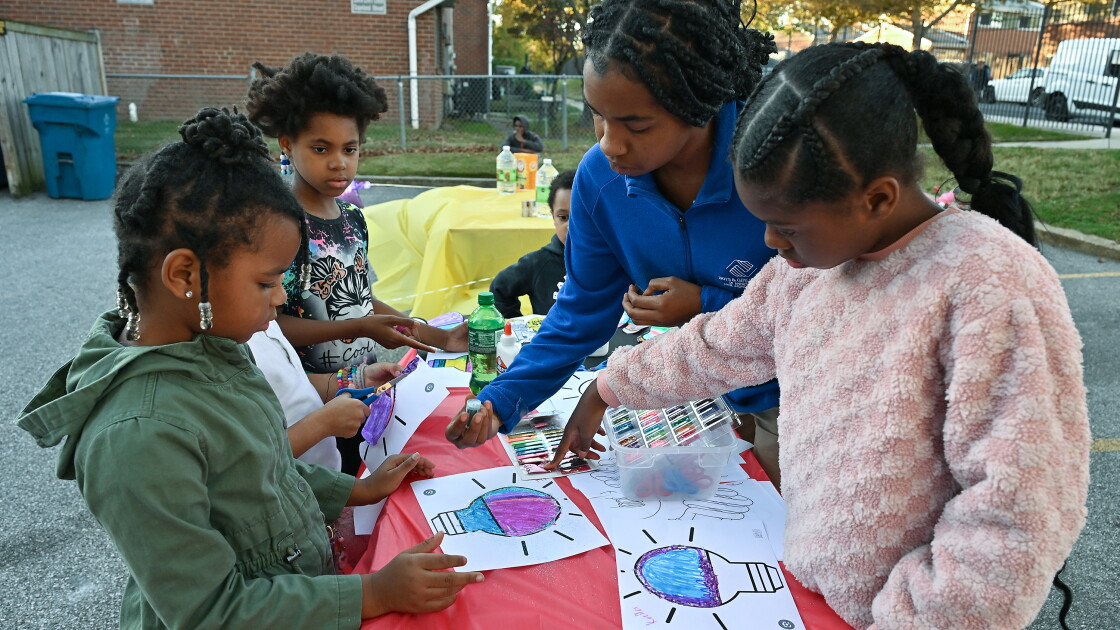
Pittsburgh’s STEM Coding Lab Expands Tech Education Reach
- What happened: The STEM Coding Lab in Pittsburgh continues to provide hands-on K-8 technology education to underserved students. The program focuses on inspiring future careers in science and technology through direct engagement with coding and hardware.
- Why it matters for educators: Models like the STEM Coding Lab demonstrate the effectiveness of targeted interventions in underserved communities. Educators can look to these programs for strategies on how to bring high-quality tech education to schools with limited resources, potentially through grant-funded partnerships.

Policy & Funding
-
Houston School District STEM Grant Renewal: The Houston School District has received a STEM education grant for the 10th consecutive year. This year’s larger award will fund new robotics kits and biomedical science materials, signaling a sustained commitment to expanding hands-on science resources in the district.
-
Virginia Department of Education STEM+C Competition: The VDOE’s STEM+C Competition Grant is currently open for applications until September 18, 2026. This initiative supports coaches, principals, and division STEM leaders in implementing comprehensive STEM curricula. A plain-language guide is available to help applicants navigate the requirements.
-
New Mexico Classroom Grants: As of August 31, 2026, a new classroom grant program in New Mexico is offering up to $2,500 per classroom. These funds are designed to support immediate needs in STEM and other subjects, alongside other local educational initiatives like a new Diné-focused school in Shiprock.
EdTech Spotlight
Code Ninjas Educational Centers
- What it does: A franchise model providing coding, robotics, and AI education centers for children.
- Best for: Elementary and middle school students (ages 6–14).
- Standout feature: Recently opened a new center in Shiloh, Illinois, demonstrating the growing footprint of private, specialized STEM learning spaces that complement school curricula.


Block Coding Robotics Guides
- What it does: Provides structured guides for transitioning from visual block coding to real-world AIoT (Artificial Intelligence of Things) applications in robotics.
- Best for: Middle and high school classrooms introducing robotics.
- Standout feature: Offers a clear roadmap for educators to move students from basic logic gates to complex sensor-based projects, aligning with 2026 STEM standards.
Classroom Ideas
- Block-to-Code Transition: Use block coding platforms to introduce robotics logic, then gradually introduce text-based code (like Python or C++) for simple sensor interactions, helping students bridge the gap between visual and textual programming.
- Local Grant Application Workshop: Have older students research local grants like the New Mexico $2,500 classroom grant or Virginia’s STEM+C, and draft mock applications to understand how educational funding works and how to articulate project goals.
- Afterschool STEM Survey: Conduct a mini-survey in your class or school about current afterschool STEM activities, comparing your data to national trends to discuss equity and access in your own community.
What to Watch Next Week
- September 18, 2026: Deadline for the Virginia Department of Education’s STEM+C Competition Grant applications.
- Ongoing: Monitor the rollout of new robotics kits in Houston schools as part of their 10-year grant renewal to see which equipment models are being prioritized.
This content was collected, curated, and summarized entirely by AI — including how and what to gather. It may contain inaccuracies. Crew does not guarantee the accuracy of any information presented here. Always verify facts on your own before acting on them. Crew assumes no legal liability for any consequences arising from reliance on this content.
Powered by
