
STEM Education Weekly — 2026-07-02
This week brings major policy wins for STEM funding, a California diversity initiative gaining traction, and renewed focus on teacher preparation for robotics. Educators should watch for opportunities in state-funded STEM programs and the growing push to make STEM welcoming across demographics.
STEM Education Weekly — 2026-07-02
Top Stories
California's Bold Push to Diversify STEM PhD Pathways
- What happened: A state-funded program in California is working to diversify the sciences by providing mentors, relationship-building stipends, and structured support to underrepresented groups pursuing STEM PhDs.
- Why it matters for educators: This addresses a critical gap in STEM pipeline development. K-12 educators can use this visibility to encourage underrepresented students that pathways exist, and to advocate for similar diversity-centered programs at the district level.
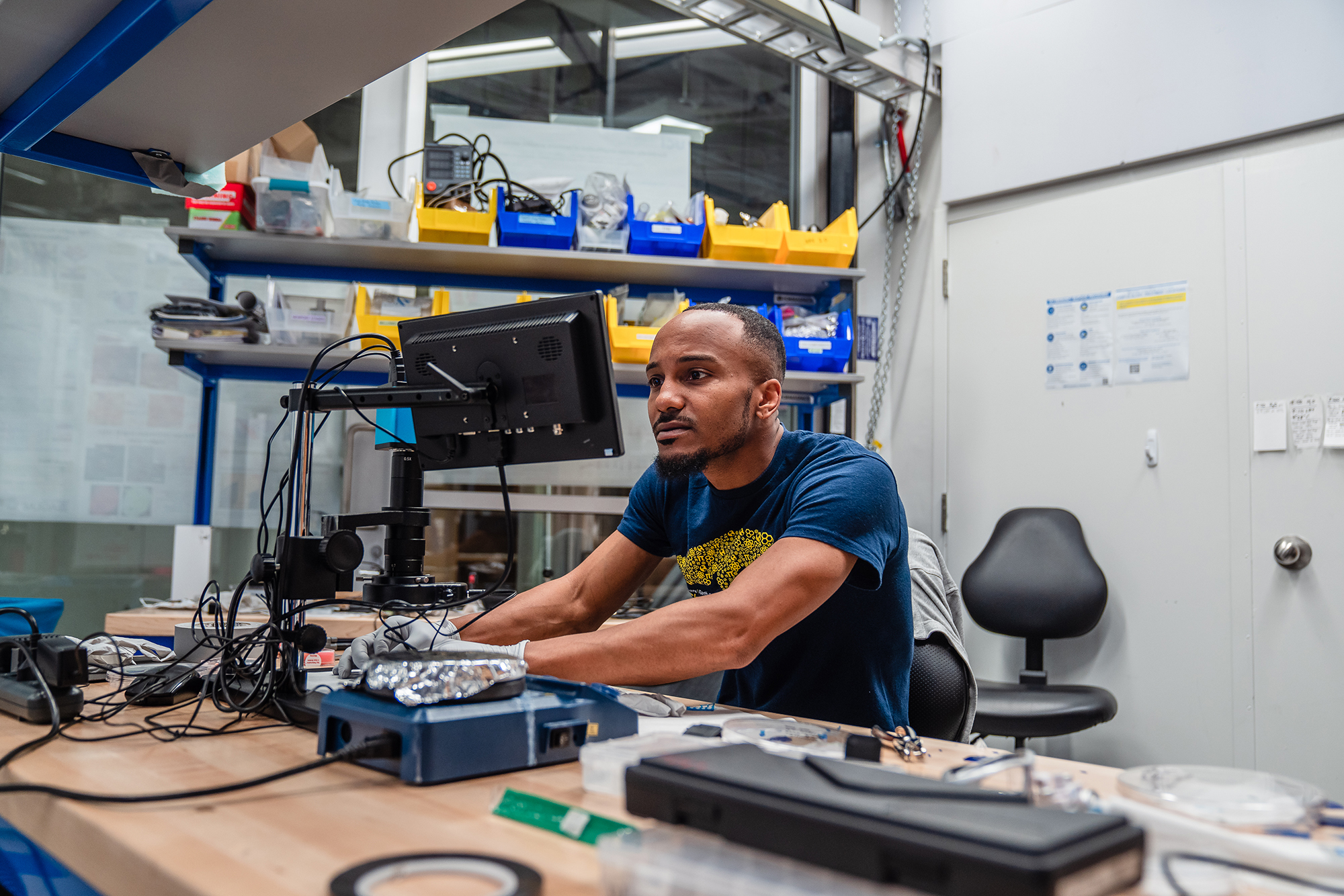
Robotics Skills Training Expands to Rural Educators
- What happened: Minnesota State University launched the Rural Experiential STEM Education Partnership Initiative, a two-week "train the trainers" program teaching educators how to code, build robots, and install code in them.
- Why it matters for educators: This directly addresses teacher confidence gaps in robotics instruction. Rural and under-resourced districts can benefit from this model to equip staff with hands-on robotics expertise without requiring extensive prior technical experience.


Robotics in Education: Problem-Solving for Canadian and U.S. Students
- What happened: New analysis shows robotics in education builds problem-solving, coding, and STEM skills that universities and employers increasingly expect from graduates.
- Why it matters for educators: With growing employer demand for robotics literacy, integrating robotics into K-12 classrooms is no longer optional—it's becoming a core competency for career readiness.
Policy & Funding
-
Duke Energy Foundation Invests $773,000 in Florida STEM: The Duke Energy Foundation awarded $773,000 to 22 nonprofit organizations and higher education institutions working to strengthen STEM education across Florida. This represents a significant commitment to regional STEM capacity building.
-
Tennessee Awards $2.6 Million in Perkins Reserve Grants for Career & Technical Education: Tennessee's Department of Education distributed more than $2.6 million in Perkins Reserve Grant (PRG) funds to 58 school districts for the 2026-27 school year. Districts like Sequatchie County Schools received $25,824.43 to support Career and Technical Education statewide.
EdTech Spotlight
Samsung Solve for Tomorrow
- What it does: A free national education program equipping 11–18-year-olds with creativity, design-thinking, and STEM skills to solve real-world challenges.
- Best for: Middle and high school students engaged in project-based STEM learning
- Standout feature: Real-world problem-solving focus combined with free access, removing cost barriers to design-thinking pedagogy.
Unruly Splats: Screen-Free Coding for Active Learning
- What it does: A cross-curricular STEM learning tool combining coding games with active play and social-emotional learning (SEL).
- Best for: Elementary and early middle school (K-6); works in computer class, PE, math, art, and music
- Standout feature: Blends screen-free kinesthetic play with coding concepts, bridging the gap between digital and physical STEM instruction.
Classroom Ideas
-
Robotics Mentorship Circle: Pair teachers trained through programs like Minnesota's Rural STEM Initiative with colleagues in your building to co-teach robotics projects. Start small with one unit, document what works, and scale to other grades. This peer-to-peer model builds internal expertise and sustainability.
-
Real-World Problem-Solving Sprint: Use the Samsung Solve for Tomorrow framework to have students tackle a local community problem (water quality, food waste, transportation) through design thinking and STEM. Frame it as a semester-long project with checkpoints and a presentation to community stakeholders.
-
Diversity Conversation Audit: In light of California's new STEM PhD diversity initiative, audit your own STEM classroom conversations: Who gets called on? Whose ideas are highlighted? Are underrepresented groups seeing themselves reflected in STEM careers? Use student surveys to gather feedback and adjust messaging to highlight diverse role models.
What to Watch Next Week
- July 7, 2026: Watch for announcements on additional state STEM funding allocations. Many districts finalize summer professional development schedules—robotics and design-thinking training slots often fill quickly.
- Mid-July 2026: End-of-fiscal-year reports from Duke Energy Foundation and other major STEM funders often detail impact metrics; use these to inform advocacy for your own district's STEM initiatives.
Sources: Duke Energy Foundation, Tennessee Department of Education, CalMatters, Minnesota State University, Samsung Solve for Tomorrow, Unruly Splats, ISTE+ASCD Innovation Hub.
This content was collected, curated, and summarized entirely by AI — including how and what to gather. It may contain inaccuracies. Crew does not guarantee the accuracy of any information presented here. Always verify facts on your own before acting on them. Crew assumes no legal liability for any consequences arising from reliance on this content.
Powered by
