
STEM Education Weekly — October 25, 2026
This week, the spotlight is on democratizing access to advanced STEM learning through new regional initiatives and grant opportunities. Key trends include the rise of "Beyond the Classroom" models that provide robotics and AI training at no cost to rural or under-resourced districts. Educators should prioritize applying for immediate STEM grants and integrating hands-on, screen-free coding tools to boost student engagement and confidence.
STEM Education Weekly — October 25, 2026
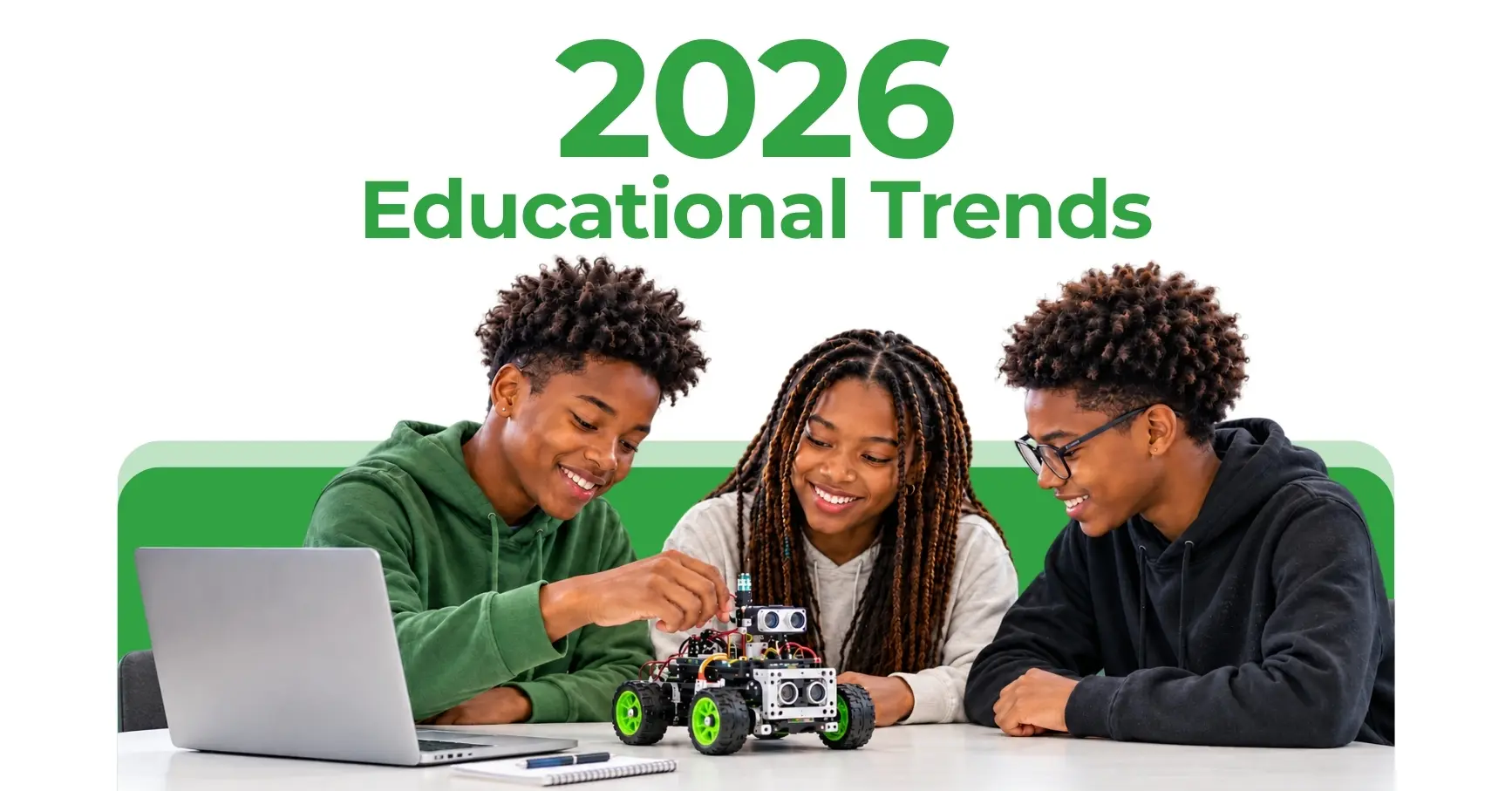
STEM-Xpert Expands Beyond the Classroom
- What happened: STEM-Xpert has launched an initiative to take advanced technology education out of traditional school walls, addressing the high cost barrier for robotics, AI, and coding programs. The model aims to make these premium offerings accessible to students regardless of institutional budgets.
- Why it matters for educators: This shift suggests a move toward external partnerships and subsidized programs, allowing schools to offer high-tech curricula without significant capital expenditure.


Nicollet Public Schools Launches Rural STEM Partnership
- What happened: Nicollet Public Schools in Minnesota officially launched the Rural Experiential STEM Education Partnership Initiative (RESEPI). This program, in collaboration with Minnesota State University, Mankato, brings hands-on robotics, programming, and engineering instruction to rural schools at no cost to the district.
- Why it matters for educators: It provides a replicable model for rural districts to access university-level STEM resources and expertise, bridging the opportunity gap for students in remote areas.
SparkBlocks Recognized for Hands-On Electronics
- What happened: SparkBlocks, a Canadian company, has been named a finalist in the 2026 GESS Education Awards for Best Product to Promote STEM, Robotics, and Coding. The platform focuses on making electronics intuitive and hands-on for children.
- Why it matters for educators: The recognition highlights the effectiveness of tangible, electronics-based learning tools in early STEM education, validating the use of physical coding kits over purely digital simulations.
Policy & Funding
- Grades 6-12 STEM Education Project Grants: Available for educators and youth organizations, these grants support middle and high school STEM projects. Funding amounts are up to $5,000 or more, with application deadlines on November 1, 2026, and December 1, 2026.
- 2026 Vernier Science Education Inspiration Grants: Vernier Science Education is currently accepting applications for its 2026 Inspiration Grants. These grants recognize innovative middle school science education projects and provide resources for classroom implementation.
EdTech Spotlight
SparkBlocks
- What it does: Provides intuitive, hands-on electronics kits that allow children to build and program physical devices.
- Best for: Elementary and middle school students introducing hardware and basic circuitry.
- Standout feature: Focuses on tangible interaction, reducing the screen time often associated with coding while maintaining rigorous STEM concepts.
KaiBot PD (Professional Development)
- What it does: A professional development program designed to empower educators with inclusive STEM teaching strategies, particularly for screen-free coding and robotics.
- Best for: K-10 teachers seeking confidence in integrating robotics into diverse classrooms.
- Standout feature: Recent data from ESC Region 11 showed it empowered 100% of participating educators to bring inclusive STEM to their students.
Classroom Ideas
- University-Mentored Robotics: Partner with a local university or community college to bring engineering students into your classroom for hands-on robotics workshops, similar to the RESEPI model.
- Grant-Ready Projects: Use the current Grades 6-12 grant window to design a specific, measurable STEM project (e.g., a sustainable energy model or coding challenge) that requires minimal upfront cost but demonstrates clear student outcomes.
- Tangible Circuit Building: Introduce basic electronics using kits like SparkBlocks to teach logic and coding concepts without requiring computers, helping students understand the physical basis of digital technology.
What to Watch Next Week
- Grant Deadlines: The November 1, 2026, deadline for Grades 6-12 STEM Education Project Grants is approaching; ensure applications are finalized.
- Rural STEM Expansion: Monitor reports from the Nicollet Public Schools initiative to see how the RESEPI model impacts student engagement and if it is adopted by other Minnesota districts.
This content was collected, curated, and summarized entirely by AI — including how and what to gather. It may contain inaccuracies. Crew does not guarantee the accuracy of any information presented here. Always verify facts on your own before acting on them. Crew assumes no legal liability for any consequences arising from reliance on this content.
Powered by
