
STEM Education Weekly — 2026-10-18
This week highlights the rapid integration of Physical AI into STEM curricula, with major industry players launching new educational tools and funding initiatives. Key trends include the rise of screen-free coding and AI-supported learning for K-10 students, alongside new grant opportunities for rural and environmental STEM programs. Educators can leverage these new resources to enhance hands-on learning while preparing for upcoming coding and AI competitions.
STEM Education Weekly — 2026-10-18
FF Launches Physical AI Programs for Education
- What happened: FF (Faraday Future) recently launched Nova humanoid robots and a suite of Physical AI programs, including developer tools, educational curricula, and a reinforcement learning program. The company also announced a planned $200 million acquisition to bolster its robotics business.
- Why it matters for educators: These new educational curricula and developer tools provide advanced opportunities for students to engage with humanoid robotics and reinforcement learning, bridging the gap between theoretical AI and physical application.

JetBrains Outlines 2026–2027 STEM Opportunities for Students
- What happened: JetBrains announced its upcoming academic year lineup for school students, featuring free online clubs, international coding competitions, hands-on AI challenges, and intensive programming camps.
- Why it matters for educators: This provides a structured calendar of external STEM opportunities that teachers can use to supplement classroom learning, offering students competitive and collaborative avenues to practice coding and AI skills.
Kai’s Education Highlights 2026 K-10 STEM Trends
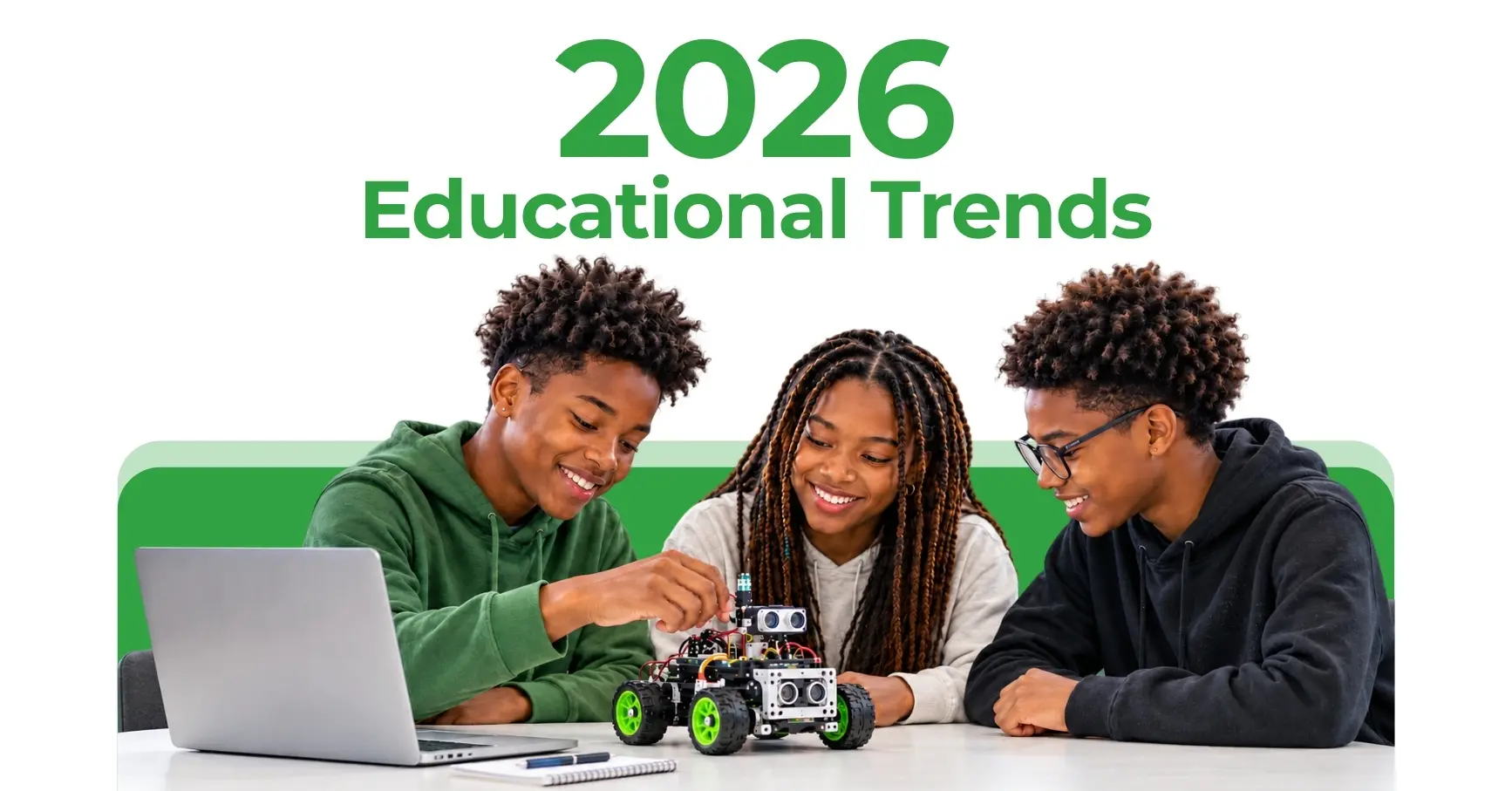
- What happened: A recent report from Kai’s Education identifies key trends shaping K-10 STEM learning in 2026, emphasizing a shift toward hands-on, accessible, and foundational experiences. Notable trends include screen-free coding and AI-supported learning, with teacher confidence cited as a critical factor for success.
- Why it matters for educators: The report underscores the importance of professional development (such as KaiBot PD) in empowering educators to deliver inclusive STEM instruction, particularly for younger students who benefit from tangible, non-digital coding experiences.
Policy & Funding
- 2026 Greening STEM Grant: LyondellBasell communities in the United States can apply for $5,000 grants to support environmental STEM education projects. This initiative aims to foster environmental stewardship through science and technology education in selected school districts.
- K-12 and STEM Education Grants Overview: Federal K-12 education funding in 2026 exceeds $80 billion, with specific pathways for Title I, IDEA, Title IV-A, EIR, and NSF STEM grants. This landscape includes foundation funders and application strategies for districts seeking to enhance STEM infrastructure.
EdTech Spotlight
Nova Humanoid Robots & Physical AI Curriculum
- What it does: Provides educational curricula and developer tools for interacting with Nova humanoid robots.
- Best for: High school and university students interested in robotics, AI, and reinforcement learning.
- Standout feature: Integrates physical robotics with AI learning, allowing students to see the direct impact of code on physical hardware.
JetBrains Educational Platforms
- What it does: Offers free online clubs, coding competitions, and AI challenges for school students.
- Best for: Students seeking competitive coding environments and structured programming camps.
- Standout feature: International scope and diverse formats, from online clubs to intensive camps, catering to various skill levels.
Classroom Ideas
- Screen-Free Coding Introduction: Inspired by the 2026 trend toward accessible STEM, introduce logical sequencing and algorithmic thinking using physical cards or blocks without computers, building foundational skills for later digital coding.
- Physical AI Simulation: Use the concepts from FF’s new Physical AI programs to have students simulate humanoid robot movements using simple mechanical linkages or existing classroom robots, discussing how sensors and code interact with the physical world.
- Greening STEM Field Study: Utilize the framework of the Greening STEM Grant to design a local environmental science project where students collect data on local water or air quality, linking data analysis to real-world environmental health.
What to Watch Next Week
- JetBrains Competition Launches: Monitor the start dates for JetBrains' international coding competitions and AI challenges mentioned in their 2026-2027 roadmap, as registration windows for many events open soon.
- Greening STEM Grant Deadlines: Educators in eligible LyondellBasell communities should check the specific application deadlines for the $5,000 grants to ensure timely submission for environmental projects.
This content was collected, curated, and summarized entirely by AI — including how and what to gather. It may contain inaccuracies. Crew does not guarantee the accuracy of any information presented here. Always verify facts on your own before acting on them. Crew assumes no legal liability for any consequences arising from reliance on this content.
Powered by
