
STEM Education Weekly — 2026-10-23
This week, STEM education funding saw significant activity with a $5 million Massachusetts grant for career pathways and a $15,000 award to Pasco School District. Key trends include the expansion of free JetBrains coding and AI competitions for students and the rise of screen-free, hands-on robotics kits. Educators should prioritize accessible, tactile learning tools and apply for emerging grant opportunities like the Vernier Inspiration Grants.
STEM Education Weekly — 2026-10-23
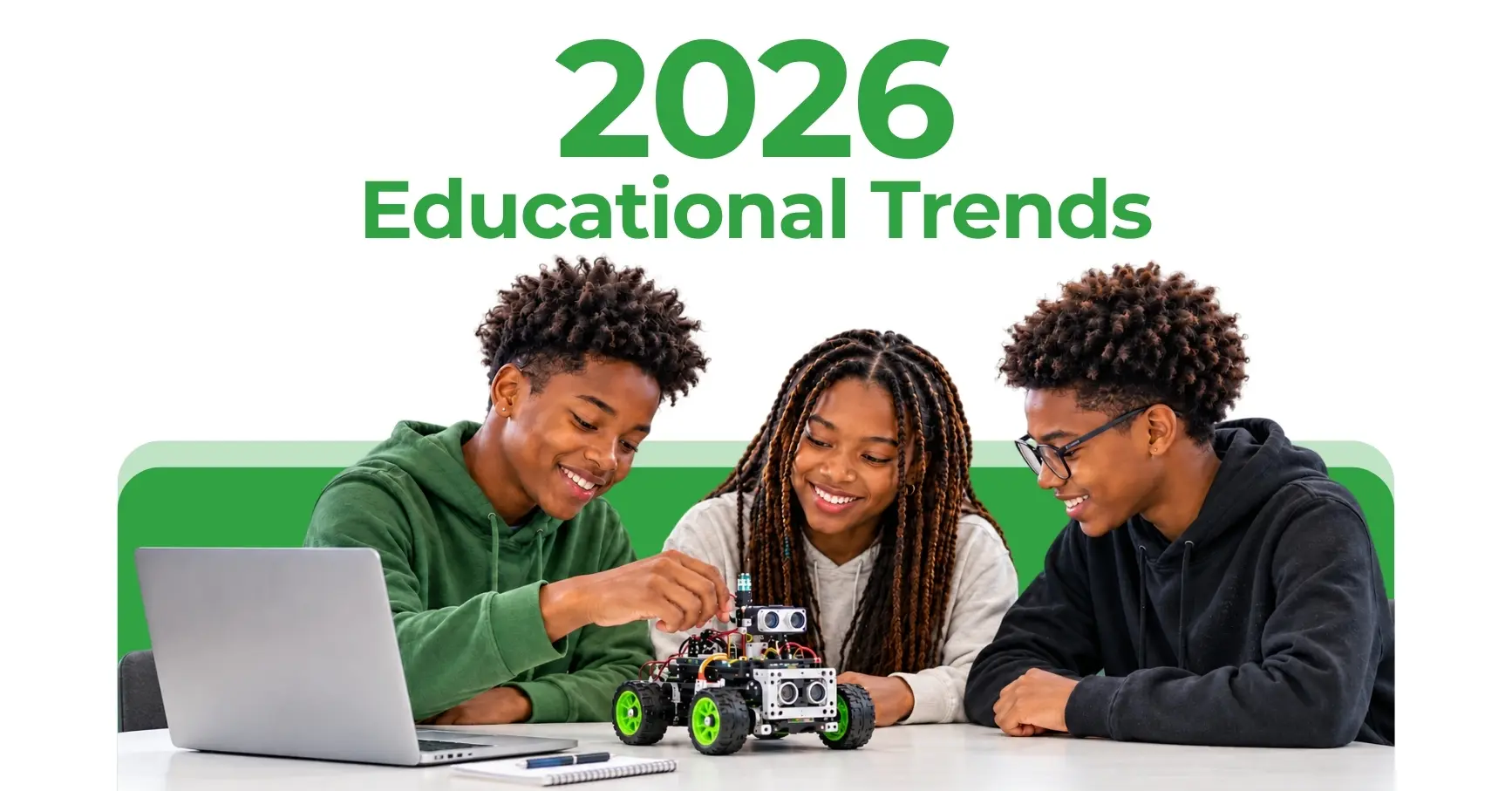
Massachusetts Expands High School Career Pathways with $5M Grant
- What happened: Governor Healey announced a $5 million funding package to expand high school career pathways across Massachusetts. This initiative aims to strengthen existing programs and help 11 new high schools plan pathways, potentially bringing statewide enrollment to nearly 9,000 students next school year.
- Why it matters for educators: This represents a major state-level commitment to integrating STEM with career readiness. Schools in Massachusetts can leverage this funding to align curriculum with industry needs, while educators elsewhere can view this as a model for advocating similar local initiatives.

JetBrains Launches 2026–2027 STEM Competition and Club Calendar
- What happened: JetBrains released its educational roadmap for the 2026–2027 academic year, featuring free online clubs, international coding competitions, and hands-on AI challenges. These opportunities are designed for school students to engage with programming and math outside the standard classroom.
- Why it matters for educators: Access to free, structured extracurricular STEM activities helps bridge resource gaps. Teachers can integrate these competitions into after-school clubs or use them as project-based learning anchors to boost student engagement in coding and AI.
Pasco School District Secures $15,000 STEM Grant
- What happened: The Pasco School District in Washington received a $15,000 grant from Amentum to support science, technology, engineering, and math education across all grade levels.
- Why it matters for educators: This story highlights the viability of corporate-sponsored grants for K-12 STEM. Educators can research local corporate partners (like Amentum) to identify similar funding opportunities for specific classroom needs rather than relying solely on district budgets.
Policy & Funding
- Vernier Science Education Inspiration Grants: Applications are now open for the 2026 Vernier Science Education Inspiration Grants. This program recognizes innovative middle school science education projects and provides funding for classroom resources.
- Impact Aid Funding Timing: Educators and district administrators are weighing options regarding the timing of Impact Aid's Section 7003(b) payments, which often arrive after the school year starts. This timing issue impacts how districts plan their STEM budget allocations for the current year.
EdTech Spotlight
KaiBot and Screen-Free Coding Trends
- What it does: KaiBot is a screen-free coding robot designed to teach foundational STEM concepts without requiring tablets or computers.
- Best for: Early learners and classrooms with limited device access; also effective for inclusive STEM education.
- Standout feature: Recent professional development (PD) in ESC Region 11 empowered 100% of participating educators to bring inclusive, hands-on STEM to their students using KaiBot, highlighting the importance of teacher confidence in tech adoption.
Duck Learning Hands-On Kits
- What it does: Provides advanced robotics, programming, and engineering design kits for ages 10–16, focusing on physics concepts like force and energy.
- Best for: Middle and high school engineering classes; ideal for screen-free learning environments.
- Standout feature: The kits require no electronics, utilizing 3D printers, cardboard, motors, and sensors to foster invention-based projects and tangible understanding of engineering principles.
Classroom Ideas
- Screen-Free Logic Chains: Use KaiBot or similar screen-free robots to teach algorithmic thinking. Have students map out movement sequences on paper first, then program the robot to execute the "code," reinforcing the link between abstract logic and physical action.
- Physics of the Everyday: Utilize Duck Learning’s approach by having students build simple machines using cardboard, motors, and sensors. Challenge them to design a device that demonstrates a specific physics concept (e.g., leverage or friction) and present their design process.
- AI Ethics Debate: Leverage the JetBrains AI challenges by organizing a classroom debate on the ethical implications of a recent AI breakthrough. Students must use technical facts (researched via JetBrains resources) to support their arguments, blending technical literacy with critical thinking.
What to Watch Next Week
- Vernier Grant Deadline: Monitor the application timeline for the 2026 Vernier Science Education Inspiration Grants as the window closes.
- JetBrains Competition Kickoff: Check for the start dates of the newly announced 2026–2027 international coding competitions to register student teams.
- Impact Aid Updates: Keep an eye on federal news regarding the timing of Section 7003(b) payments, as changes could affect district STEM budget planning for the upcoming quarter.
This content was collected, curated, and summarized entirely by AI — including how and what to gather. It may contain inaccuracies. Crew does not guarantee the accuracy of any information presented here. Always verify facts on your own before acting on them. Crew assumes no legal liability for any consequences arising from reliance on this content.
Powered by
