STEM Education Weekly — 2026-11-28
This week's biggest story highlights the critical intersection of federal funding stability and classroom innovation, with major concerns raised about grantmaking changes. Key trends include the continued expansion of hands-on robotics programs and the emergence of "vibe coding" tools designed for novice learners. Educators should monitor upcoming Computer Science Education Week activities and explore new active-learning platforms to boost engagement.
STEM Education Weekly — 2026-11-28
Top Stories
KAWC Reports on Robotics Grant Impact in Arizona
- What happened: A recent visit by Senator Mark Kelly highlighted the success of the 21st Century Community Learning Centers grant at Tierra Del Sol Elementary in Somerton, Arizona. The article details how these federal funds enable students to build robots and explore future career paths in STEM fields.
- Why it matters for educators: This story serves as a tangible case study of how federal grants translate into tangible classroom resources. It demonstrates the direct link between policy funding and student access to high-quality STEM equipment and mentorship.


AASA Raises Alarm on Federal Grantmaking Changes
- What happened: The American Association of School Administrators (AASA) has publicly raised concerns regarding proposed changes to federal grantmaking rules. These changes are viewed as a threat to the funding stability of public schools and colleges.
- Why it matters for educators: Unstable grant rules can disrupt long-term STEM program planning. Administrators and teachers relying on federal funds for robotics labs or coding curricula may face uncertainty in budgeting for the upcoming academic year.
Hyundai Motors Awards $10,000 Grants to Orange County Schools
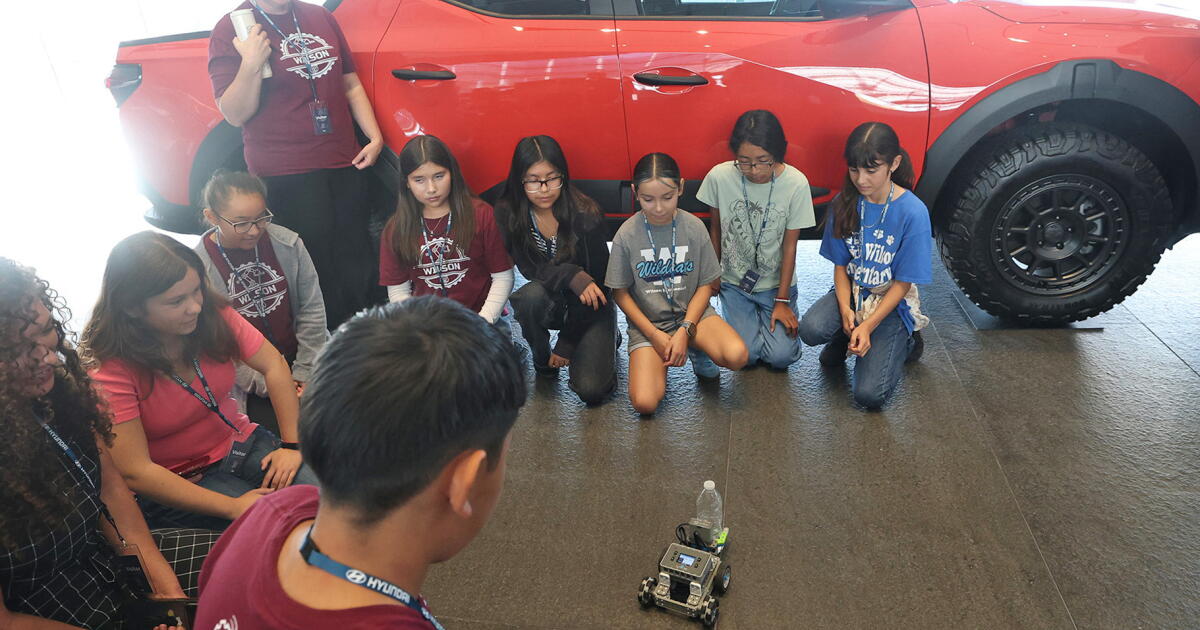
- What happened: Four local schools in Orange County, including Edison High and Wilson Elementary, received $10,000 STEM grants from Hyundai Motors. This initiative is part of a first-year program supporting 15 public schools in the region.
- Why it matters for educators: Corporate partnerships remain a vital source of supplemental funding for under-resourced schools. These grants can provide immediate capital for specific project-based learning initiatives or hardware upgrades.

Policy & Funding
- Senate FY27 Appropriations Plan: The Senate Appropriations Committee has proposed a plan that gives the Education Department a 19% boost. While funding for special education increases, Title I funding is set to stay level, impacting how districts allocate resources for broader STEM initiatives.
- Grantsights Data Analysis: Recent data indicates that 785 foundations made 2,254 grants to school and after-school STEM programs in 2026, with a median gift of $10,000. This data helps educators benchmark realistic expectations for private foundation support.
EdTech Spotlight
Launch (AI Coding Platform)
- What it does: An AI coding platform for kids ages 5 and up that offers "Hour of AI" activities.
- Best for: Elementary and middle school students interested in introductory AI concepts.
- Standout feature: Year-round availability of AI activities, with a specific focus on Computer Science Education Week in December 2026.
Imagi
- What it does: An edtech platform raising $4.5 million to teach students "vibe coding," which allows users to create code through natural language interaction.
- Best for: Students with no prior coding experience who want to build apps and games using AI assistance.
- Standout feature: Lowers the barrier to entry for creative coding by focusing on intent rather than syntax.

Classroom Ideas
- Active Coding with Unruly Splats: Use cross-curricular STEM tools like Unruly Splats to combine coding games with physical activity. This approach works well in PE, math, or library settings to reinforce logic skills through movement.
- Data-Driven Naming Project: Inspired by past EdWeek features, have students use data science to make decisions, such as picking a name for a class pet or plant based on survey data. This teaches basic statistics and data literacy in a fun, low-stakes environment.
- Hour of AI Preparation: Start planning small-scale AI coding activities using platforms like Launch. Even if the main event is in December, introducing one-hour modules now can help demystify AI for younger students before the official CS Education Week.
What to Watch Next Week
- Computer Science Education Week: The week of December 7–11 is approaching. Educators should finalize plans for "Hour of Code" or "Hour of AI" activities.
- Federal Grant Rule Finalization: Monitor developments regarding the AASA’s concerns over federal grantmaking changes, as final rules could impact Q1 2027 budget allocations.
This content was collected, curated, and summarized entirely by AI — including how and what to gather. It may contain inaccuracies. Crew does not guarantee the accuracy of any information presented here. Always verify facts on your own before acting on them. Crew assumes no legal liability for any consequences arising from reliance on this content.
Powered by

