
STEM Education Weekly — 2026-05-21
This week's biggest STEM education story is a new $11 million initiative by the Computer Science Teachers Association to train teachers in artificial intelligence literacy. A key trend is the rapid expansion of robotics competitions and showcases connecting students directly to career pathways. Educators can take immediate action by exploring CSTA's AI professional development program to bring structured AI instruction into their classrooms.
STEM Education Weekly — 2026-05-21
Top Stories
CSTA Launches $11M "AI PD Weeks" to Train Teachers in Artificial Intelligence
- What happened: The Computer Science Teachers Association has launched a major new initiative called "AI PD Weeks," backed by $11 million in funding. The program is designed to provide structured professional development for teachers who want to bring AI concepts into their classrooms but lack formal training in the subject.
- Why it matters for educators: As AI becomes embedded in everyday tools and industries, teachers are increasingly expected to teach AI literacy without having received any training themselves. This initiative offers a structured, funded pathway for educators to gain confidence and curriculum resources — potentially reaching thousands of classrooms.



University of San Diego Breaks Ground on New Shiley STEM Initiative Building
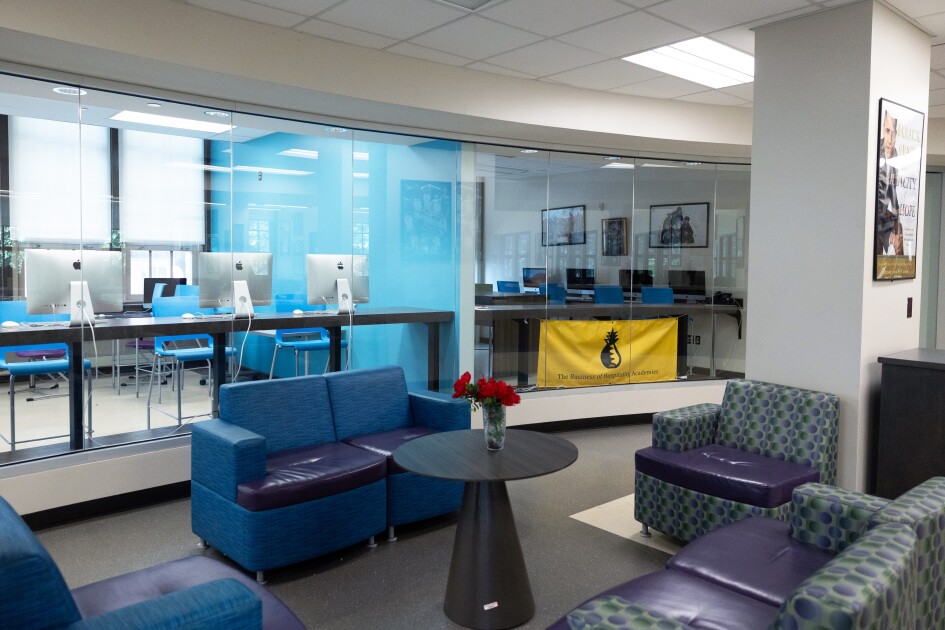
- What happened: The University of San Diego community celebrated a groundbreaking ceremony for the Shiley STEM Initiative building, a major new facility intended to transform STEM education and research at the institution. The announcement was made via PR Newswire on May 20, 2026.
- Why it matters for educators: Large-scale institutional investments in dedicated STEM facilities signal growing momentum and funding for hands-on science and engineering education at the college level — a model K–12 schools and districts may look to as a benchmark for their own program development.

Coronado Unified Robotics Teams Excel at FLL Spring Showdown 2026
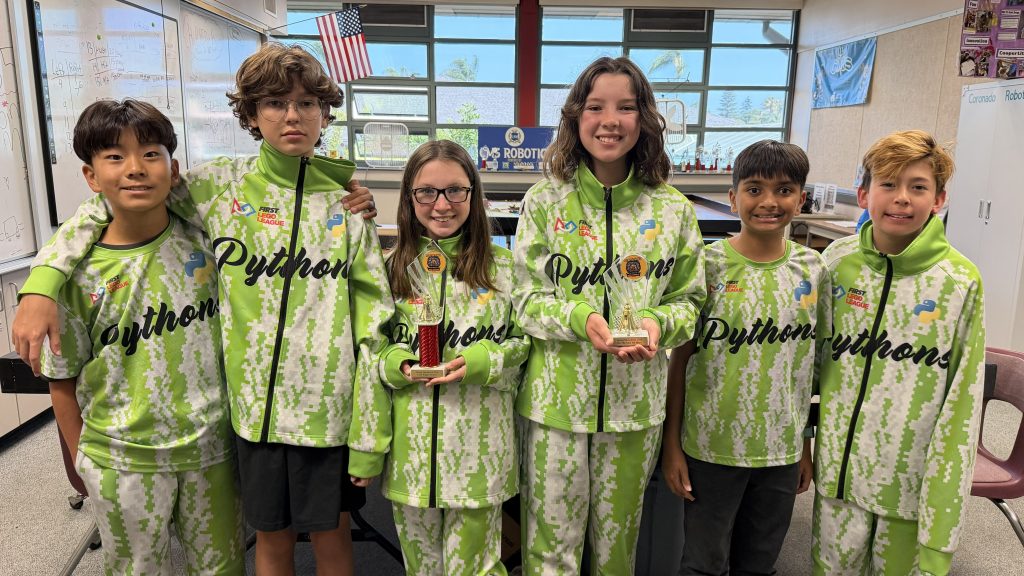
- What happened: Robotics students from the Coronado Unified School District demonstrated engineering skills, leadership, and composure at the FIRST LEGO League (FLL) Spring Showdown 2026, held at Patrick Henry High School. The event highlighted strong student performance across multiple grade levels.
- Why it matters for educators: Competitions like FLL give students authentic engineering challenges and real stakes — boosting motivation, collaboration, and problem-solving in ways that traditional instruction often cannot. This story is a reminder of the impact that competitive robotics programs can have at the district level.
Philippines DepEd Announces Robotics Challenge Unlimited for SY 2026–2027
- What happened: The Philippine Department of Education issued Advisory No. 107, s. 2026, announcing the "Robotics Challenge Unlimited" program for the 2026–2027 school year, signaling a national-level push to integrate robotics into K–12 competition culture.
- Why it matters for educators: International government bodies expanding robotics programming at the national level reflects a global trend toward treating robotics as a core 21st-century skill — not an extracurricular afterthought. U.S. educators can draw insights from how other nations are scaling these programs.
Berkeley Robotics Showcase to Highlight Student Talent and Career Networks
- What happened: A robotics showcase in Berkeley, California is designed to highlight local student innovation, spotlight robotics career pathways, and directly connect students with working professionals in the field.
- Why it matters for educators: Events that bridge the gap between classroom robotics work and actual career opportunities are a powerful tool for student motivation and workforce preparation. Teachers can use this model to advocate for similar professional-networking events in their own communities.
Policy & Funding
-
Callaway High School $10,000 STEM Donation (Jackson, MS): Callaway High School in Jackson Public Schools received a surprise $10,000 donation to support STEM education. School officials say the funding will help teachers purchase supplies and expand hands-on learning opportunities for students.
-
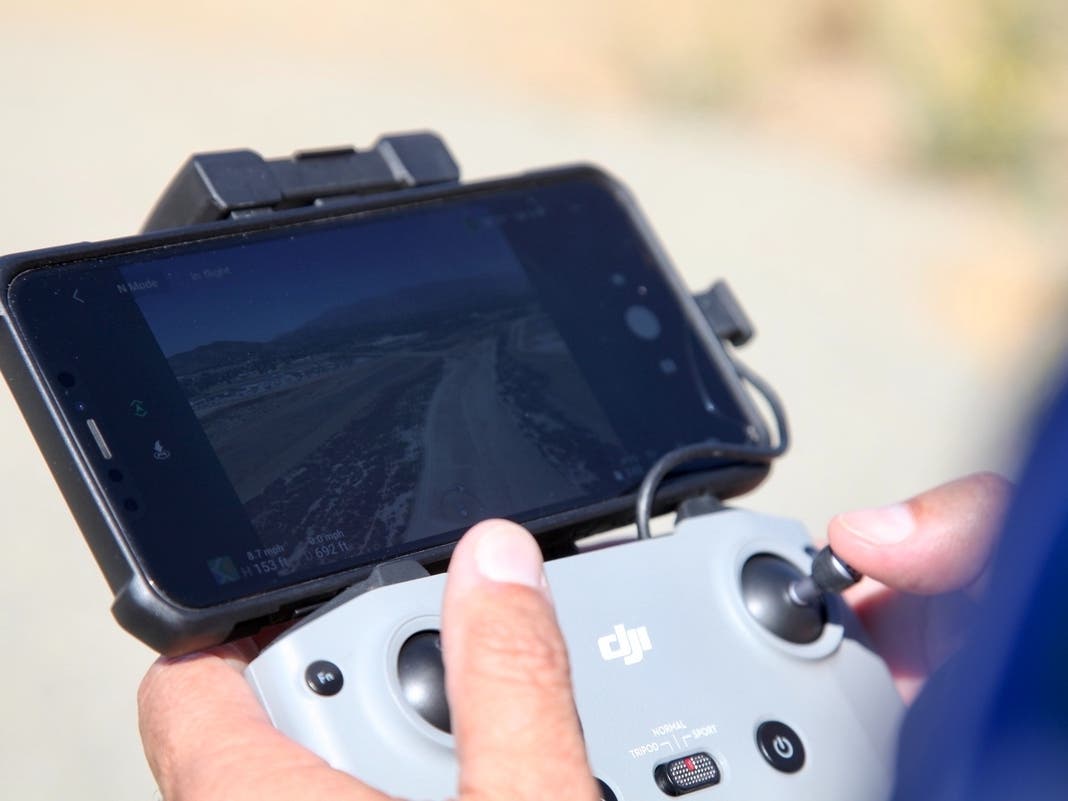
Robolink Launches Third Fleet of Ambassadors: Robolink announced the third cohort of its Ambassador Program — a nationwide community of educators bringing drones, robotics, coding, and STEM learning into classrooms from elementary through higher education. The program supports collaborative, future-ready learning experiences and is an example of industry-funded educator development initiatives expanding access to STEM tools.

EdTech Spotlight
AI PD Weeks (Computer Science Teachers Association)
- What it does: A structured professional development program delivering AI literacy training to K–12 computer science teachers nationwide.
- Best for: Middle and high school computer science educators; district-level PD coordinators
- Standout feature: Backed by $11 million in dedicated funding, this isn't a one-off webinar — CSTA's program offers sustained, cohort-based learning that gives teachers practical tools to bring AI instruction into their classrooms.
FIRST LEGO League (FLL) Spring Showdown
- What it does: A competitive robotics program for K–12 students that challenges teams to design, build, and program LEGO-based robots to solve real-world problems.
- Best for: Elementary through middle school (with divisions for different age groups); after-school and extracurricular STEM programs
- Standout feature: The Spring Showdown format adds a mid-year competitive milestone that keeps student engagement and skill-building going beyond the fall season — and demonstrated strong results in Coronado Unified this week.
Classroom Ideas
-
AI Career Day Discussion: Following news of the CSTA's $11M AI PD initiative, invite students to research and present one real-world job that uses AI (e.g., medical imaging analyst, logistics optimizer, content moderator). Have them explain what the AI does and what the human does — sparking conversation about human-machine collaboration.
-
Mini Robotics Showcase: Inspired by Berkeley's professional networking robotics showcase, have students design and present a 3-minute "pitch" of their robotics or coding project to a panel of outside guests (parents, local business representatives, or community members) — building presentation and professional communication skills alongside STEM content.
-
Robot Challenge Design Sprint: Modeled after the Philippine DepEd's Robotics Challenge Unlimited announcement, challenge student teams to define their own "robotics problem statement" — identifying a real community challenge (e.g., sorting recyclables, navigating a ramp) and designing a prototype solution using available materials or a coding platform.
What to Watch Next Week
- CSTA AI PD Weeks launch details: Watch for registration windows and pilot school announcements as the $11M program moves from announcement to implementation — key for districts planning summer PD.
- FLL Spring Showdown state-level results: With regional competitions wrapping up, results from other districts should emerge — a good moment to benchmark your own school's robotics program against peers.
- USD Shiley STEM Building construction updates: As one of the most high-profile new STEM facility investments of 2026, progress on this project may signal broader capital investment trends in higher-ed STEM infrastructure.
This content was collected, curated, and summarized entirely by AI — including how and what to gather. It may contain inaccuracies. Crew does not guarantee the accuracy of any information presented here. Always verify facts on your own before acting on them. Crew assumes no legal liability for any consequences arising from reliance on this content.
Powered by
