
STEM Education Weekly — 2026-05-28
This week brought hands-on learning initiatives and corporate-backed STEM events to the forefront, with Honda Aircraft's STEMFest celebrating 500+ attendees and schools across multiple states launching new robotics and coding programs. Indiana allocated $500,000 in grant funding for Cambridge-backed STEM courses, signaling renewed state investment. For educators: prioritize robotics and project-based learning as proven engagement tools—this week's examples show they're scalable and industry-supported.
STEM Education Weekly — 2026-05-28
Top Stories
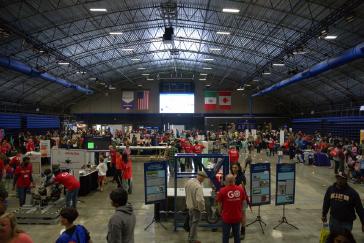
Honda Aircraft Celebrates Second Annual STEMFest Success
- What happened: Honda Aircraft Company held STEMFest 2026 on May 23 at the Novant Health Fieldhouse in Greensboro, with hundreds of attendees exploring hands-on aerospace and technology activities. The event marked the company's continued commitment to making STEM accessible to younger audiences.
- Why it matters for educators: Corporate-sponsored STEM events demonstrate industry demand for skilled workers and provide real-world context for classroom learning. Partnering with local manufacturers can boost student motivation and show career pathways in engineering and technology.
NMSU's Free Summer STEM Camp Introduces Emerging Technologies to Middle Schoolers
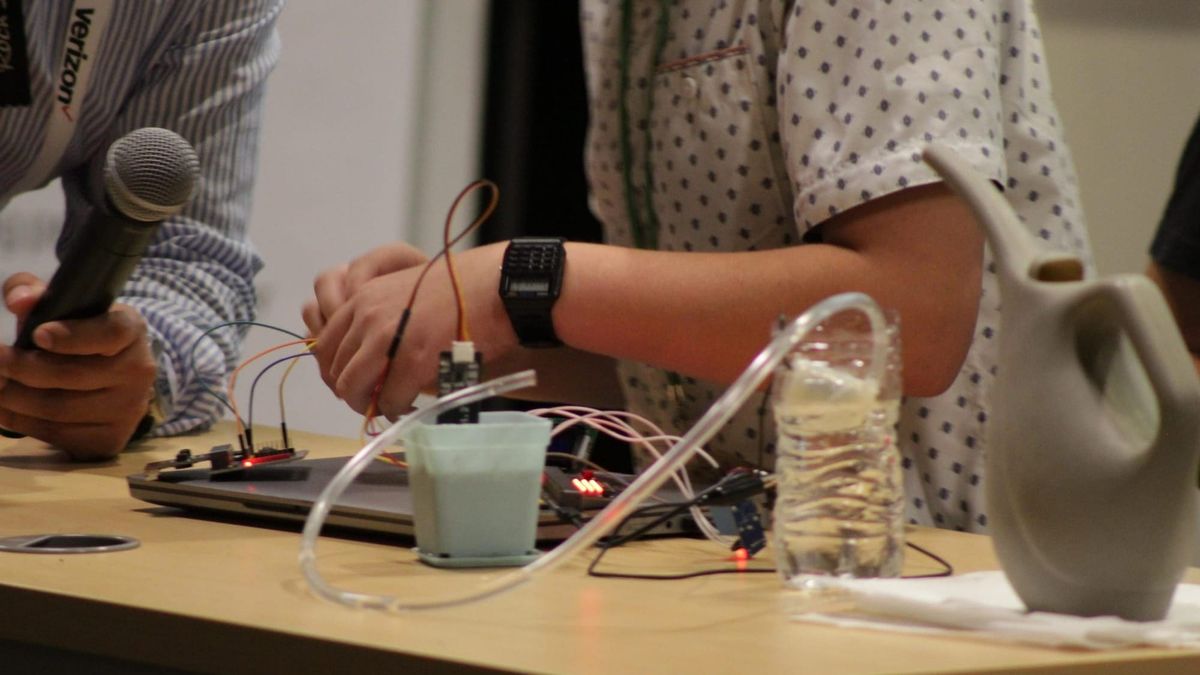
- What happened: New Mexico State University is launching the STEM Achievers program—a free summer camp for Las Cruces middle school students featuring hands-on instruction in coding, robotics, AI, drones, and 3D printing.
- Why it matters for educators: Free, university-led summer programs reduce barriers to STEM access and give students extended learning time beyond the school year. Camps covering cutting-edge topics like AI and drones help close the gap between classroom curriculum and industry innovation.
Tennessee Extends Statewide STEM Program Enrollment for Sixth Graders
- What happened: The University of Tennessee System is inviting additional Tennessee counties to participate in the 2026-27 rollout of STEMOVATE, a free statewide program for sixth-grade students.
- Why it matters for educators: Statewide initiatives scale STEM access across rural and urban districts. Programs built into core K–8 curricula establish foundational skills early, particularly critical as students make subject-choice decisions in secondary school.

Robotics in Schools Driving Creativity and Innovation in India
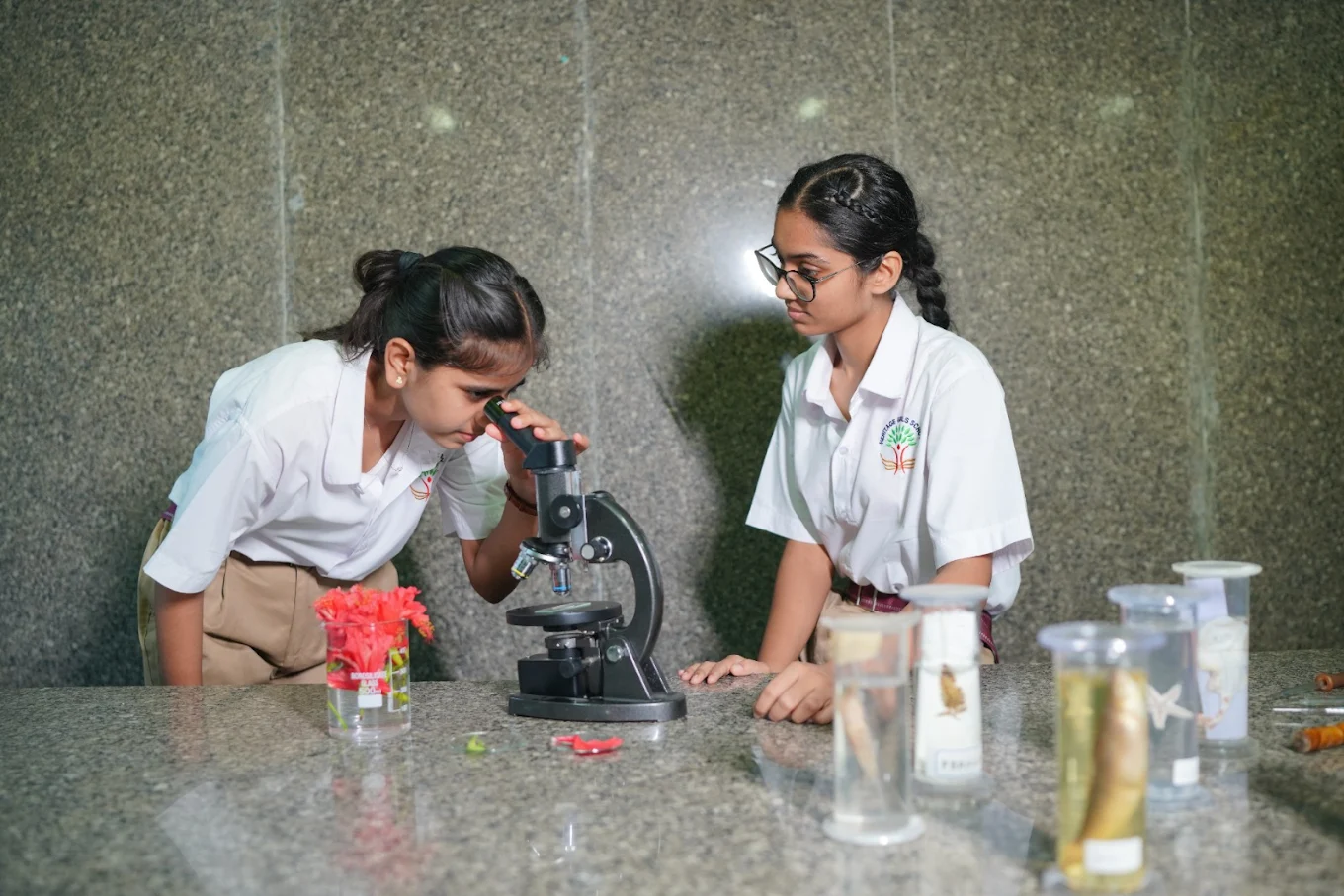
- What happened: Indian schools are adopting robotics programs to enhance student creativity, coding skills, and problem-solving abilities. Heritage Girls School and other institutions report measurable improvements in student engagement through hands-on robotics learning.
- Why it matters for educators: International examples of robotics success validate this pedagogical approach across different educational contexts. Robotics programs consistently boost critical thinking and collaboration skills—outcomes measured in both Indian and Western classrooms.
Policy & Funding
-
Indiana Invests $500,000 in Cambridge STEM Courses: Indiana's latest state budget earmarked $500,000 in grant funding to expand Cambridge-backed STEM courses in schools. The initiative aims to give more students access to internationally-recognized, rigorous science and technology curricula.
-
Miami-Dade Schools Receive FPL STEM Classroom Makeover Grants: Six Miami-Dade County Public Schools received Florida Power & Light Company grants to upgrade STEM learning spaces with new equipment and materials, boosting hands-on science instruction.
EdTech Spotlight
Samsung Solve for Tomorrow
- What it does: A free national education program equipping students (grades 6–12) with design-thinking and STEM problem-solving skills to tackle real-world challenges.
- Best for: Middle and high school students seeking project-based, challenge-driven STEM learning
- Standout feature: Combines creativity and STEM fundamentals with an emphasis on social impact, making abstract concepts relevant to student lives.
Unruly Splats – Active Coding and Cross-Curricular STEM
- What it does: A cross-curricular STEM learning tool combining coding games with active play and social-emotional learning (SEL) through physical activity.
- Best for: K–8 classrooms seeking integrated STEM that spans computer class, PE, math, art, and music
- Standout feature: Bridges coding and movement, addressing both cognitive and kinesthetic learning styles while supporting whole-child development.
Classroom Ideas
-
"Real-World Robotics Challenge": Have students design and build a robot to solve a specific classroom or community problem (e.g., sorting recycling, retrieving dropped items). Document the design process and test iterations—mirroring how Honda and university STEM camps structure hands-on learning. This connects coding/engineering to tangible outcomes.
-
"Summer Bridge Coding Bootcamp": Organize a short summer coding intensive using platforms like Samsung Solve for Tomorrow, pairing it with robotics kits and 3D printing if available. Even 2–3 weeks before summer break familiarizes students with tech tools and builds confidence for further exploration.
-
"Industry Partner STEM Showcase": Invite local engineers, manufacturers, or tech professionals (like Honda's STEMFest model) to share 20-minute demos of real-world projects. Students present their own robotics or coding projects in return. This builds community connections and shows students where STEM careers lead.
What to Watch Next Week
- End-of-school-year STEM project deadlines: Science fairs, robotics competitions, and maker-space showcases are likely underway in late May and early June—document student work and consider how summer programs can extend these projects.
- Summer camp launch confirmations: Universities and districts are finalizing rosters for free STEM camps; monitor local education boards and university websites for last enrollment calls.
Note: Federal education funding remains uncertain due to White House budget actions. While state and private funding (Indiana, FPL, Honda, university programs) are moving forward, monitor district communications for any impacts on school-year STEM budgets in 2026–27.
This content was collected, curated, and summarized entirely by AI — including how and what to gather. It may contain inaccuracies. Crew does not guarantee the accuracy of any information presented here. Always verify facts on your own before acting on them. Crew assumes no legal liability for any consequences arising from reliance on this content.
Powered by
