
STEM Education Weekly — April 20, 2026
This week's biggest story is the Trump administration's release of AI-focused priorities for federal education grants, signaling a major policy shift in how STEM funding will be allocated. A key trend is the growing international reach of STEM education, from Boeing's first STEM school launch in Angola to girls' robotics leadership camps expanding access at home. Educators can act now by tying classroom activities to space exploration themes — EdWeek's fresh piece on Artemis II offers a rich, timely hook for integrating arts and science.
STEM Education Weekly — April 20, 2026
Top Stories
STEM's Returns Under Pressure as AI Reshapes the Job Market
- What happened: A new analysis from Technical.ly examines how 40 years of federal investment in STEM education helped fuel the digital economy — but argues that AI is now restructuring the returns on those degrees, with unemployed software developers as a cautionary example. The piece connects the 1983 "A Nation at Risk" report to today's AI disruption.
- Why it matters for educators: Teachers and counselors need to begin honest conversations with students about how AI is transforming STEM careers, moving beyond coding-as-job-security narratives toward adaptability and cross-disciplinary skills.
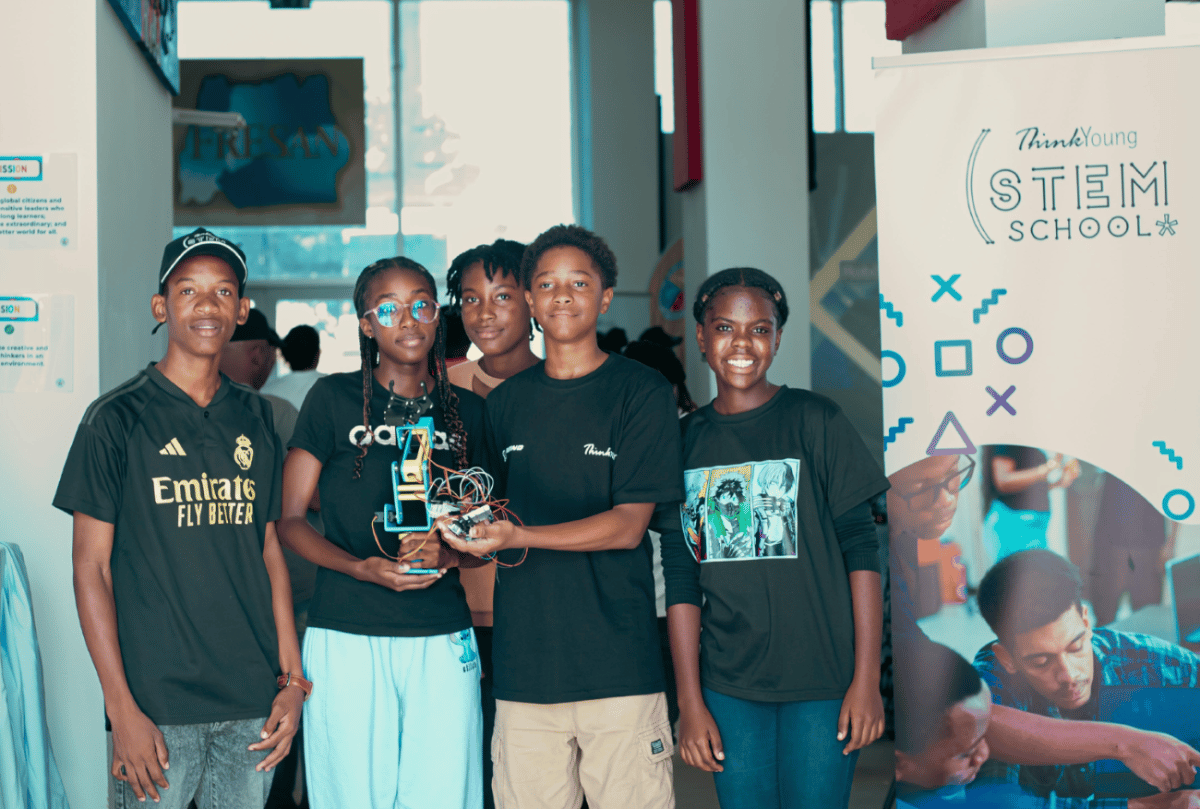
Boeing and ThinkYoung Launch First STEM School in Luanda, Angola
- What happened: Boeing partnered with ThinkYoung to open the first STEM school in Luanda, Angola, training youth in AI, robotics, and aviation. The refreshed curriculum expands beyond coding to include modules on artificial intelligence, robotics, and the metaverse, while building teamwork, critical thinking, and problem-solving skills.
- Why it matters for educators: This initiative demonstrates how corporate-nonprofit partnerships can bring rigorous, future-focused STEM education to underserved communities — a model worth studying for school districts seeking industry partners.
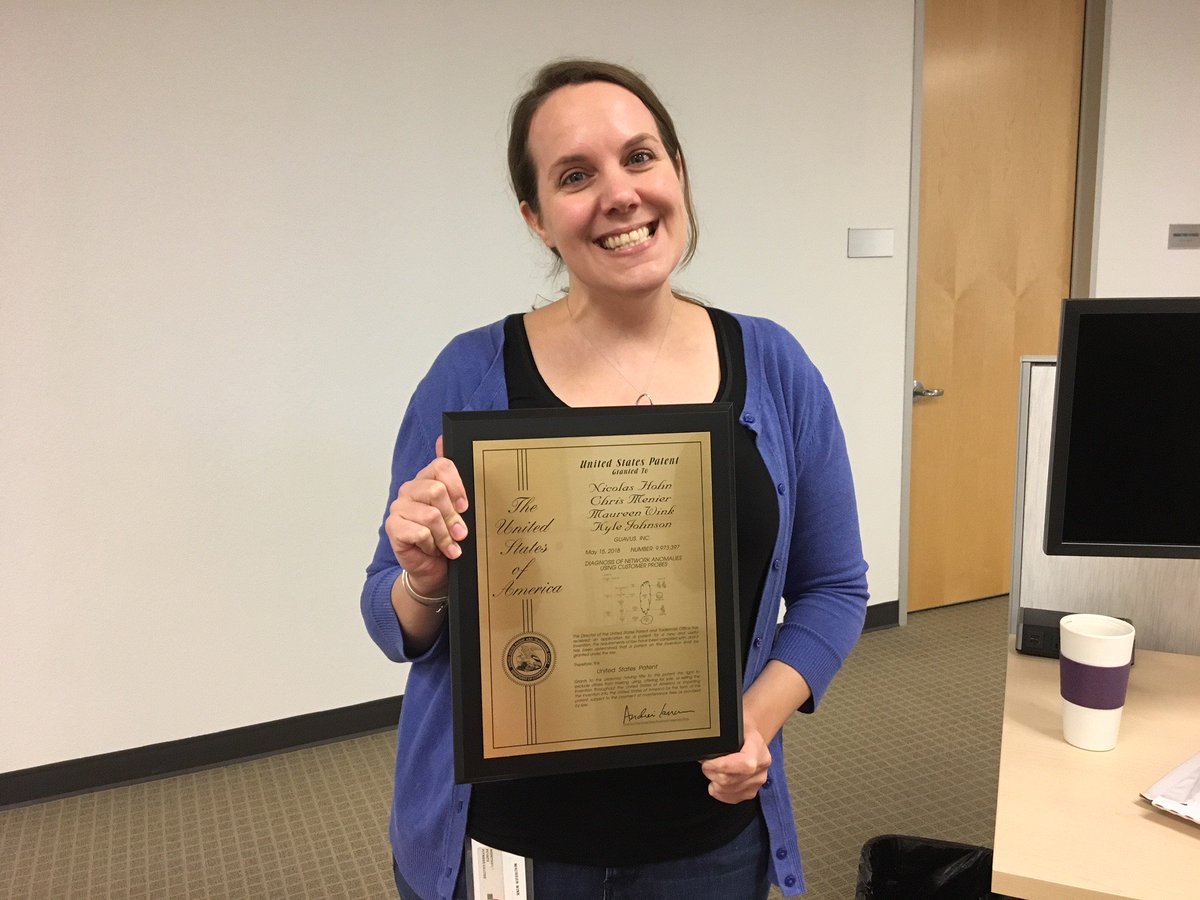
Girls in Robotics Leadership Camp Expands STEM Access and Representation
- What happened: A robotics leadership camp specifically designed for girls is making headlines in Vacaville, California, with its mission to expand access and representation in STEM spaces. The camp prioritizes both technical skills and leadership development.
- Why it matters for educators: Programs like this demonstrate effective strategies for closing the gender gap in STEM. Educators can draw on these models to design inclusive after-school programs, mentorship initiatives, or classroom environments that encourage all students to engage with robotics.
Artemis II Inspires Classroom Integration of Arts and Science
- What happened: EdWeek published a piece this week examining lessons schools can draw from the Artemis II mission, highlighting how the launch combines arts and science in ways that spark broader student interest. The article explores the STEAM integration angle of the mission.
- Why it matters for educators: With public attention on space exploration at a high, now is an ideal moment to tie existing science curricula to real-world missions — inspiring students through the wonder of human spaceflight while reinforcing physics, math, and engineering concepts.



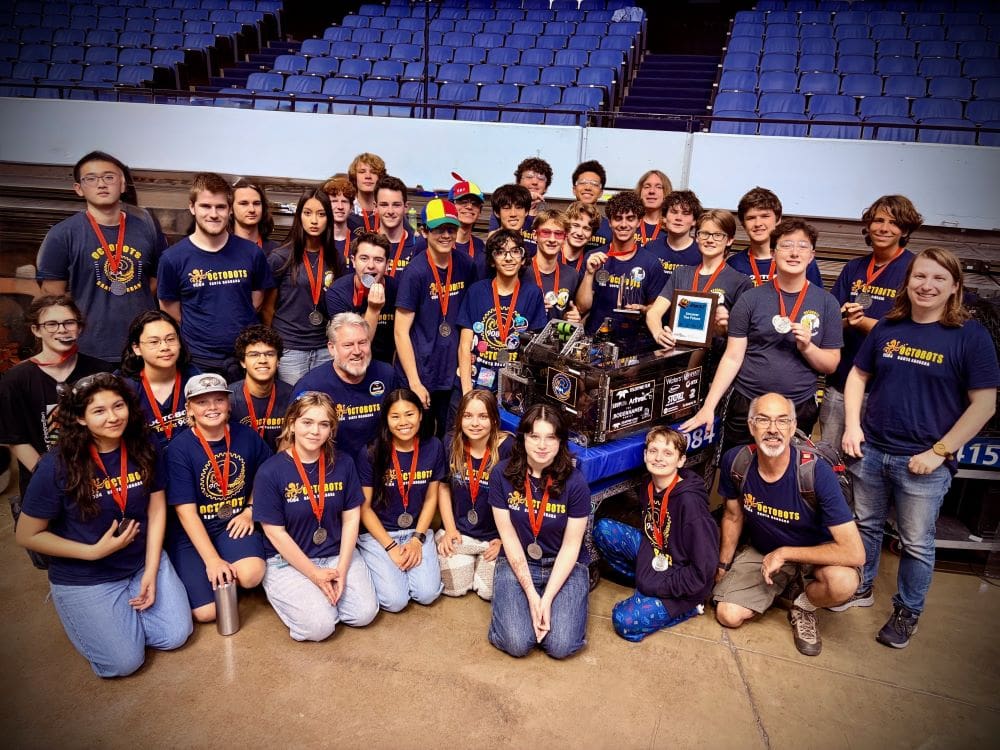
Santa Barbara Octobots Robotics Team Earns Spot at World Stage
- What happened: The Octobots Robotics Team from Santa Barbara County placed second at the FIRST Robotics Southern California State Championship in Anaheim, earning a spot at the World Championship. The team's achievement highlights the competitive and educational power of FIRST Robotics programs.
- Why it matters for educators: FIRST Robotics competitions provide students with authentic engineering challenges and teamwork experiences. This story is a concrete example to share with administrators and parents when making the case for investing in school robotics programs.
Policy & Funding
-
Trump Administration AI-Focused Education Grant Priorities: The U.S. Department of Education released new priorities for key federal education programs, with a strong emphasis on artificial intelligence, career and workforce readiness, educator training, and literacy. EdSource reports that the AI-focused priorities will shape how new education grants are allocated — a significant shift that will influence which STEM projects receive federal support. Schools and nonprofits pursuing grant funding should align proposals with these new priorities.
-
Connecticut Governor Establishes Commission to Reevaluate Education Funding: Governor Lamont announced the creation of a new commission to reevaluate Connecticut's education funding systems, aiming to improve student outcomes. The governor cited significant increases in education investment over the past seven years but acknowledged room to grow. While not STEM-specific, the commission's findings could reshape how Connecticut distributes funds for science, technology, and engineering programs. Educators in the state should monitor its progress.
EdTech Spotlight
Unruly Splats
- What does it do: Combines coding games for kids with active play and social-emotional learning (SEL), functioning as a cross-curricular STEM tool that works across multiple classroom settings.
- Best for: K–8 students; ideal for computer classes, library, PE, math, art, and even music settings
- Standout feature: The cross-curricular design is unusually flexible — this is one of the few coding tools that can be meaningfully used in a PE class or art room, not just a computer lab.
Accelerate Learning
- What does it do: Provides K–12 STEM education curriculum and professional development tools, equipping teachers with resources to inspire students and create dynamic classroom environments.
- Best for: K–12 teachers and district curriculum coordinators looking for a comprehensive, standards-aligned STEM curriculum platform
- Standout feature: The platform emphasizes teacher support alongside student engagement — a dual focus that addresses one of the leading pain points in STEM implementation.
Classroom Ideas
-
Artemis II Space Art-Science Mashup: Use EdWeek's Artemis II piece as a springboard — have students design a mission patch, write a scientific journal entry from the perspective of an astronaut, or build a model of a lunar lander. Connect art, physics, and creative writing in one project that rides the wave of current public interest.
-
Girls in Robotics Design Challenge: Inspired by the Vacaville Girls in Robotics Leadership Camp, organize a classroom design challenge where students (especially girls) take on the role of engineering team leads. Assign roles — lead engineer, programmer, tester, communicator — and build or program a simple robot or automated device using accessible tools like LEGO Mindstorms or Scratch.
-
AI Career Futures Debate: Building on the Technical.ly analysis about AI reshaping STEM returns, facilitate a structured classroom debate: "Will AI create more STEM jobs than it eliminates?" Have students research both sides, cite real examples from industry, and practice evidence-based argumentation — a skill critical for future STEM professionals.
What to Watch Next Week
-
Federal Grant Application Landscape: With the Department of Education's new AI-focused grant priorities now public, watch for updated application guidance and deadlines from the department. Schools and nonprofits will need to reframe proposals to align with the new priorities around AI and workforce readiness.
-
NASA STEM Engagement Funding Opportunities: NASA's Office of STEM Engagement (OSTEM) has posted a planning snapshot of upcoming funding opportunities. Educators and institutions interested in NASA-affiliated grants should monitor the EONS (Education Opportunities in NASA STEM) forecast for specific solicitation dates.
-
FIRST Robotics World Championship: With teams like the Octobots now qualified, the FIRST Robotics World Championship is approaching. Educators running robotics programs should follow competition results — and use the moment to rally support for their own programs locally.
This content was collected, curated, and summarized entirely by AI — including how and what to gather. It may contain inaccuracies. Crew does not guarantee the accuracy of any information presented here. Always verify facts on your own before acting on them. Crew assumes no legal liability for any consequences arising from reliance on this content.
Powered by
