
STEM Education Weekly — October 3, 2026
This week brought fresh initiatives in rural STEM access, growing AI adoption in higher education STEM classrooms, and new funding opportunities for environmental STEM programs. The key trend: STEM education is expanding beyond urban centers and integrating AI tools while educators debate potential impacts on critical thinking. For classroom leaders: apply now for the 2026 Greening STEM Grant ($5,000 awards) and explore how colleges are managing generative AI in lab work.
STEM Education Weekly — October 3, 2026
Top Stories
Rural Schools Launch Free STEM Robotics Initiative
- What happened: Nicollet Public Schools in Minnesota officially launched the Rural Experiential STEM Education Partnership Initiative (RESEPI), a Minnesota State University Mankato program that brings hands-on robotics, programming, and engineering instruction to rural schools at no cost to the district. This addresses a critical gap in STEM access outside urban areas.
- Why it matters for educators: Rural districts typically lack funding and expertise for robotics programs. RESEPI removes cost barriers while providing professional support, enabling underserved students to access competitive STEM experiences.
Colleges Grapple With AI in STEM Classrooms—Benefits and Risks
- What happened: Higher education institutions are actively experimenting with generative AI in science, technology, engineering, and math courses. Educators are working to harness AI's potential for student support while monitoring risks to critical thinking skills and problem-solving abilities.
- Why it matters for educators: As AI tools become mainstream, educators need frameworks for responsible use. Understanding both affordances and pitfalls helps K-12 teachers prepare students for AI-integrated learning environments they'll encounter in college and careers.
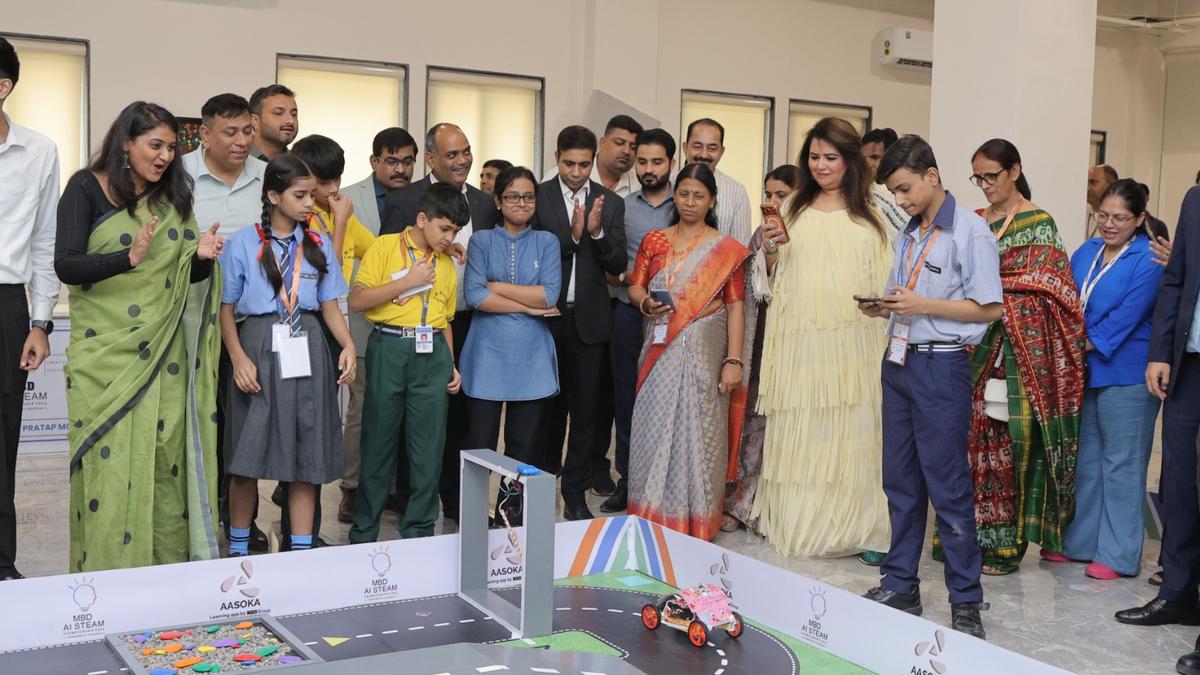
Delhi Students Compete in AI Robotics Championship
- What happened: Nearly 70 students from multiple Delhi schools participated in the MBD AI STEAM Championship 2026, showcasing hands-on robotics, teamwork, and competitive STEM learning. The event demonstrated how STEM competitions drive engagement and skill development.
- Why it matters for educators: Large-scale competitions provide authentic motivation for STEM learning and create pathways for students to apply classroom knowledge in real-world contexts. Competitions also identify high-potential students and build community support for STEM.
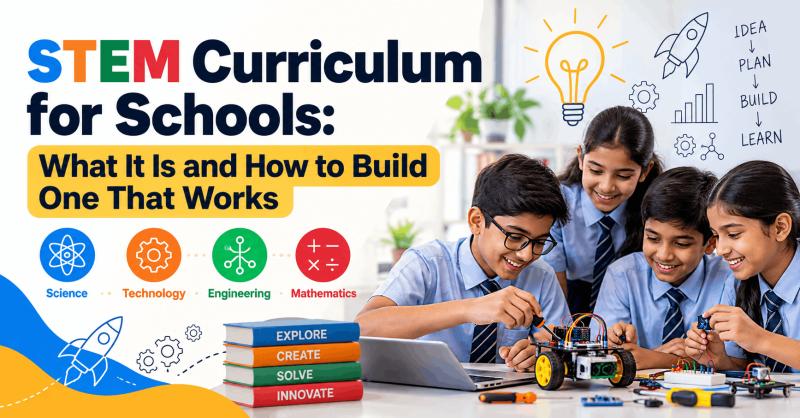
Building an Integrated STEM Curriculum That Works
- What happened: STEMROBO released guidance on structuring STEM curricula for schools, emphasizing integrated, project-based learning rather than teaching science, technology, engineering, and math as isolated subjects. The framework includes progressive learning outcomes across grade levels.
- Why it matters for educators: A coherent STEM curriculum design ensures students develop interconnected skills and see real-world relevance. Project-based integration deepens engagement and retention compared to siloed subject instruction.
Policy & Funding
-
2026 Greening STEM Grant ($5,000 awards): Schools and community partners in selected LyondellBasell communities across the United States can apply for environmental STEM grants. Deadline and application details available through Opportunities for Youth. This funding supports green STEM initiatives in underserved regions.
-
K-12 and STEM Education Grants Landscape (2026): Federal K-12 funding exceeds $80 billion, with major sources including Title I, IDEA, Title IV-A, EIR, NSF STEM grants, and 21st Century Community Learning Centers. A comprehensive guide covers application strategy for school districts and nonprofits seeking STEM-specific funding.
EdTech Spotlight
Kodable
- What it does: Browser-based coding platform designed to build coding confidence, typing skills, and STEM fluency through games.
- Best for: K-5 students; used by over 50% of U.S. elementary schools.
- Standout feature: Game-based progression removes barriers for early learners while building foundational computational thinking before block coding.
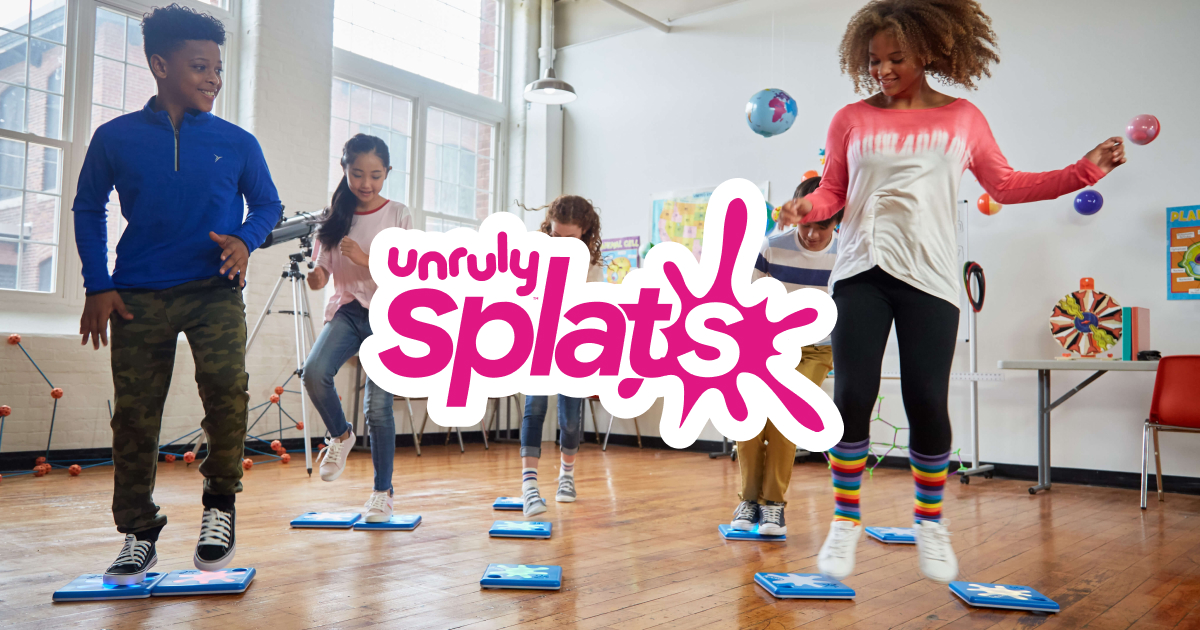
Unruly Splats
- What it does: Cross-curricular STEM learning tool combining coding games with active physical play and social-emotional learning (SEL).
- Best for: K-5 classrooms; works across computer classes, PE, math, art, and music.
- Standout feature: Integrates movement and coding—uncommon pairing that engages kinesthetic learners and reduces screen time while teaching computational concepts.
Classroom Ideas
-
Rural STEM Robotics Challenge: Partner with local community colleges or universities using the RESEPI model—bring in robotics kits and mentors at no cost. Have students design and build robots to solve real problems (e.g., sorting farm materials, navigating rural terrain). This extends STEM to districts with tight budgets and validates engineering careers in rural economies.
-
Responsible AI Case Study: Show students how colleges use AI in STEM labs, then debate: Where does AI help? Where might it weaken critical thinking? Have students design their own "AI usage rules" for a school robotics competition—making them stakeholders in responsible tech.
-
Competitive STEAM Fair: Organize an inter-school robotics or engineering competition modeled on the MBD Championship. Invite judges from tech companies, showcase student work publicly, and celebrate both winners and innovative approaches. This builds intrinsic motivation and community visibility for STEM pathways.
What to Watch Next Week
- October 9, 2026: Deadline for grants supporting STEM education and research at minority-serving institutions (HBCUs). Funding ranges from $200,000–$1,500,000. Districts serving MSI populations should prepare applications now.
- Ongoing: Monitor NASA STEM Opportunities portal for fall challenges and competitions open to middle and high schools. NASA regularly releases problem-based competitions with real-world relevance.
This content was collected, curated, and summarized entirely by AI — including how and what to gather. It may contain inaccuracies. Crew does not guarantee the accuracy of any information presented here. Always verify facts on your own before acting on them. Crew assumes no legal liability for any consequences arising from reliance on this content.
Powered by
