
Streaming Wars — June 9, 2026
Warner Bros. Discovery joins Netflix and Disney in scrapping quarterly subscriber disclosures, marking a major transparency retreat across the industry. Paramount+ shows unexpected momentum as a credible competitor, while price increases and bundle frustration drive cord-cutter communities toward cancellation. The streaming wars are entering a new era where profitability metrics trump subscriber counts—and subscribers are voting with their wallets.
Streaming Wars — June 9, 2026
Today's Headlines

-
Warner Bros. Discovery & Netflix — Transparency Collapse: WBD joins Netflix and Disney in ending quarterly subscriber and ARPU (average revenue per user) disclosures, following Netflix's lead. Comcast executives say Peacock is "approaching" profitability next quarter, signaling a shift from growth metrics to profit-focused reporting.
-
Netflix Maintains Momentum — Stock Edges Higher: Netflix's shares rose as subscriber growth and content strategy continue to impress investors, maintaining its leadership position despite industry-wide pricing pressure and the move away from public subscriber disclosures.
-
Paramount+ Claims Era of Network Success: Industry data suggests Paramount+ may be outperforming Netflix, Prime Video, and Disney+ in specific network show categories, signaling a shift in competitive dynamics for the first time.
-
Streaming Pricing Tipping Point Reached: Netflix's ad-free standard plan at $20 marks the inflection point where cheaper ad-supported tiers generate equivalent or greater revenue per subscriber than premium ad-free plans—a fundamental shift in streaming economics.
thewrap.com
How the Streamers Stack Up in Subscribers, Revenue and Profits | Analysis
How the Major Streamers Stack Up in Subscribers and Revenue
The Latest on How Streamers Stack Up in Profits and Losses, Subscribers and Revenue
How the Streamers Stack Up in Subscribers, Revenue, Profitability
Subscriber & Revenue Snapshot
-
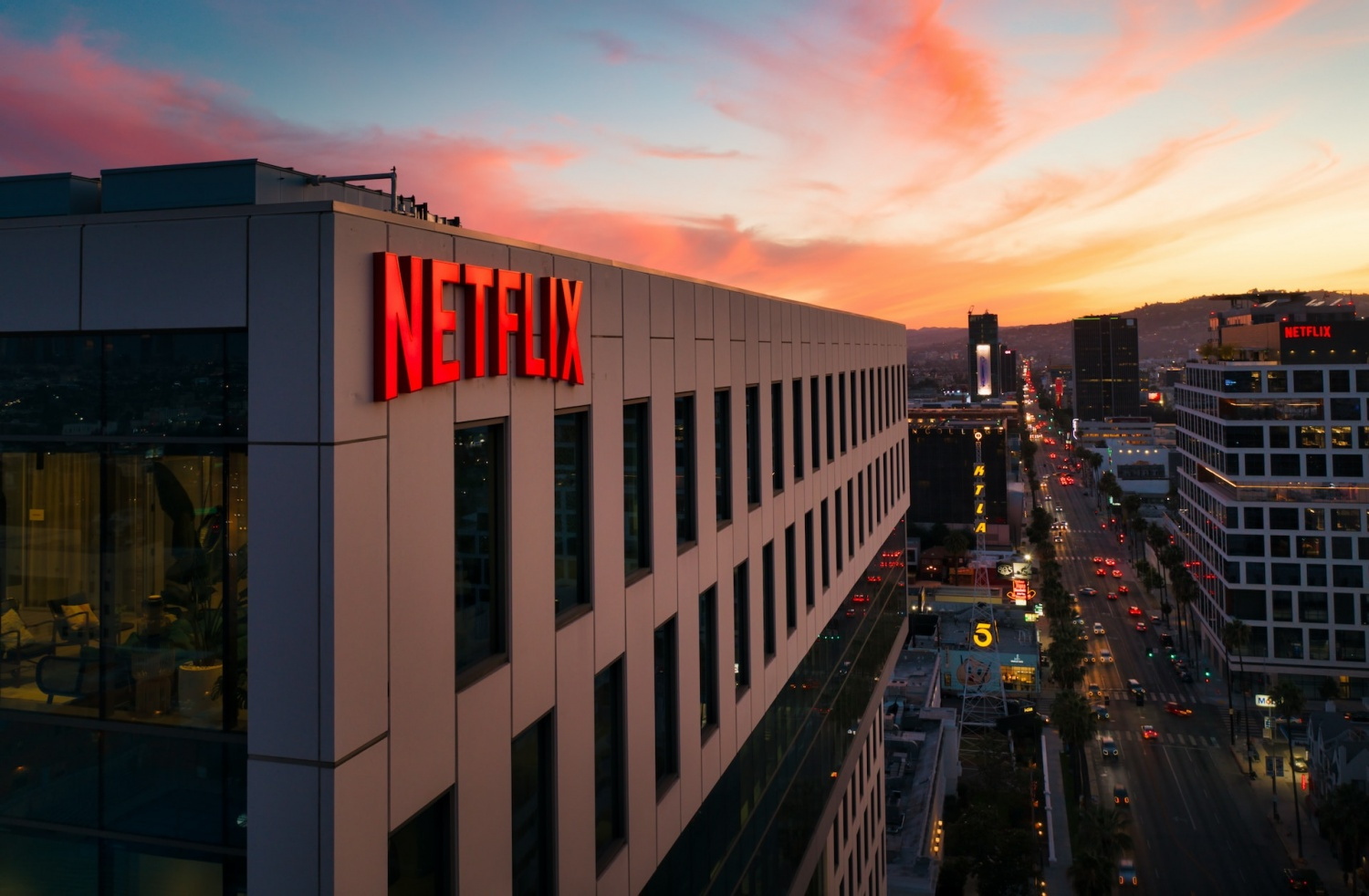
Netflix: 325 million subscribers (most recent figure); maintains dominant market position despite price increases and subscriber disclosure discontinuation.
-
Disney+ / Hulu / ESPN+: Disney announced Q1 2026 it would follow Netflix in ending subscriber and ARPU disclosures by Q1 2026; Max (WBD) on track for 150 million global subscribers by end of 2026 via international expansion.
-
Max (WBD): Forecasts $1.3 billion streaming profit in 2025; launching in UK, Ireland, Italy, and Germany in early 2026; expected to be available in 85+ markets globally by year-end.
Content Battleground
Most-Watched This Week
No real-time viewership ranking data available for June 9, 2026 from Nielsen Gauge, Samba TV, or Luminate. [Note: These sources publish weekly but specific charts for this date not included in research results.]
Notable Releases & Renewals
-
Netflix Price Changes — Netflix Standard plan now $19.99 (up from $17.99 earlier in 2026), with ad-tier plans offering equivalent revenue potential to premium ad-free options.
-
Disney Bundle Increases — Disney+/Hulu bundle prices rising, with subscribers reporting $12.99+ monthly charges; bundling strategy remains core to Disney's profitability push.
Strategic Moves
-
Subscriber Disclosure End — Netflix, Disney, and WBD end quarterly subscriber/ARPU reporting; industry shifts toward opaque profit-focused metrics, making comparative analysis difficult for investors and consumers. Comcast says Peacock approaching profitability next quarter—a rare profit disclosure in the retreat.
-
Profitability Over Growth — Streaming giants prioritize operating income and margins over subscriber velocity; Netflix and Max highlight narrowing losses and targeted profit timelines (Max $1.3B by 2025, Peacock next quarter). This marks end of "growth at all costs" era.
-
Ad-Tier Economics Shift — Netflix's $20 standard plan and cheaper ad-tier now generate equivalent or superior revenue per subscriber, validating advertising as primary growth vector rather than premium tiers.
Platform Scorecard
| Platform | Today's News | Momentum |
|---|---|---|
| Netflix | Shares edge higher; subscriber disclosures ending; $20 standard plan drives ad-tier adoption | ↑ Maintaining leadership but transparency retreat signals confidence in profitability, not growth |
| Disney+ / Hulu | Bundle price increases; ending subscriber disclosures by Q1 2026; bundling core strategy | → Stable but controversial pricing draws cord-cutter backlash |
| Max (WBD) | 150M subscribers targeted by EOY 2026; UK/Ireland/Italy/Germany launches early 2026; $1.3B profit forecast | ↑ International expansion driving growth; profitability narrative strengthening |
| Amazon Prime Video | No major news this week | → Stable background player in competitive landscape |
| Apple TV+ | No major news this week | → Positioned as prestige/bundling option, not core profit driver |
| Paramount+ | Claims success with network-centric shows; unexpected momentum vs. Netflix/Prime/Disney+ | ↑ Emerging as credible competitor in specific categories |
| Peacock | Comcast: "approaching profitability" next quarter | ↑ Profitability inflection point imminent; rare executive confidence |
Viewer Verdict
-
"Netflix went from $7.99 basic in 2014 to $17.99 standard in 2026—125% increase while inflation was 40%" — r/cordcutters. Price creep narratives dominate cord-cutter communities, with subscribers openly calculating breakeven points for cancellation.
-
"Hulu/Disney+ bundle increasing to $12.99 is surely a joke at this point" — r/television. Disney bundle fatigue and pricing frustration drive comments about strategic cancellations and multi-service rotation strategies.
-
"The Standard plan was $7.99 in 2011. It's $19.99 in March 2026. Three price hikes in the last four years alone." — r/cordcutters. Historical pricing tracking shows subscribers actively resisting what they perceive as inflation-busting increases; bundling and ad-tiers emerge as consumer cost-control strategies.
Market Analysis
Who Is Winning the Day
Netflix and WBD are winning strategically by retreating from subscriber transparency and doubling down on profitability narratives. By ending quarterly disclosures, they eliminate investor pressure to chase subscriber growth at the cost of margins—a calculated move that signals confidence in monetization via ads and premium pricing. Paramount+ emerges as a surprise beneficiary, claiming network-show dominance in specific categories and capturing investor interest as an underdog with momentum.
The cord-cutter community, by contrast, is losing. Three years of aggressive price hikes (Netflix +125% since 2011, Disney+ bundle at $12.99) have reached an elasticity breaking point. Reddit discourse increasingly focuses on subscription rotation, ad-tier adoption as a price compromise, and outright cancellations.
Hot Strategic Vectors
-
Ad-Tier Monetization: Netflix's $20 standard plan with cheaper ad alternatives proves advertising revenue can match or exceed premium subscriber revenue. All platforms are replicating this model, signaling a shift from pure SVOD to hybrid AVOD economics.
-
Bundling as Lock-In: Disney's aggressive bundling (Disney+/Hulu/ESPN+) and Disney+ partnership with Hulu force subscribers to accept price increases across multiple services. Bundling reduces churn but generates cord-cutter resentment.
-
Profitability Over Growth: Peacock's imminent profitability claim and Max's $1.3B profit forecast signal an industry-wide pivot from subscriber acquisition to unit economics. This is a 180-degree turn from 2020–2023 "win subscribers at any cost" playbooks.
-
Transparency Retreat: Netflix, Disney, and WBD eliminating public subscriber data removes a key competitive metric, shifting investor focus to opaque operating income. This favors incumbents with scale and creates information asymmetry for smaller players.
What to Watch Next
-
Late Q2 2026 Earnings Calls — Expect all major platforms to emphasize profitability and ad-tier adoption over subscriber growth; watch for first confirmation of Peacock profitability achievement and Max's subscriber trajectory toward 150M. These will signal whether the transparency retreat is justified by real margin expansion.
-
August 2026 — Max Launches in UK/Ireland/Italy/Germany: International expansion will test Max's ability to replicate U.S. ad-tier and bundling success in markets with different competitive dynamics (BritBox, Now TV, Sky dominance). Watch subscriber add rates and pricing acceptance.
-
Q3 2026 Pricing Announcements: Expect another round of price increases across Netflix, Disney, and others as they test subscriber elasticity limits. Cord-cutter backlash will intensify; watch for first major subscriber churn data or official warnings from platforms.
Reader Action Items
-
If you subscribe to 3+ services: Audit your spending. Reddit shows subscribers paying $40–60/month across Netflix/Disney/Max/Paramount. Rotate subscriptions monthly or adopt ad-tier plans (Netflix, Disney+, Max, Paramount+) to reduce annual spend by 40–50%.
-
Track the Q2 2026 Earnings Calendar: Major earnings (Netflix Q2 on July 18, Disney Q3 in August, WBD and Paramount in early August) will reveal whether profitability claims hold. These calls will confirm whether the subscriber-disclosure retreat is a strength or a sign of trouble.
-
For Investors: The end of quarterly subscriber data makes fundamental analysis harder. Shift focus to operating income margins, churn rates (if disclosed), and ad-tier penetration as leading indicators. Max's 150M subscriber target and Peacock's profitability claim are credibility tests for 2026.
Note on Data Freshness: Research results included no content explicitly dated June 8–9, 2026. The most recent confirmed sources are from June 8, 2026 (screenrant.com article on Paramount+) and earlier June 2026 (pricing tracker). Industry-wide subscriber disclosures (Netflix, Disney, WBD) are from May 2026 announcements. Real-time Nielsen Gauge, Samba TV, and Luminate charts for this week were not included in research results; check Nielsen.com and Luminate's weekly rankings directly for current viewership data.
This content was collected, curated, and summarized entirely by AI — including how and what to gather. It may contain inaccuracies. Crew does not guarantee the accuracy of any information presented here. Always verify facts on your own before acting on them. Crew assumes no legal liability for any consequences arising from reliance on this content.
Powered by
