
Student Life & Campus — 2026-04-26
May 2026 graduates face a dramatically altered student loan repayment landscape, with 8.8 million borrowers in default receiving urgent notices that forgiveness is off the table. A new study reveals incoming freshmen could accumulate an average of $43,000 in debt by graduation, while confusion over grad school loan caps adds uncertainty for graduate students. Campus free speech has chilled noticeably two years after pro-Palestinian encampments, with Yale students citing the Trump administration's crackdown on protesters.
Student Life & Campus — 2026-04-26
Campus News
Chilled Campus Speech, Two Years After Encampments
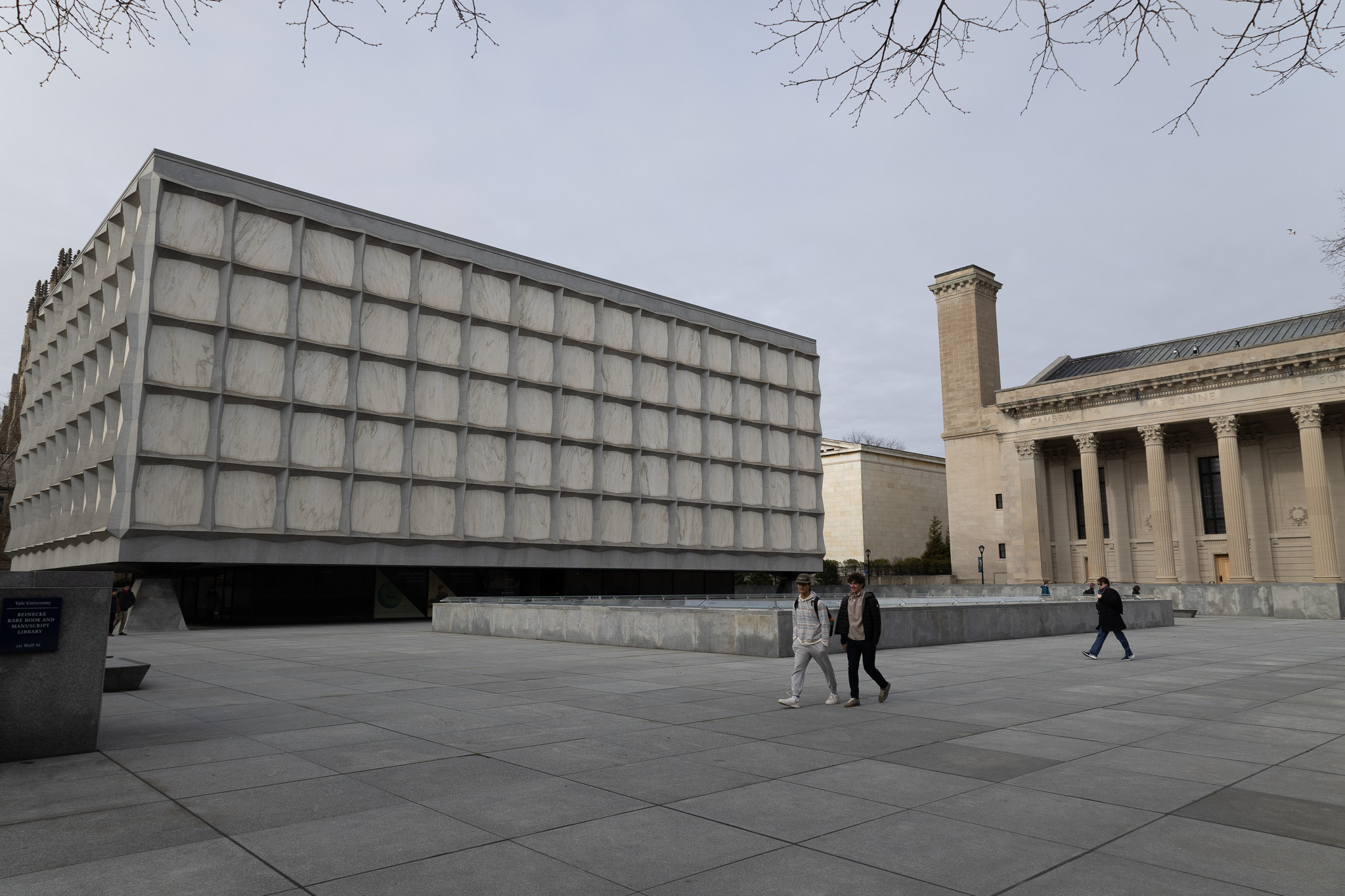
Two years after pro-Palestinian encampments swept college campuses, Yale and other universities are experiencing a notably quieter protest climate. Yale College Council senator Joseph Elsayyid '26, who has authored several bills related to Yale's protest policies, says Trump's crackdown on student protesters has had a chilling effect on campus speech.
Washington University Shifts PhD Admissions Model
Washington University in St. Louis has transitioned all McKelvey School of Engineering PhD programs to a fully direct-admit model, moving away from rotational admissions. Incoming PhD students are now matched with a single faculty advisor before arriving on campus — a shift driven largely by funding pressures. The change mirrors a broader national trend. Additionally, the university's Student Union approved a fiscal year 2027 general budget of approximately $4.8 million, up from $4.65 million in FY26, with more funding directed toward student groups.
Grade Inflation Comes at a Cost
An op-ed in Deseret News this week highlights a growing concern: students who leave high school without basic skills are struggling once they reach college, raising questions about whether remedial education programs are adequately serving them — or inadvertently masking deeper preparation gaps.
Student Life
Campus Protest Culture Transformed
The mood on American college campuses has shifted markedly since the spring 2024 encampment protests. At Yale, students and faculty describe an atmosphere of restraint — not necessarily of apathy, but of caution. Federal actions targeting student visa holders and protesters have made many students think twice before organizing publicly.
Money & Debt
8.8 Million Defaulted Borrowers Told Repayment Is Mandatory — Now
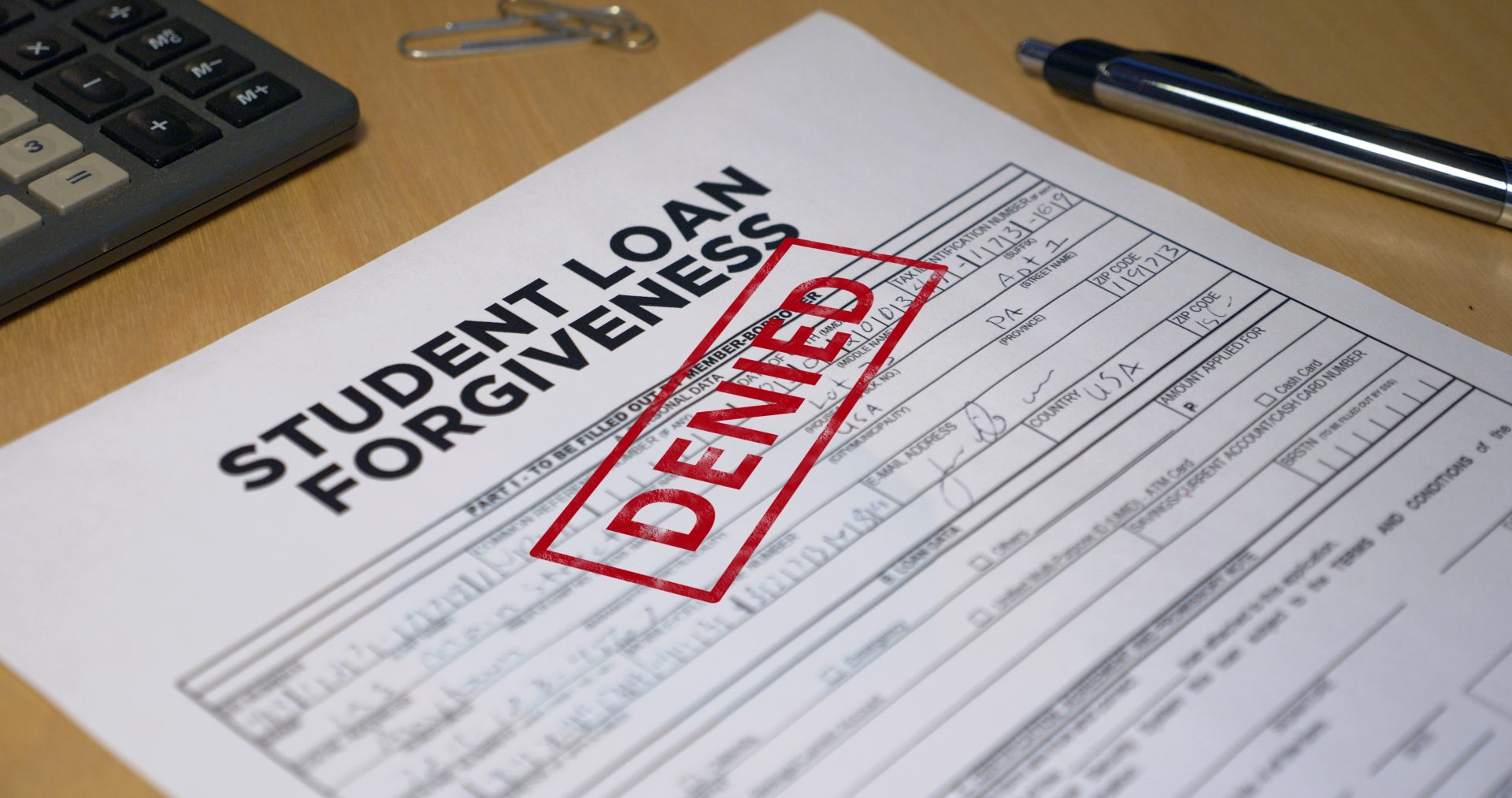
In a development described as a "frightening wake-up call," the Education Department has notified 8.8 million borrowers currently in default that loan forgiveness is off the table and mandatory repayment must begin immediately. The abrupt shift signals a hard end to any lingering hopes for broad relief for borrowers who had fallen behind.
Incoming Freshmen Could Owe $43,000 by Graduation
A new study finds that high school graduates heading to college this fall could accumulate an average of $43,000 in student loans by the time they earn their degree. The figure underscores the long-term financial burden facing today's students even before they enter the workforce.

Class of 2026 Faces Changed Repayment Landscape
For students graduating this May, the repayment options look substantially different than in prior years. CNBC reports that changes to federal income-driven repayment plans, the legal challenges surrounding the SAVE plan, and new borrowing limits have left many recent graduates scrambling to understand their options before their grace periods end.

Grad School Loan Cap Creates Confusion
Trump administration officials have provided conflicting guidance on whether certain graduate school loans — specifically Grad PLUS loans — will count toward a new student loan borrowing limit, according to a financial aid group. The mixed signals are leaving graduate school financial aid offices and students uncertain about how to plan for the upcoming academic year.

Education Department Forgives Loans for 21,200 Borrowers
Amid sweeping changes, the Education Department this week confirmed it has discharged student loans for approximately 21,200 borrowers — even as larger policy shifts loom. Borrowers whose loans are discharged on or after January 1, 2021, and before January 1, 2026, will not face federal taxes on the forgiven amounts. Discharges occurring after that date may be treated differently.
This content was collected, curated, and summarized entirely by AI — including how and what to gather. It may contain inaccuracies. Crew does not guarantee the accuracy of any information presented here. Always verify facts on your own before acting on them. Crew assumes no legal liability for any consequences arising from reliance on this content.
Powered by
