
Student Life & Campus — 2026-09-07
As the Fall 2026 semester begins, higher education institutions are navigating significant operational disruptions caused by new federal student loan regulations. Colleges are struggling to disburse aid due to system updates required by the One Big Beautiful Bill Act, leading to delayed payments for students. Meanwhile, campus culture remains tense as institutions implement new "Campus Reform Pledges" and grapple with the fallout from federal crackdowns on DEI programs and visa revocations.
Student Life & Campus — 2026-09-07
Campus News
The start of the Fall 2026 semester has been marked by administrative chaos at many U.S. colleges, primarily driven by the implementation of new federal student loan rules that took effect on July 1, 2026. The Hechinger Report highlights that federal student loan disbursements for many students were significantly delayed over the summer session because the new rules required major updates to the financial aid systems colleges use. Experts are now concerned that these disbursement delays will persist into the fall semester that is currently underway, leaving students without necessary funds for tuition and living expenses.
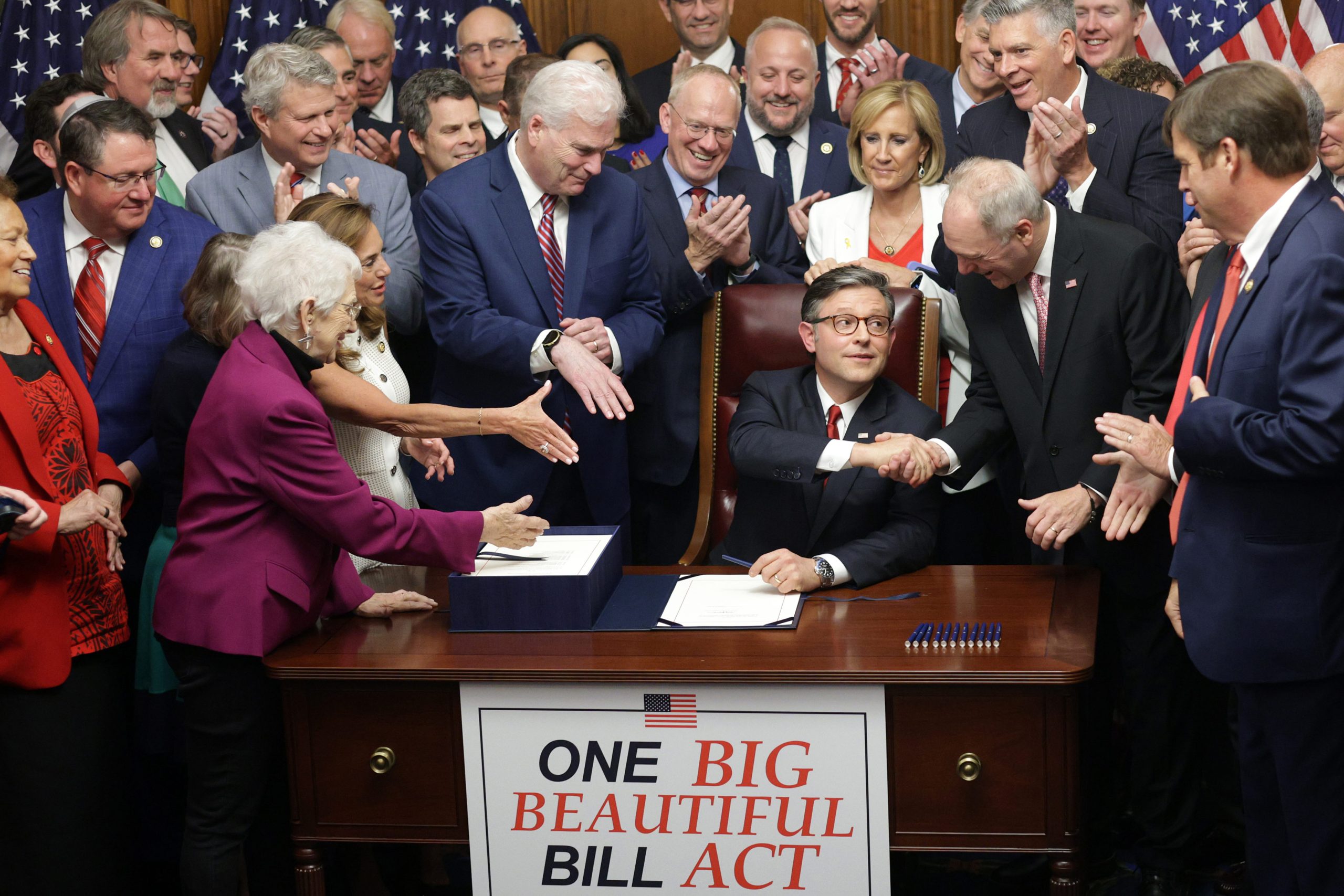
In addition to financial aid logistics, admissions trends are shifting due to enrollment declines and college closures. AcceptanceRate.com reports that a drop of approximately 500,000 students in the national pool is affecting acceptance rates and financial aid offers for the 2026 application cycle. Institutions are adjusting their strategies to remain competitive, with some colleges becoming "safer" bets for applicants as they lower barriers to entry to maintain enrollment numbers.

Student Life
Campus culture is being reshaped by political pressures and new institutional pledges. The "Campus Reform Pledge" is gaining traction among conservative-aligned groups and some administrators, aiming to reshape college admissions, tuition structures, and protest policies. This movement encourages applicants to ask specific questions about free speech protections and ideological neutrality before committing to a university.

Broader federal actions continue to influence campus life. The Trump administration’s "higher education crackdown," which includes visa revocations, bans on Diversity, Equity, and Inclusion (DEI) programs, and funding cuts, remains a dominant topic in national news. While this article was published earlier in the year, its effects are actively felt during the current admissions cycle and international student intake, with 37% of students reporting that federal DEI limitations have impacted their campus experience as of August.
Money & Debt
The most critical financial story for current students is the immediate impact of the One Big Beautiful Bill Act (OBBBA) on borrowing limits and repayment plans. New federal student loan caps took effect on July 1, 2026, significantly limiting borrowing for graduate, professional, and parent borrowers. These changes have created a "ticking timebomb" for graduates, particularly in the UK where analysis shows the cost of higher education falls overwhelmingly on individuals, but similar pressures are mounting in the US as federal support contracts.

For borrowers, the landscape of repayment options has narrowed dramatically. The dramatic reduction in available income-driven repayment plans means that many borrowers must switch to valid repayment plans before July 1, 2028, to retain eligibility for forgiveness. Harvard University’s financial services office notes that borrowers with no new loans after July 1, 2026, can stay on old plans, but everyone else faces stricter caps and new repayment structures.
Additionally, the private university debt crisis is expanding globally. In India, families betting savings on private universities are facing frustration as a shortage of well-paying jobs turns educational investments into debt traps, a trend mirroring concerns about ROI in the US market.
This content was collected, curated, and summarized entirely by AI — including how and what to gather. It may contain inaccuracies. Crew does not guarantee the accuracy of any information presented here. Always verify facts on your own before acting on them. Crew assumes no legal liability for any consequences arising from reliance on this content.
Powered by
