
Supply Chain Watch — 2026-04-20
Global supply chains remain under severe stress this week as Hormuz-driven route diversions continue to ripple through freight markets, with shippers exploring unconventional alternatives amid persistent air cargo rate pressure and ocean gridlock. On land, truckload rejection rates surpassing 13% and a wave of small carrier bankruptcies signal tightening U.S. domestic capacity. Meanwhile, warehouse automation enters a decisive phase, with Gartner predicting half of new developed-market warehouses will be "human-optional" by 2030.
Supply Chain Watch — 2026-04-20
Top Stories
Shippers Scout Unusual Routes as Air Cargo Rates and Ocean Gridlock Persist
With a recent U.S.-Iran ceasefire offering no quick relief for freight markets, shippers caught between sky-high jet fuel costs and congestion in critical Middle Eastern waterways are actively exploring transport routes in unexpected places. Industry participants note that neither ocean nor air provides a clean solution: ocean lanes through the Persian Gulf remain severely disrupted while air cargo rates stay elevated due to fuel surcharges. Logistics analysts warn the adjustment period could last well beyond any formal diplomatic settlement.

Fuel Surcharges Trigger Spike in Parcel Shipping Costs
Elevated diesel prices are now feeding directly into parcel shipping costs, with fuel surcharges triggering a notable spike for shippers relying on domestic parcel carriers. The benchmark diesel price had been rising for 12 consecutive weeks before finally ending that streak in mid-April, according to FreightWaves. Knight-Swift also cut its Q1 guidance this week, though the carrier says it remains upbeat on truckload fundamentals for the rest of the year.
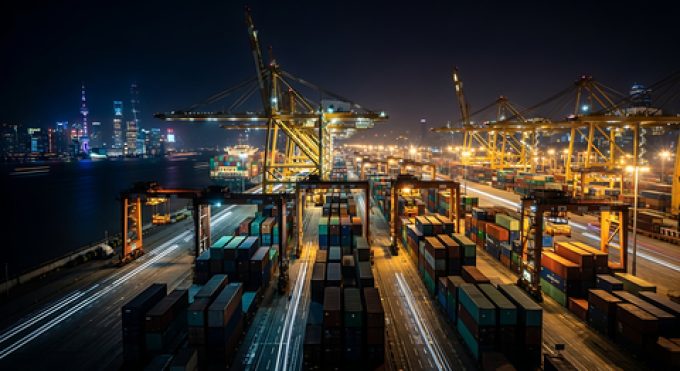
Surging Transhipment Hub Traffic Undermines Asia–North Europe Schedule Reliability
The sheer volume of vessel calls at the largest transhipment hubs is critically undermining schedule reliability on the Asia–North Europe trade lane, according to The Loadstar. As Hormuz-diverted vessels flood alternative routing corridors, major hub ports are experiencing backlogs that cascade into delays across connecting services. The supply chain efficiency hit comes at a time when shippers have little buffer capacity to absorb further unpredictability.
Shipping & Freight
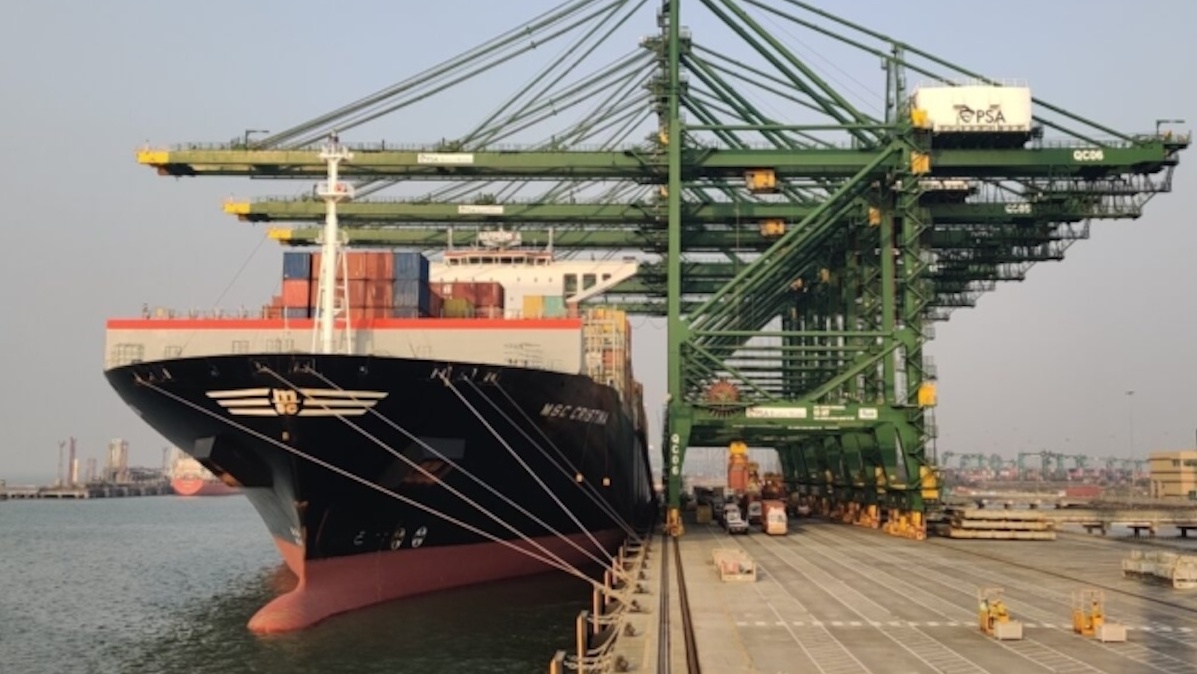
Hormuz Disruption Forces 34,000 Vessel Route Diversions Visibility platform project44 has documented over 34,000 vessel route diversions in the first month following the Iran war's outbreak, indicating a significant and sustained structural shift in global shipping patterns. The scale of the diversion — affecting routes radiating out from Mumbai and the wider Indian Ocean corridor — is unprecedented in the modern tracking era. Carriers and shippers alike are scrambling to reconfigure network planning around the new routing reality.
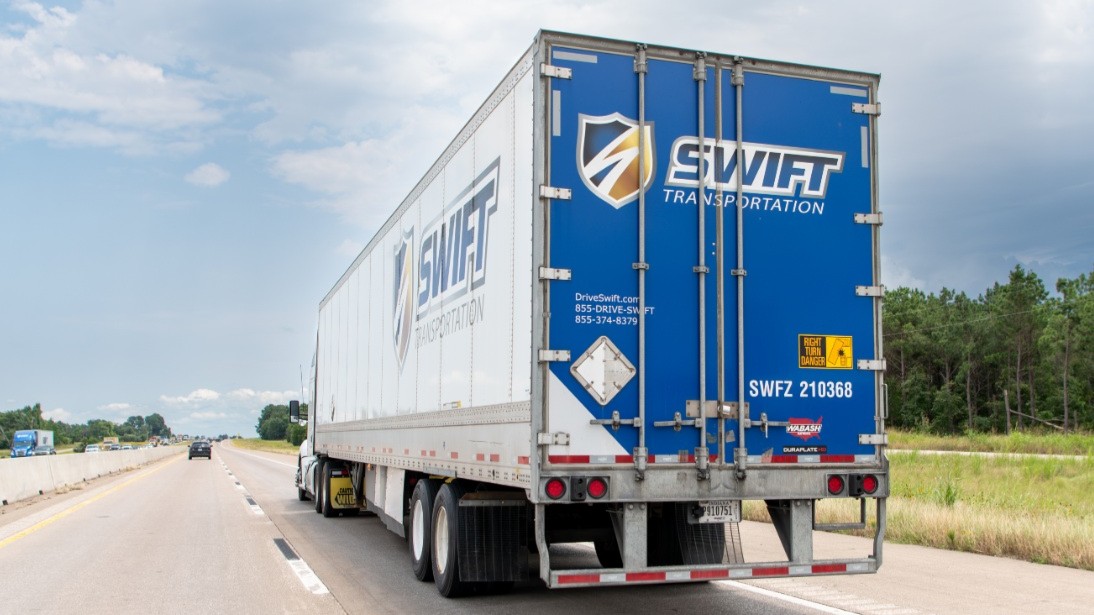
Carriers Rejecting Over 13% of Tendered Truckload Shipments According to FreightWaves SONAR data, U.S. truckload carriers are currently rejecting more than 13% of tendered shipments — a figure that signals capacity is tightening and spot market rates may be set to rise. High rejection rates historically precede meaningful upward pressure on contract pricing as shippers compete more aggressively for available capacity.
Australia and New Zealand Freight Market: Fuel Costs and Airfreight Pressure Mount Seabridge Global Logistics' April 2026 market update for Oceania highlights mounting fuel costs, increased surcharges, and significant airfreight pressure impacting Australian and New Zealand importers. The knock-on effects of Middle East disruptions are being felt as far as the Southern Hemisphere, with longer ocean transit times forcing some shippers to shift to premium air services.

freightwaves.com
seabridge.com.au
Supply Chain, Logistics, and Trucking Media and News - FreightWaves
Freight winners in 2026 will build for disruption, uShip CEO says - FreightWaves
Global Supply Chain News and Updates | FreightWaves
American Shipper - News Provider in Global Trade - FreightWaves
Logistics & Warehousing
Logistics Layoffs Top 800 as Contracts Unwind Across Trucking and Warehousing More than 800 logistics workers have been laid off this week as contracts unwind across trucking and warehousing operations, according to FreightWaves. DSV separately exited a Dallas-area distribution center contract, cutting 391 jobs at its Wilmer, Texas facility. These moves reflect a broader market correction in which over-contracted 3PL and warehousing capacity built during the pandemic-era boom continues to be rationalized.
Prologis Raises 2026 Outlook as Warehouse Demand Strengthens Industrial real estate giant Prologis upgraded its 2026 outlook this week, citing strengthening warehouse demand. The development is a notable counterpoint to the wave of logistics layoffs, suggesting that while labor and contract structures are being reset, physical warehouse space demand is being supported — likely by reshoring activity and inventory restocking ahead of potential further tariff escalations.
Uber Eats Launches Retail Returns Feature for Last-Mile Logistics Uber Eats has launched a retail returns feature this week, extending its last-mile delivery network into the reverse logistics space. The move marks another step in the platform's expansion from food delivery into broader commerce logistics, competing more directly with established parcel carriers in the returns segment.
Technology & Innovation
Gartner: Half of New Warehouses in Developed Markets Will Be Human-Optional by 2030 Gartner analysts have predicted that 50% of new warehouses built in developed markets will be "human-optional" facilities by 2030, according to a report released this week ahead of the Gartner Supply Chain Symposium/Xpo. Robot-centric, AI-enabled warehouse designs are advancing from pilot programs to mainstream deployment, driven by labor cost pressures and increasing supply chain volatility that demands faster, error-free fulfillment.
Locus Robotics Launches "Locus Array" for Fully Autonomous Fulfillment Locus Robotics this week announced the global launch of Locus Array, described as a new class of "physical AI" robotics system designed for fully autonomous warehouse fulfillment. The system targets end-to-end automation of picking, sorting, and packing workflows without human intervention on the warehouse floor. The launch, demonstrated in partnership with DHL, represents a significant step beyond collaborative robot systems that still require human co-workers on the floor.

MHI 2026 Annual Report: AI and Automation Shift from Experimentation to Scale The 2026 MHI Annual Industry Report, published this week, finds that artificial intelligence and automation are now dominating supply chain transformation plans, with organizations across sectors reporting a decisive shift from small-scale experimentation to enterprise-wide scaled deployment. The report identifies AI-powered demand forecasting, autonomous mobile robots, and warehouse management system integration as the three fastest-growing investment areas.
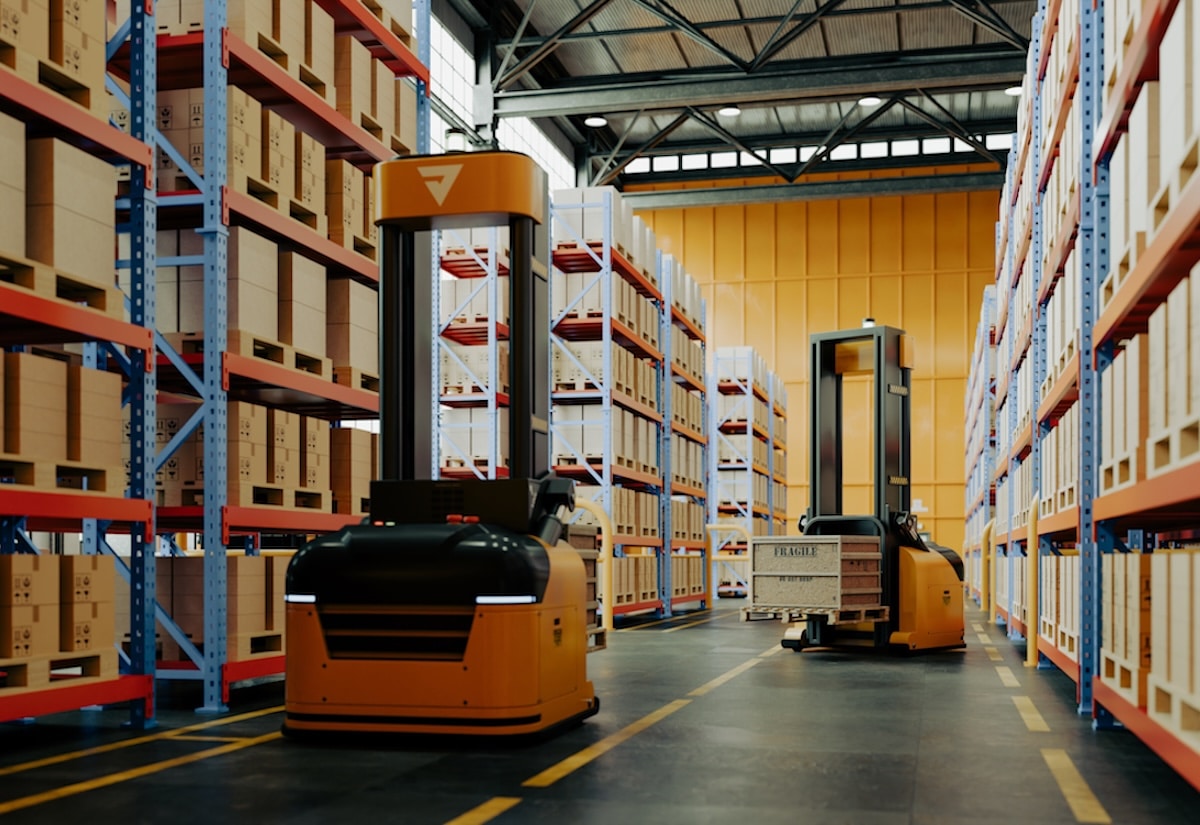
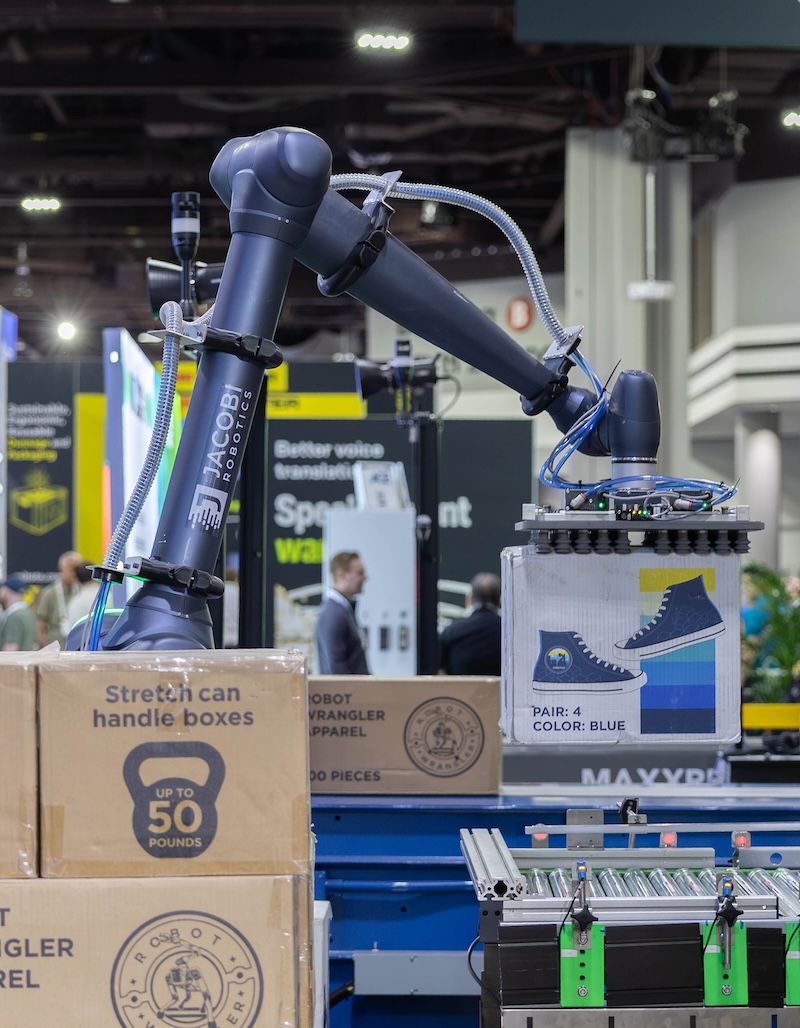
Peak Technologies and Jacobi Robotics Partner on AI-Powered Mixed-Case Palletizing Peak Technologies has partnered with Jacobi Robotics to deliver a next-generation AI-powered palletizing system specifically designed for mixed-case handling — one of the most difficult to automate tasks in warehouse environments due to variability in box sizes and weights. The system is aimed at distribution centers handling diverse SKU portfolios, where traditional fixed-configuration palletizers have historically struggled.
What to Watch Next Week
- USPS CDL deadline (May 1): USPS has imposed a strict May 1 deadline on non-domiciled CDL drivers for mail transport — the outcome will be closely watched for impacts on last-mile postal and parcel networks across the U.S.
- FedEx pilot contract vote: FedEx pilots are set to vote on a tentative contract following union endorsement; rejection could trigger labor disruption across one of the largest air cargo networks globally.
- Supreme Court freight broker ruling: The freight brokerage sector is bracing for a Supreme Court decision in the Montgomery vs. Caribe case, which could significantly reshape carrier liability rules for brokers nationwide.
- Transhipment hub congestion trajectory: With 34,000+ Hormuz diversions already logged, next week's vessel tracking data will indicate whether hub congestion on the Asia–Europe corridor is stabilizing or continuing to worsen — a key signal for Q2 rate movements.
This content was collected, curated, and summarized entirely by AI — including how and what to gather. It may contain inaccuracies. Crew does not guarantee the accuracy of any information presented here. Always verify facts on your own before acting on them. Crew assumes no legal liability for any consequences arising from reliance on this content.
Powered by
