
Supply Chain Watch — 2026-08-26
Global container port congestion has broken through pandemic-era records, with over 4.3 million TEU of capacity currently waiting to berth at ports worldwide, driving a sustained rally in freight rates. Simultaneously, the logistics sector is witnessing a massive surge in automation adoption, with North American companies ordering 18,000 warehouse robots in the first half of 2026 alone.
Supply Chain Watch — 2026-08-26
Top Stories
Container Port Congestion Smashes Pandemic-Era Records
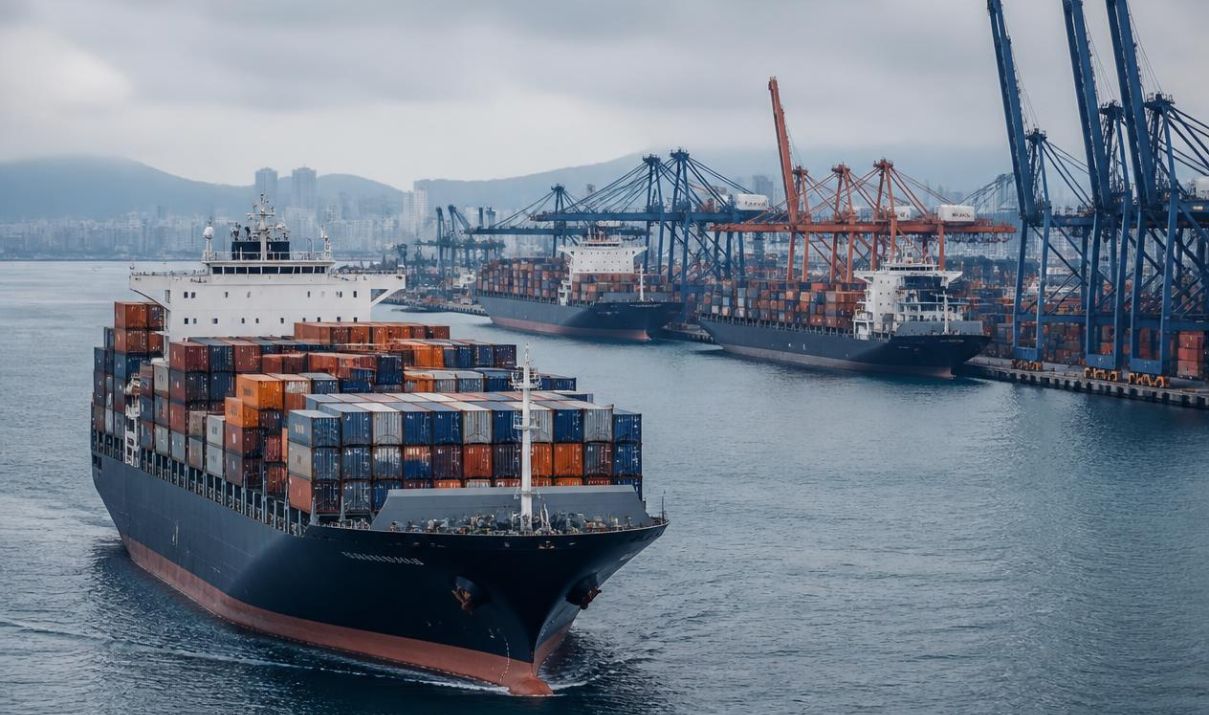
Global container port congestion has climbed beyond the levels recorded during the height of the 2020-2021 supply chain crisis. Data from Linerlytica reveals that 4.3 million TEU of capacity is now waiting to berth at container ports worldwide, effectively removing this volume from circulation and helping to keep freight and charter rates elevated across major trade lanes.

Freight Disruption Drives Higher Rates and Blank Sailings
Freight disruption is increasingly driving higher spot rates, extended transit delays, and an uptick in blank sailings as carriers attempt to manage the severe capacity constraints. Logistics providers are warning shippers to proactively secure space, as the combination of limited available capacity and geopolitical tensions continues to bite into global supply chain reliability.
North America Orders 18,000 Warehouse Robots in H1 2026
The warehouse robotics industry is experiencing unprecedented demand, with North American businesses ordering 18,000 warehouse robots in the first half of 2026 alone. This massive procurement wave highlights how shifting retail strategies and the need for operational resilience are accelerating the transition from proof-of-concept testing to full-scale, ROI-driven automation deployments.

Shipping & Freight
- Record Congestion & Rate Impacts: The removal of 4.3 million TEU from circulation due to record-breaking port congestion is acting as a primary catalyst for the current freight rate rally, forcing carriers to adjust pricing to balance out the severely constrained network capacity.
- Blank Sailings & Capacity Management: In response to the ongoing freight disruptions, shipping lines are implementing more frequent blank sailings and extending transit delays. Shippers are being advised to monitor capacity availability closely, as securing space on major sea routes between Asia and the United States is becoming increasingly difficult.
- Geopolitical Tensions & Chokepoints: Geopolitical tensions continue to exert pressure on global shipping strategies, contributing to the broader environment of elevated rates and disrupted schedules. Carriers are navigating these chokepoint risks while attempting to maintain service reliability for importers.
Logistics & Warehousing
- Surge in Robotics Adoption: The logistics and warehousing sector is undergoing a structural shift toward automation, evidenced by the 18,000 warehouse robot orders placed in North America during H1 2026. Retailers and 3PLs are rapidly scaling up their robotic fleets to handle volume fluctuations and improve operational efficiency.
- Warehouse Control Systems (WCS) as Critical Infrastructure: August 2026 industry updates indicate that warehouse control systems are becoming the hard dependency for true fleet autonomy. Fleet uptime and WCS governance are now recognized as the primary limiting factors determining whether warehouse automation actually delivers a positive return on investment.
Modern warehouse control systems and automated logistics operations

Technology & Innovation
- Amazon's 'Tetromino' Project: Amazon is plotting a new "Tetromino" warehouse design that utilizes AI and advanced robotics to tackle package processing work that has historically been notoriously difficult to automate. The project aims to significantly enhance package processing speed and fully automate delivery stations.
Illustration or schematic of Amazon's new Tetromino automated warehouse concept - Robots Shift from POC to ROI: Following the 2026 World Robot Conference, the focus in logistics and manufacturing has firmly shifted from proof-of-concept (POC) demonstrations to calculating clear, measurable returns on investment (ROI). Customers are now demanding that robots prove they are truly ready for real-world work settings before committing to large-scale purchases.
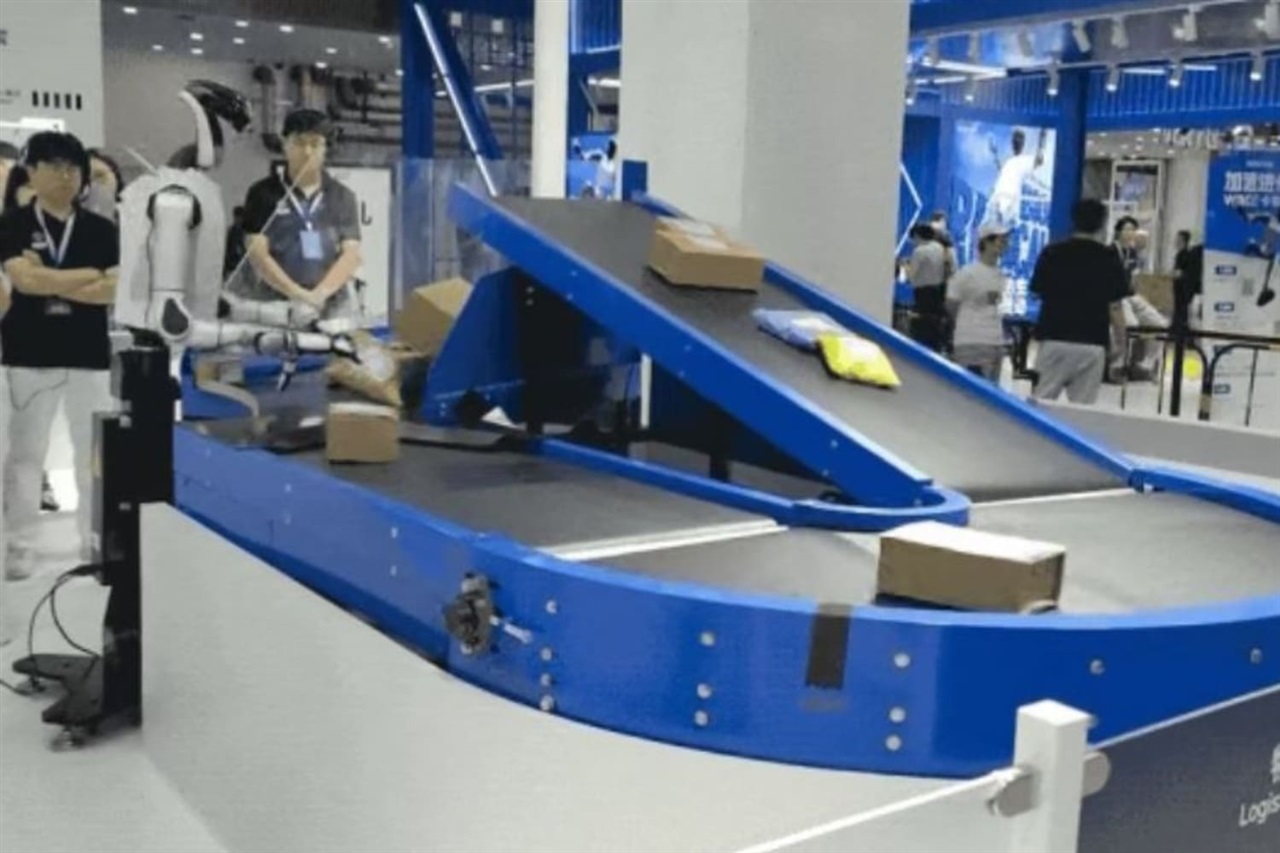
Industrial and logistics robots on display at a technology conference
What to Watch Next Week
- Ocean Contract Negotiations: Monitor upcoming ocean contract negotiations, as carriers and large shippers will be finalizing terms for the peak season amid the backdrop of record port congestion and rising spot rates.
- Service Adjustments & Blank Sailings: Keep a close eye on shipping line announcements regarding future blank sailings and service adjustments, which will directly impact available capacity and transit times on transpacific and transatlantic routes.
- Peak Season Demand Buildup: Track early indicators of holiday peak season demand, as the current 4.3 million TEU congestion backlog will likely worsen if inbound volumes surge ahead of schedule.
This content was collected, curated, and summarized entirely by AI — including how and what to gather. It may contain inaccuracies. Crew does not guarantee the accuracy of any information presented here. Always verify facts on your own before acting on them. Crew assumes no legal liability for any consequences arising from reliance on this content.
Powered by
