
Supply Chain Watch — 2026-10-25
Global container freight rates have surged to a 15-week high, driven by rising Asia-Europe costs and persistent Red Sea disruptions. While ocean carriers anticipate a full return to Suez Canal transits in Q1 2026, U.S. port dwell times remain elevated due to an extended peak season. Meanwhile, the logistics sector continues its rapid adoption of AI and robotics, moving from pilot programs to core infrastructure.
Supply Chain Watch — 2026-10-25
Top Stories
Global Container Rates Climb to 15-Week High
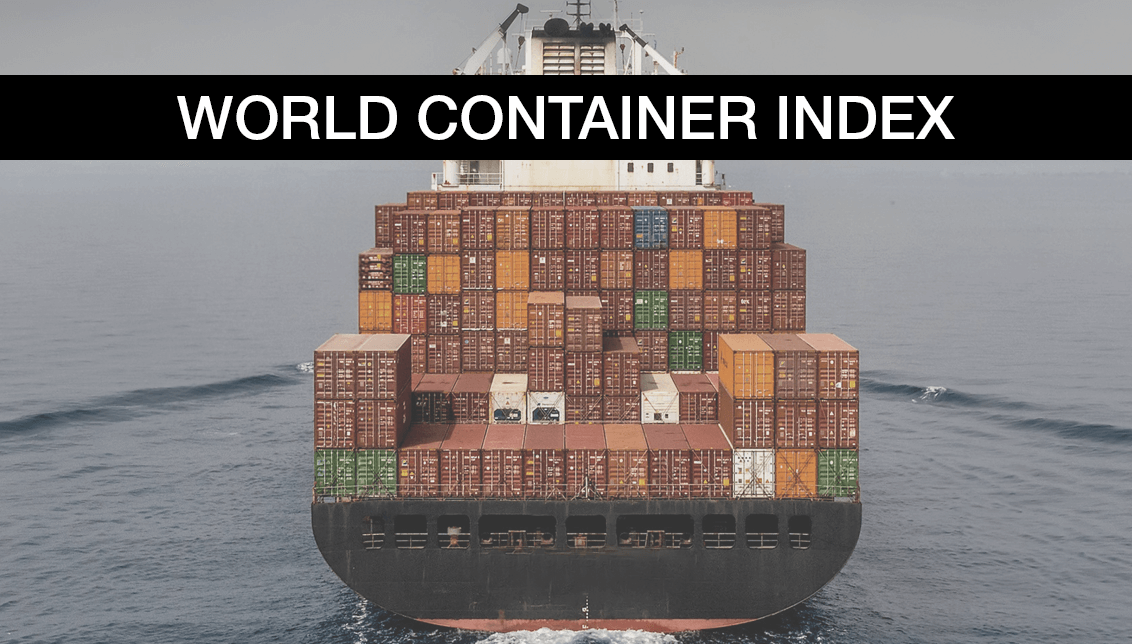
Global container freight rates have reached their highest level in 15 weeks, placing significant pressure on shippers across major East-West trade routes. The Drewry World Container Index (WCI) recorded a 2% increase, settling at $4,585 per 40ft container as of October 22, 2026. This surge is largely attributed to escalating costs on Asia-Europe lanes.
Red Sea Traffic Set for Full Return in Q1 2026
Despite ongoing geopolitical tensions, including Iranian attacks and fluctuating Hormuz traffic, ocean logistics trends suggest a potential normalization of routes. Freightos reports that Red Sea container traffic is set for a full return in Q1 2026. This shift comes as crude exports rise, though oil prices remain near $100 per barrel, creating a complex environment for ocean freight planning.
U.S. Port Dwell Times Rise with Extended Peak Season
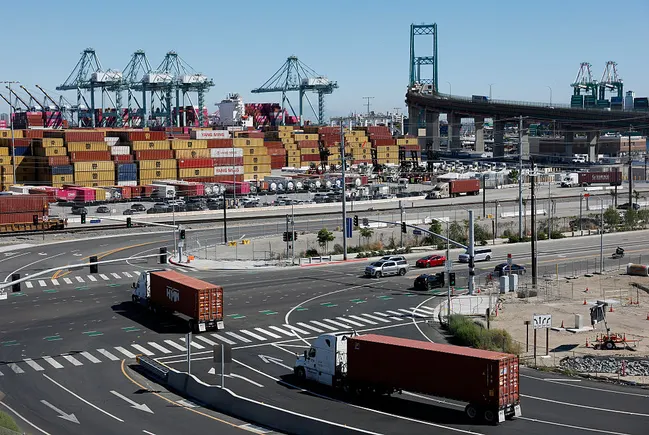
Record cargo volumes in September have driven up dwell times at San Pedro Bay Ports, affecting both rail and truck transport. The Pacific Merchant Shipping Association notes that the extended peak season is causing cargo to remain idle longer, exacerbating congestion issues on the U.S. West Coast.
Shipping & Freight
Asia-Europe Lane Pressures
The primary driver of the recent rate hike is the sharp increase in costs on Asia-Europe routes. Shippers are facing higher premiums as capacity tightens and transit times remain volatile due to alternative routing around the Cape of Good Hope.
Red Sea and Hormuz Dynamics
The maritime environment remains complex, with mixed signals from the Middle East. While there is an expectation of returning to Suez transits, the continued presence of attacks and variable traffic in the Strait of Hormuz keeps risk premiums elevated. Carriers are balancing the cost savings of shorter routes against the security risks, with many still maintaining Cape of Good Hope diversions for now.
Grain Freight Rate Volatility
Global grain freight rates are also rising in 2026, influenced by Panama Canal restrictions and Black Sea disruptions. These factors are altering the cost structures for U.S. corn, wheat, and soybean exports, forcing trade route adjustments that impact broader commodity logistics.

Logistics & Warehousing
Trucking Bankruptcies and Reshoring Trends
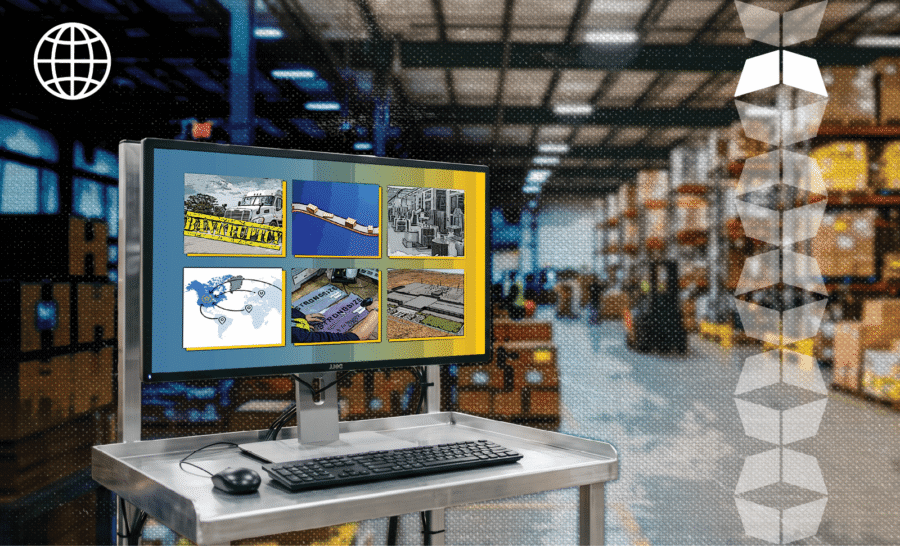
The logistics landscape is shifting with a rise in trucking bankruptcies and a continued focus on reshoring. These factors, along with packaging pressures, are shaping the October outlook for warehousing and transportation, requiring companies to adapt their capacity planning.
Supply Chain Volatility as the New Normal
Industry reports indicate that supply chain volatility has become a permanent feature of the global economy. U.S. logistics costs have reached $2.4 trillion, representing 7.8% of GDP, underscoring the need for resilient strategies rather than just cost optimization.
Technology & Innovation
Warehouse Robotics Move Beyond Pilots
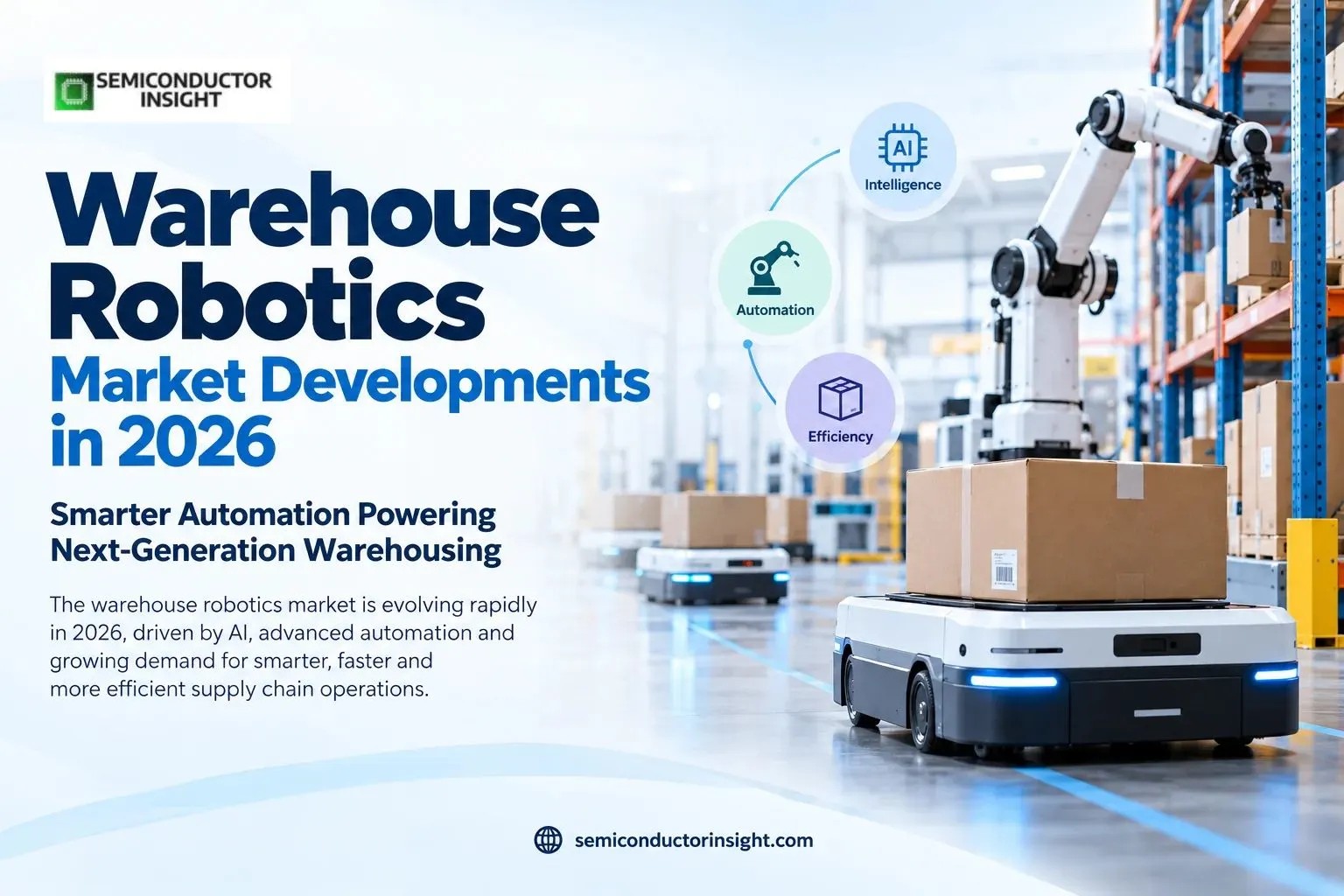
In 2026, warehouse robotics has moved beyond basic conveyor systems to intelligent fulfillment. Autonomous mobile robots are becoming part of everyday operations, driven by e-commerce demands and labor gaps. The market is seeing a new phase of integration where robotics are standard infrastructure rather than experimental tech.
AI Adoption in Supply Chain Functions
AI adoption across 13 supply chain functions currently averages 1.94 on a five-point scale, indicating significant room for growth. Experts warn that companies are often purchasing AI tools before fixing underlying processes, a trend that could hinder the full realization of AI's potential in logistics.
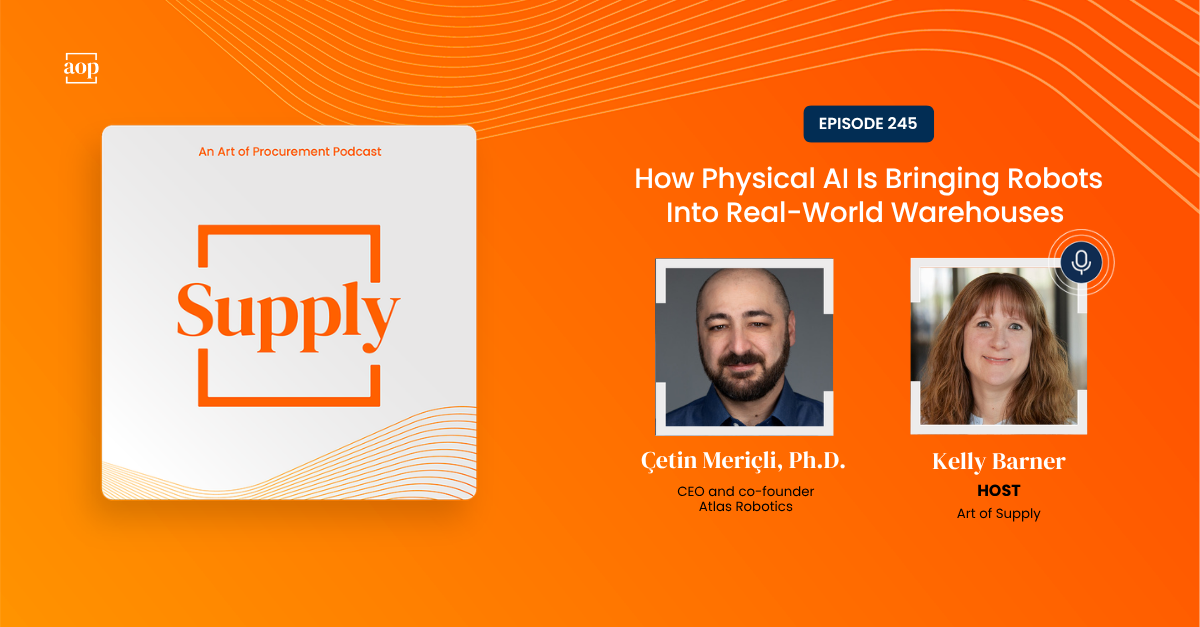
Physical AI in Real-World Warehouses
Physical AI is bringing robots into real-world warehouse operations, enhancing efficiency and collaboration. This technology allows for more autonomous decision-making in dynamic environments, moving beyond pre-programmed tasks to adaptive logistics execution.
What to Watch Next Week
- Q1 2026 Suez Return: Monitor carrier announcements regarding the timeline for full return to Red Sea/Suez Canal transits.
- Peak Season Congestion: Watch for further dwell time increases at U.S. West Coast ports as peak season volumes persist.
- AI Implementation Failures: Keep an eye on reports of AI adoption challenges in supply chain functions where process fixes lag behind tool purchases.
- Grain Export Costs: Track changes in grain freight rates as Panama Canal restrictions and Black Sea disruptions continue to evolve.
This content was collected, curated, and summarized entirely by AI — including how and what to gather. It may contain inaccuracies. Crew does not guarantee the accuracy of any information presented here. Always verify facts on your own before acting on them. Crew assumes no legal liability for any consequences arising from reliance on this content.
Powered by
