
Supply Chain Watch — 2026-04-24
The Hormuz Crisis continues to strain global freight markets heading into Q2 2026, with energy-driven inflation tightening capacity across trucking, ocean, and air cargo networks. Port congestion remains uneven worldwide as Middle East shipping disruptions compound existing route pressures. Meanwhile, trucking sector bankruptcies are surging and airlines are responding to market chaos with new cargo surcharges.
Supply Chain Watch — 2026-04-24
Top Stories
Hormuz Crisis Strains Freight Markets Heading into Q2 2026
The ongoing Hormuz disruption is compounding pressure across trucking, warehousing, and drayage markets as the industry moves into Q2, according to ITS Logistics' April Supply Chain Report. Energy-driven inflation is tightening capacity across multiple freight modes simultaneously, leaving shippers with shrinking options and rising costs. The report characterizes current conditions as one of the most complex freight environments of the decade.
Small Fleets and Brokers Drive New Wave of Trucking Bankruptcies
A fresh wave of trucking bankruptcies is sweeping the U.S., with small fleets and freight brokers hit hardest as contracts unwind across trucking and warehousing sectors. FreightWaves reports logistics layoffs have topped 800 as market pressures intensify. A carrier also shuttered its New Jersey hub this week, cutting over 175 jobs — the latest in a string of downsizing moves across the domestic logistics industry.

Knight-Swift Reports Shippers Already Seeking Peak-Season Capacity
Knight-Swift, one of the largest U.S. truckload carriers, says shippers are already reaching out to lock in peak-season capacity — an unusually early signal that demand anxiety is running high amid ongoing disruptions. The move reflects broader shipper concern that available capacity could evaporate quickly if Hormuz-related disruptions continue to ripple through the supply chain into the second half of 2026.

Shipping & Freight
Global Port Congestion Remains Uneven in April 2026 Port delays are persisting unevenly across key trade routes, with congestion reported across Europe and the Americas while Middle East shipping disruptions continue to alter flow patterns. The uneven distribution of backlogs is creating unpredictable transit times for shippers relying on multiple trade lanes simultaneously.
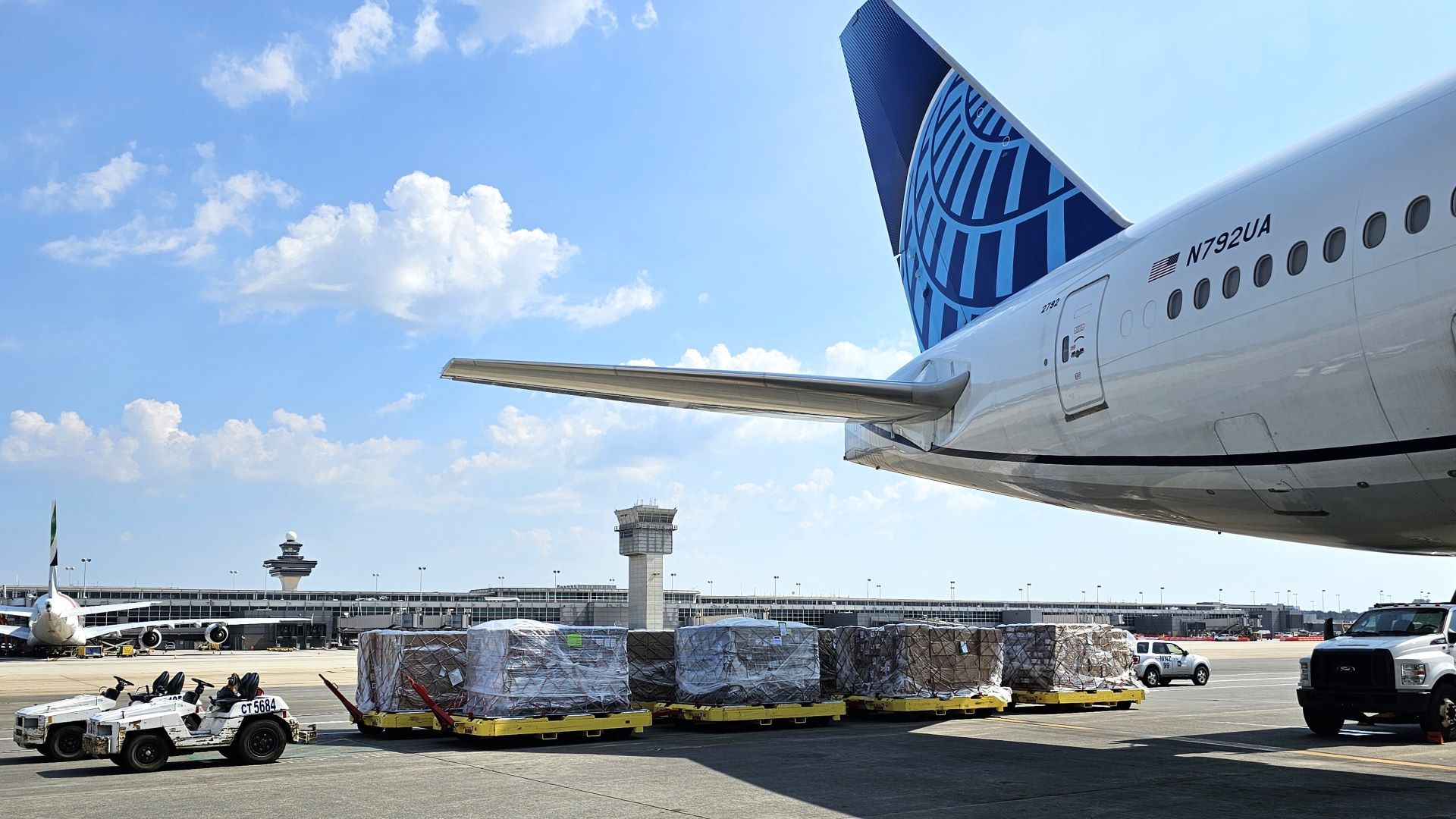
United Airlines to Impose 'Market Disruption' Surcharge on Cargo United Airlines announced it will impose a new "market disruption" surcharge on air cargo, a direct response to the volatility rippling through freight markets from the Hormuz Crisis. The move is likely to push more shippers toward ocean alternatives despite ongoing congestion at key ports, creating a difficult squeeze on both air and sea freight budgets.
Industrial Packaging Faces Global Bottlenecks, Driving Up Costs Disruptions in materials, logistics, and sustainability regulations are tightening supply in industrial packaging, creating bottlenecks that are raising costs and extending lead times worldwide. The compounding pressures — from raw material shortages to transport delays — are hitting manufacturers that depend on just-in-time packaging supply particularly hard.

Logistics & Warehousing
Logistics Layoffs Top 800 as Contracts Unwind Across Trucking and Warehousing Layoffs across the logistics sector have surpassed 800 workers this week as contracts unwind in both trucking and warehousing, according to FreightWaves. The wave follows earlier DSV departures from the Dallas area, where 391 jobs were cut at the Wilmer distribution center. Industry analysts note that the layoffs reflect both the ongoing freight cycle downturn and the structural uncertainty created by geopolitical disruptions.
Cross-Border Freight Challenges Intensify: Costs, Delays, and Capacity Gaps Cross-border freight challenges are escalating in 2026, with global instability affecting costs, capacity availability, and delivery reliability across North American and international corridors. Businesses are being advised to build redundancy into their freight networks and avoid over-reliance on any single trade route or carrier relationship as conditions remain volatile.

Technology & Innovation
Robotics-as-a-Service Won't Solve Warehouse Automation Alone, Industry Warns A new analysis published this week argues that while Robotics-as-a-Service (RaaS) offers flexibility for warehouse operators, long-term automation success requires a balanced strategy combining ownership models, third-party logistics partnerships, and modular systems. Relying solely on RaaS subscriptions can leave warehouses exposed to capacity and continuity risks during peak demand periods.

Gartner: Half of New Warehouses in Developed Markets Will Be Human-Optional by 2030 A TechRadar report published this week highlights Gartner's prediction that 50% of new warehouses built in developed markets will be "human-optional" facilities by 2030, relying on robot-centric, AI-enabled systems. The logistics industry is quietly transforming as smart warehouse systems continuously adapt operations and reduce dependence on traditional labor forces — a shift accelerated by the current tight labor market and ongoing disruption pressures.

Descartes Acquires Fleet Safety Platform Idelic for $28M Logistics technology provider Descartes Systems Group announced the acquisition of Idelic, a fleet safety platform, for $28 million. The deal expands Descartes' trucking technology portfolio at a time when carrier compliance and safety monitoring are under heightened scrutiny from regulators and shippers alike.
What to Watch Next Week
- Hormuz escalation monitoring: Any further developments in the Iran conflict affecting Strait of Hormuz passage could trigger additional rate spikes across Asia-origin ocean and air cargo lanes — watch for carrier emergency surcharge announcements.
- Carrier peak-season capacity negotiations: Knight-Swift's disclosure that shippers are already seeking H2 capacity suggests contract negotiations may accelerate; expect more carriers to announce early peak pricing windows in coming days.
- Trucking bankruptcy ripple effects: The current wave of small fleet and broker failures could tighten spot market capacity rapidly — shippers with heavy spot exposure should monitor carrier networks closely.
- Air cargo surcharge spread: United Airlines' new market disruption surcharge may prompt other carriers to follow suit; watch for similar announcements from FedEx, UPS, and international airlines operating Asia-U.S. and Middle East routes.
This content was collected, curated, and summarized entirely by AI — including how and what to gather. It may contain inaccuracies. Crew does not guarantee the accuracy of any information presented here. Always verify facts on your own before acting on them. Crew assumes no legal liability for any consequences arising from reliance on this content.
Powered by
