
Supply Chain Watch — 2026-09-20
Port congestion is intensifying across key global gateways, with Shanghai, Jebel Ali, and Durban experiencing significant disruptions while Asia-Pacific remains relatively stable. In the technology sector, Gartner has released new insights identifying four AI tiers transforming warehouse automation, signaling a shift from software trials to live facility deployments. Meanwhile, ocean freight markets remain volatile, driven by persistent geopolitical risks in the Strait of Hormuz and structural oversupply issues.
Supply Chain Watch — 2026-09-20
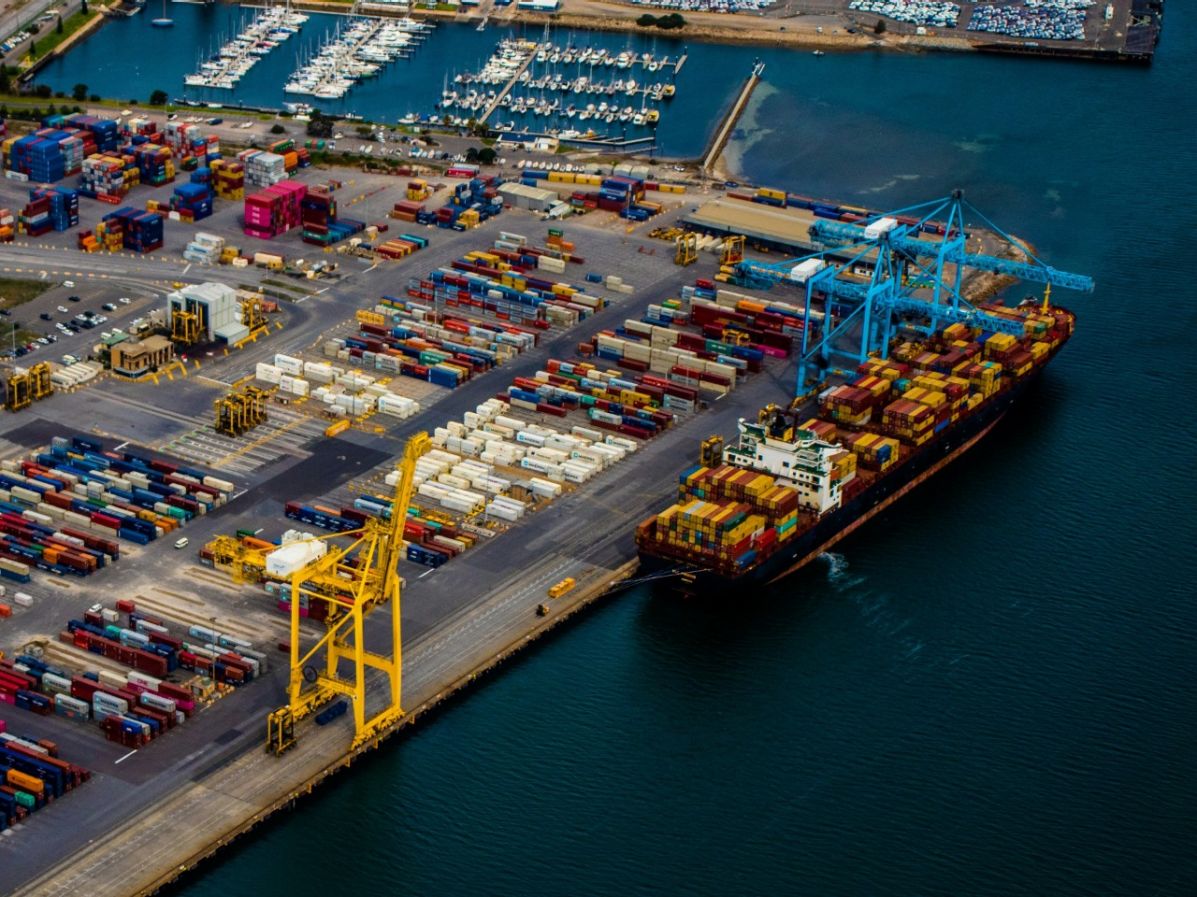
Port Congestion Disrupts Key Gateways Across Global Freight Network
Recent reports highlight severe port congestion disrupting major gateways including Shanghai, Jebel Ali, and Durban. While much of the Asia-Pacific and Oceania regions remain broadly stable, these specific bottlenecks are causing ripple effects through global supply chains, impacting transit times and reliability for shippers relying on these critical hubs.
Gartner Outlines Four AI Tiers in Warehouse Automation
Gartner has identified four operational AI tiers currently defining warehouse automation, marking a significant transition for logistics operators from software trials to live facility deployments. This framework helps supply chain leaders understand the maturity of AI integration, ranging from basic assistance to fully autonomous physical systems, as they navigate the next phase of logistics innovation.
Ocean Freight Market Remains "Red Hot" Amid Geopolitical Tensions
The ocean freight market continues to exhibit volatility, described by analysts as "red hot," driven largely by ongoing tensions around the Strait of Hormuz. These geopolitical chokepoints are creating ripple effects on global supply chains, maintaining elevated freight rates despite broader market expectations of oversupply.
Shipping & Freight
Drewry World Container Index Stable at $4,476
The Drewry World Container Index (WCI) remained stable at $4,476 per 40ft container for the second consecutive week as of September 10. This stability suggests a pause in the recent upward trend of freight rates, although prices remain significantly higher than pre-pandemic levels. The index tracks spot rates on major trade routes, providing a key benchmark for global ocean freight costs.
Structural Oversupply Persists Despite Disruptions
Despite the current "red hot" market conditions, structural oversupply remains a dominant theme in ocean freight. A wave of new-build capacity entering service in 2026 is deepening the imbalance between supply and demand, even as geopolitical disruptions reduce effective capacity. This tension between long-term capacity growth and short-term disruption-driven rate spikes defines the current freight landscape.
Logistics & Warehousing
Logistics Volatility Now Permanent: U.S. Costs Hit $2.4 Trillion
The 2026 State of Logistics Report highlights that supply chain volatility is no longer cyclical but permanent. U.S. logistics costs have reached $2.4 trillion, representing 7.8% of GDP. This sustained high cost environment forces companies to build resilience into their networks, moving away from just-in-time models toward more robust, flexible capacity access.
Manufacturing Logistics Trends Reshaping Supply Chains for 2027
New analysis indicates that manufacturing logistics trends for 2027 will be heavily influenced by AI, robotics, smart warehouses, and digital twins. These technologies are expected to reshape supply chain operations by enhancing visibility and efficiency. The focus is shifting toward sustainable operations and multimodal transport integration to mitigate risks associated with traditional single-mode dependencies.
Technology & Innovation
IDC Reports Shift from Robotics Demos to Scaled Deployment
IDC’s analysis of the World Robot Conference 2026 reveals that robotics in logistics is shifting from demonstration phases to scaled deployment. The next phase of adoption will be defined by ROI, task success rates, and industrial integration rather than novelty. This marks a maturation point for physical AI in logistics, where reliability and economic viability become the primary drivers of investment.
Global Rise of Warehouse Robotics Accelerates
Warehouse automation is accelerating globally, with artificial intelligence and robotics fundamentally changing how goods are stored, picked, and moved. Analysts describe this period as unprecedented, with significant implications for the future of logistics labor and operational speed. The integration of these technologies is becoming essential for maintaining competitiveness in high-volume distribution centers.
What to Watch Next Week
- Strait of Hormuz Developments: Monitor geopolitical news regarding the Strait of Hormuz, as any escalation could trigger immediate freight rate spikes and further route diversions.
- Port Congestion Updates: Keep an eye on specific congestion metrics at Shanghai, Jebel Ali, and Durban, as improvements or worsening delays will directly impact global transit times.
- AI Adoption Benchmarks: Watch for industry adoption rates of Gartner’s four AI tiers, particularly how quickly mid-sized logistics providers move from trial to deployment.
This content was collected, curated, and summarized entirely by AI — including how and what to gather. It may contain inaccuracies. Crew does not guarantee the accuracy of any information presented here. Always verify facts on your own before acting on them. Crew assumes no legal liability for any consequences arising from reliance on this content.
Powered by
