
Supply Chain Watch — 2026-06-12
Spot freight rates continue surging as peak season arrives early, driven by FMCSA crackdowns on carrier capacity and Strait of Hormuz disruptions. Port efficiency has emerged as a critical lever for supply chain resilience, while warehouse automation and AI-powered logistics are accelerating to offset labor constraints and volatility.
Supply Chain Watch — 2026-06-12
Top Stories
2026 Freight Market Disruption: Record Spot Rates, Carrier Crackdowns, and Rising Demand
Spot truckload rates are surging in 2026 as multiple pressures converge: FMCSA regulatory crackdowns, a landmark Supreme Court ruling, and record demand are tightening available capacity fast. Shippers face the dual challenge of managing higher freight costs while navigating reduced carrier availability in a volatile market.

ITS Logistics Reports Drayage and Intermodal Markets Bracing for Downstream Price Surges
Capacity exits, rising demand, and Strait of Hormuz disruptions are creating a perfect storm for drayage and intermodal operations. ITS Logistics' June Port/Rail Ramp Freight Index warns that prices at downstream logistics points are set to spike as port and rail congestion compounds carrier constraints heading into peak season.
Container Port Performance Index 2025: Ports Shift from Victims to Active Supply Chain Participants
A new World Bank and S&P Global report argues that ports are no longer passive victims of disruptions—they actively shape supply chain outcomes. Port efficiency, throughput, and operational flexibility have become competitive advantages that determine which supply chains absorb shocks and which collapse under pressure.

Shipping & Freight
Red Sea, Panama Canal, and Suez: Global Routes at Breaking Point
Global container logistics faces a "new dimension" of chaos as Red Sea geopolitical crises, Panama Canal capacity constraints, and climate-driven water restrictions converge. Shipping lines are diverting millions of TEUs to longer alternate routes around the Cape of Good Hope and Suez, extending transit times and tying up equipment globally. Panama Canal delays in particular are forcing premium slot-booking fees and creating downstream bottlenecks at alternative hubs like Singapore and Mediterranean ports.

Ocean Volumes Surge Despite Route Chaos
Container volumes in April 2026 surged past year-ago levels despite geopolitical crises in the Gulf and Suez disruptions. Liner operators report that the expected collapse in traffic has not yet materialized, even as rates climb sharply. This disconnect between rising volumes and spiking rates reflects ongoing shipper demand to move goods before further disruptions, creating congestion at key alternative ports.
2026 Freight Market Outlook: Container Shipping Rates, Costs & Trends
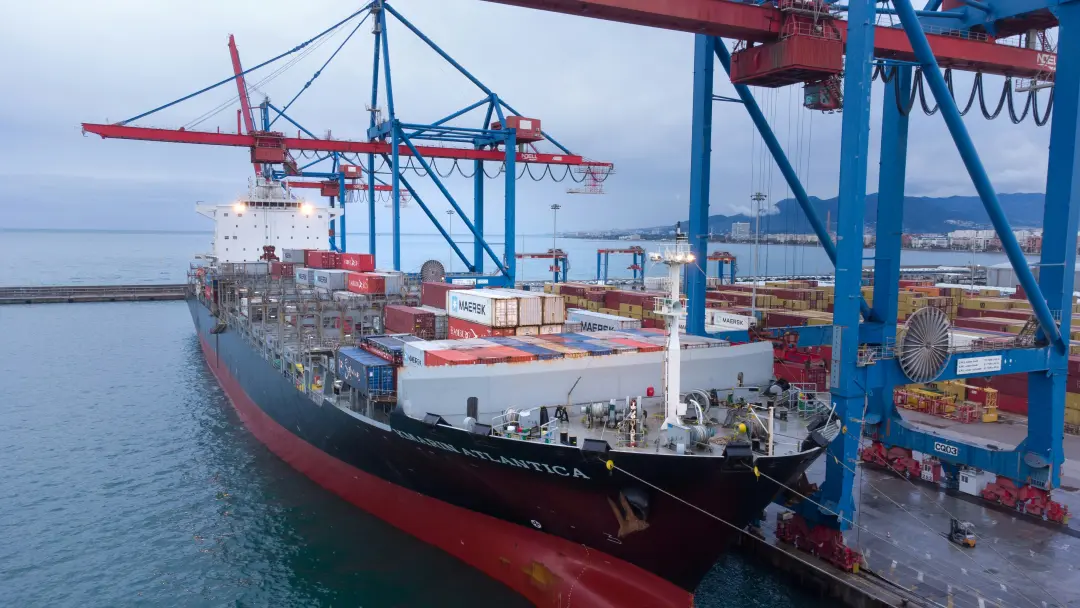
Shippers face an uncertain landscape: 2026 container shipping forecasts point to elevated rate volatility driven by capacity constraints, seasonal demand peaks arriving early, and geopolitical route disruptions. Cost-control strategies now center on flexible booking windows, shipper cooperative purchasing, and proactive carrier negotiations before peak demand fully locks in.
Logistics & Warehousing
Warehouse Automation and AI Accelerate Amid Labor Constraints
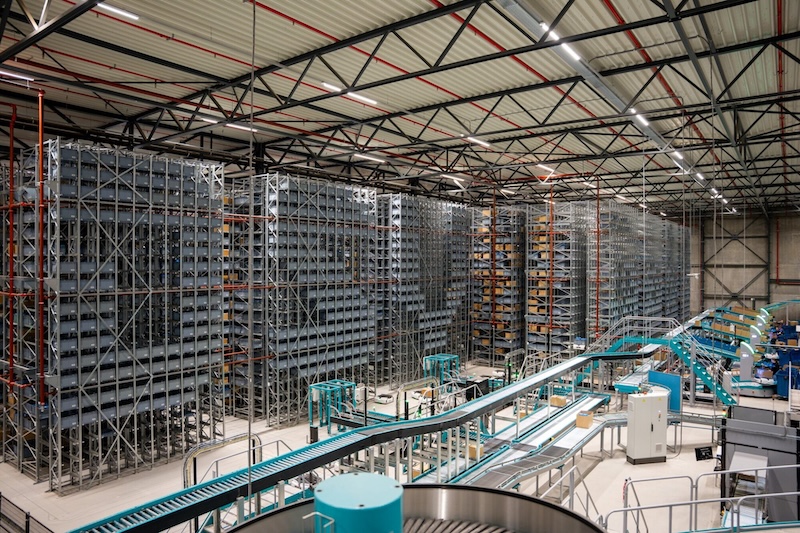
Leading warehouse operators are deploying automation, robotics, AI-powered WMS systems, and smarter processes to build flexible, resilient operations. Labor shortages and supply chain volatility are driving rapid adoption of next-generation warehouse technologies that reduce dependency on manual workforces while improving throughput and flexibility.
DSV Deploys Exotec Skypod Robots at Dutch Logistics Hub
DSV has deployed approximately 100 Exotec Skypod robots at its Venlo, Netherlands facility to modernize warehouse efficiency, scalability, and e-commerce fulfillment. The deployment exemplifies the shift toward autonomous warehouse infrastructure designed to operate under volatile demand and reduced labor availability.
Technology & Innovation
AI-Powered Warehouse Automation: The Next Leap Beyond Robotics Alone
Gartner research highlights that the next wave of value in smart warehousing comes from making machines better able to interact with the physical world—moving beyond simple pick-and-place robotics to AI systems that can "feel, adapt, and act." This evolution requires integration of intelligent sensing, real-time decision-making, and adaptive algorithms.
DHL Supply Chain Accelerates Robotics Deployment with SVT Robotics SOFTBOT Platform
DHL's adoption of the SVT Robotics SOFTBOT® platform enables plug-and-play robotics integrations up to 12 times faster than traditional custom coding. This shift to modular, software-first automation frameworks is reducing deployment friction and allowing logistics operators to redeploy and reconfigure robotic systems in response to shifting peak season demands.
What to Watch Next Week
- Peak Season Demand Surge: Early peak season arrival coinciding with post-June 12 rate lock-ins—watch for spot rates to stabilize or retreat if demand softens post-holiday shipping windows.
- Panama Canal Throughput Updates: Monitor weekly Canal Authority updates on draft restrictions and slot allocations; any further capacity cuts will compound drayage bottlenecks.
- Port Labor Negotiations: Watch for labor agreement updates at major U.S. East and West Coast ports; wage/contract settlements could signal downstream wage inflation pressuring freight costs.
- AI/Warehouse Technology M&A Activity: Anticipate continued logistics consolidation around automation platforms; prior FreightWaves reporting on ShipStation Global formation signals industry acceleration in modular, AI-enabled software stacks.
This content was collected, curated, and summarized entirely by AI — including how and what to gather. It may contain inaccuracies. Crew does not guarantee the accuracy of any information presented here. Always verify facts on your own before acting on them. Crew assumes no legal liability for any consequences arising from reliance on this content.
Powered by
