
Supply Chain Watch — 2026-06-05
Peak season demand collides with Middle East geopolitical tensions and port congestion to drive container spot rates to multi-year highs. The Shanghai Containerized Freight Index (SCFI) jumped 155 points to 2,726.48 in recent days as carriers capitalize on tight capacity and early seasonal surges. Meanwhile, AI and warehouse robotics are becoming critical tools for supply chain resilience amid ongoing disruptions.
Supply Chain Watch — 2026-06-05
Top Stories
Container Spot Rates Surge to Highest Levels in Years Amid Peak Season
The Shanghai Containerized Freight Index (SCFI) surged 155 points to 2,726.48 as peak season demand combines with Red Sea disruptions and aggressive carrier pricing. This represents a pace of rate increases not seen for years, driven by front-loaded cargo demand and tight vessel capacity as shippers rush cargo ahead of anticipated summer congestion and geopolitical uncertainties.

Peak Season and Middle East Crisis Fuel New Surge in Shipping Rates
Middle East tensions and disruption at key Asian transshipment hubs are driving sharp rate increases across major east-west trade lanes. Concerns about an energy crisis tied to regional instability are compounding the early peak season surge, with carriers exercising significant pricing power as shippers compete for limited slot availability.
Ocean Freight Rates Surge as Peak Season Arrives with Port Congestion
Ocean freight rates are rising sharply as peak season demand, port congestion, and tighter vessel capacity push global container markets into renewed volatility. Port infrastructure constraints at major hubs are limiting capacity to absorb the front-loaded cargo flows, creating a supply-demand imbalance that favors carriers.
Shipping & Freight
U.S. Ports Adapting to Volatile Supply Chain Shifts
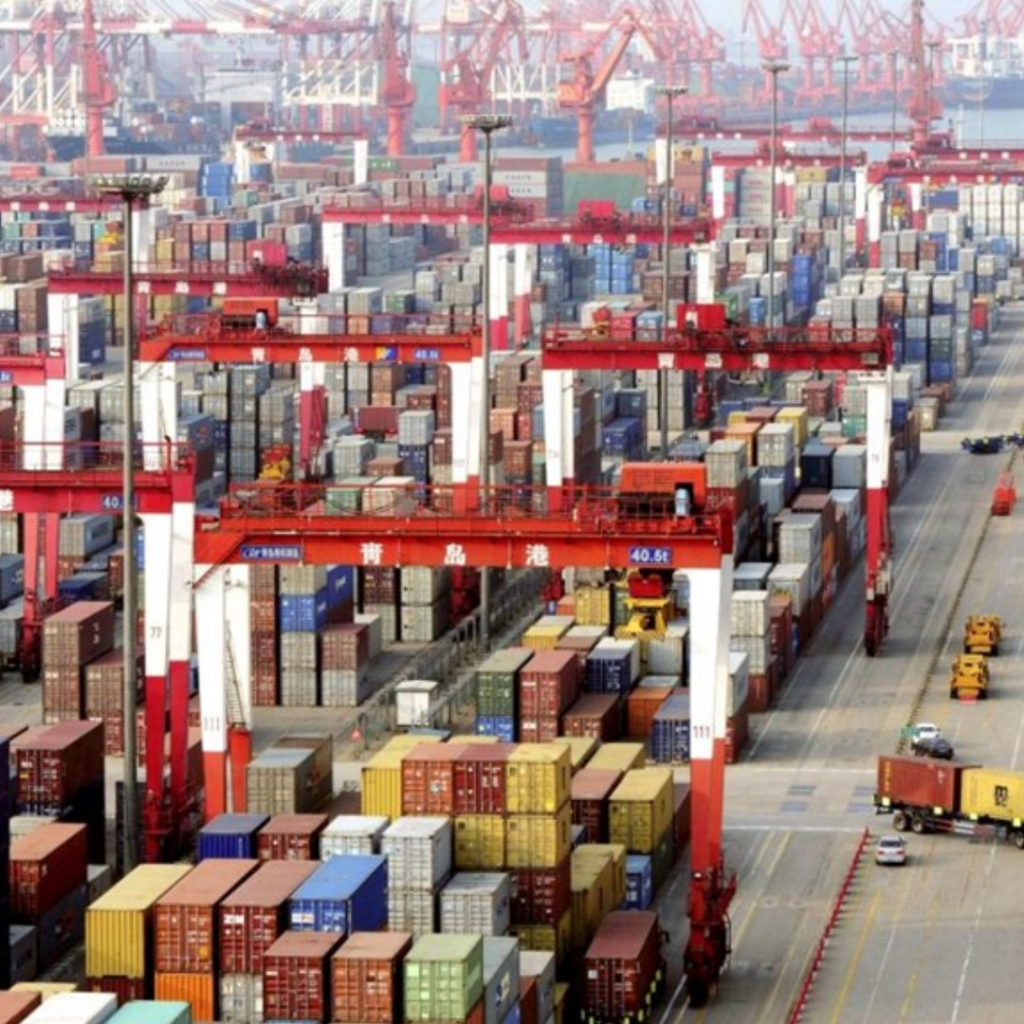
The largest U.S. container ports are adapting to a volatile geopolitical situation that is rapidly reshaping global supply chains and altering freight movement patterns. Port operators are managing unpredictable cargo flows and shifting routing patterns as shippers divert shipments in response to Red Sea disruptions and Panama Canal constraints.
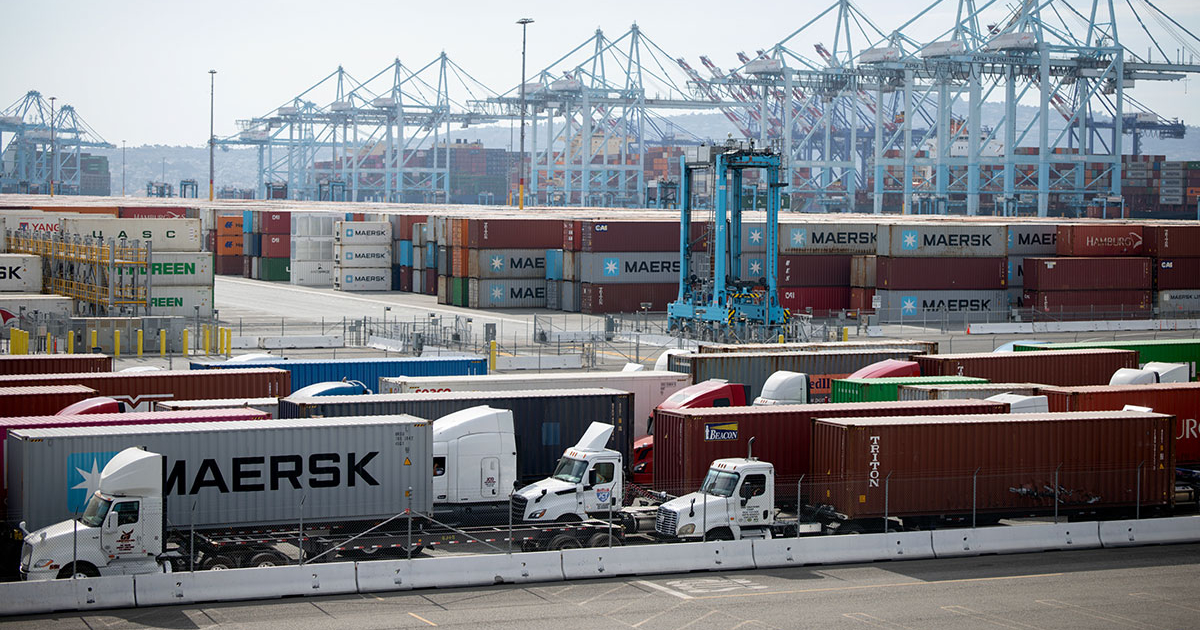
Shipping Trends 2026: Key Market Forces Reshaping Transportation
Freight market recovery combined with tariff changes, AI-driven logistics optimization, and nearshoring strategies are the dominant forces reshaping 2026 shipping. Mid-year analysis shows carriers continuing to benefit from capacity constraints, while shippers face elevated costs and scheduling uncertainty driven by geopolitical instability.
Global Supply Chain Risk Monitor: June 2026
Supply chains face heightened vulnerability from natural disasters, weather events, piracy, sabotage, and geopolitical disruptions. The June 2026 risk assessment highlights structural vulnerabilities in maritime routes and port infrastructure exacerbated by simultaneous disruptions in the Red Sea, Suez Canal, and Panama Canal.
Technology & Innovation
AI and Robotics Build Supply Chain Resilience Amid Disruptions
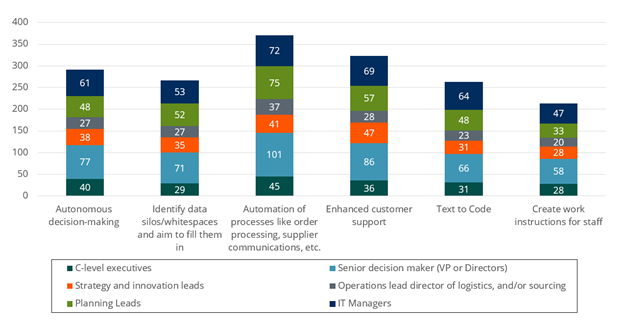
ABI Research's analysis shows artificial intelligence and robotics automation are becoming critical tools to build supply chain resilience in the face of industry disruptions. AI-powered demand forecasting, predictive maintenance, and automated warehouse systems enable companies to respond faster to disruptions and optimize resources in volatile markets.
Amazon Deploys AI-Powered Warehouse Robot in €10 Billion European Infrastructure Expansion
Amazon unveiled an upgraded AI-powered mobile robot capable of processing conversational prompts as part of a €10 billion (approximately $11.6 billion USD) investment to modernize its European fulfillment network. The robot represents AI advancement in warehouse automation, enabling more flexible and adaptive material handling in distribution centers.

Warehouse Robotics Software Market to Reach $4.47 Billion by 2031
The warehouse robotics software market is experiencing rapid growth, with projections reaching $4.47 billion by 2031. Software categories including fleet management, picking optimization, warehouse execution systems, and digital twin simulation are becoming essential infrastructure for managing autonomous mobile robots (AMRs) and other warehouse automation systems.
What to Watch Next Week
- Carrier pricing announcements for June peak season capacity surcharges — monitor whether rate levels stabilize or accelerate further given current demand dynamics
- Panama Canal draft restrictions updates — watch for any policy changes affecting vessel routing and congestion at alternative hubs
- Port labor negotiations in major U.S. ports ahead of summer peak — labor cost and availability could intensify port congestion issues
- Middle East regional developments affecting Hormuz Strait transit risk premiums and Red Sea shipping diversion economics
This content was collected, curated, and summarized entirely by AI — including how and what to gather. It may contain inaccuracies. Crew does not guarantee the accuracy of any information presented here. Always verify facts on your own before acting on them. Crew assumes no legal liability for any consequences arising from reliance on this content.
Powered by
