
Supply Chain Watch — 2026-08-20
Port congestion is now the primary driver of rising container freight rates, with delays effectively removing approximately 1.7 million TEU of global shipping capacity from the market. Concurrently, the expiration of the US-Iran Memorandum of Understanding has heightened geopolitical risks in the Strait of Hormuz, further complicating H2 2026 trade logistics.
Supply Chain Watch — 2026-08-20
Top Stories
Port Congestion Eliminates Evergreen-Sized Fleet from Global Market
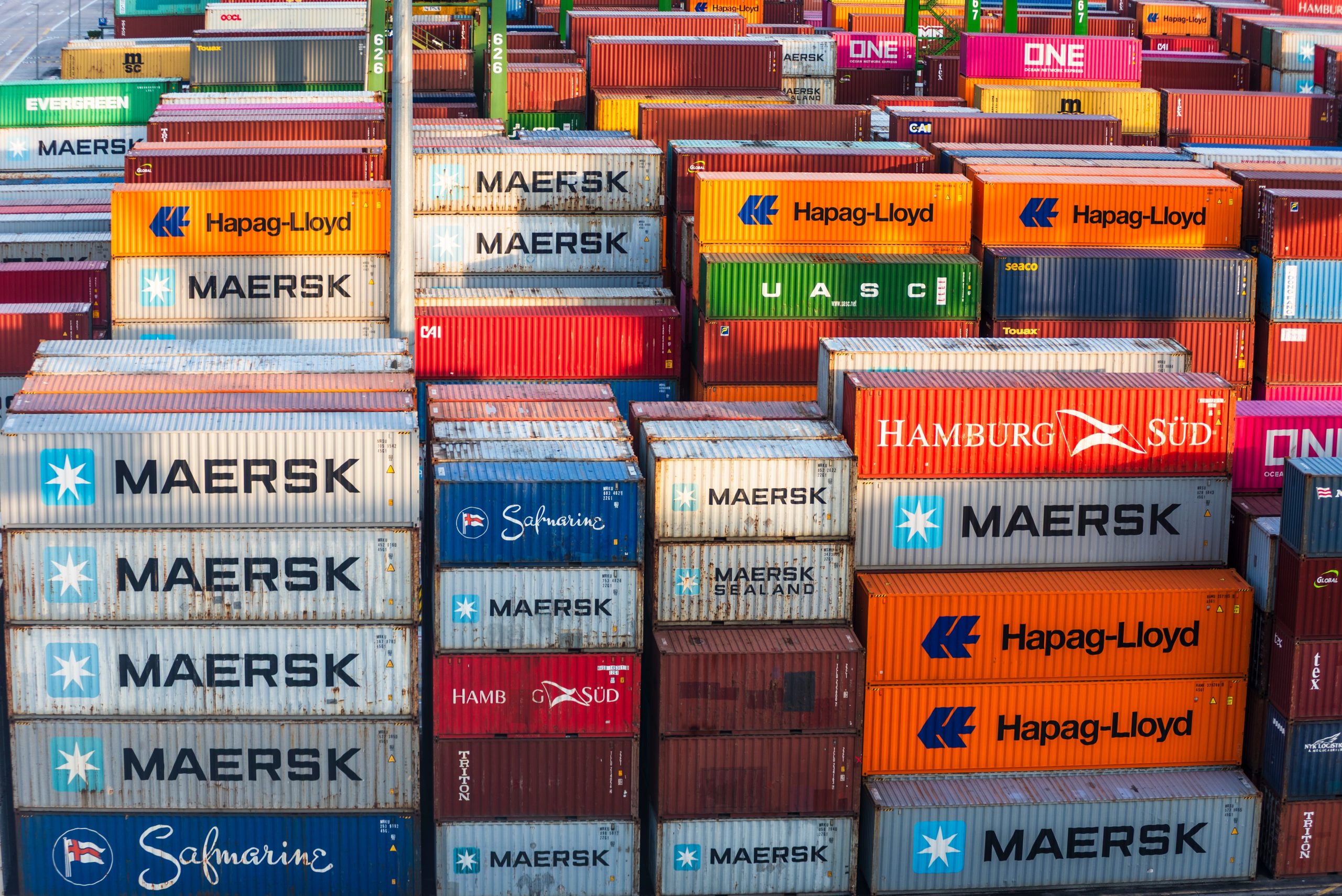
Persistent port congestion is effectively removing around 1.7 million TEU of containership capacity from the global market, an amount approaching the size of Evergreen’s entire fleet, according to analysis from Sea-Intelligence. This "box port" delay issue is stretching port and landside capacity to the breaking point, driven by resilient industrial cargo demand and years of underinvestment in infrastructure.

US-Iran MOU Expires, Heightening Strait of Hormuz Risks
The US-Iran Memorandum of Understanding, signed sixty days ago to reopen the Strait of Hormuz and kickstart negotiations to end the war, expired on August 19, 2026. This expiration introduces significant uncertainty for shipping routes in the region, potentially affecting transit times and freight rates for trade lanes dependent on the Middle East corridor.
Industrial Cargo Drives Resilient Demand Amidst Capacity Strain
Container demand remains resilient as industrial cargo continues to drive growth, but the volume is stretching port and landside capacity. The mix of goods in the boxes is keeping demand steady, yet the physical infrastructure is struggling to handle the throughput, contributing to the congestion that is currently suppressing effective fleet availability.
Shipping & Freight
Congestion Becomes Primary Driver of Rate Volatility
Ocean rates are seeing congestion play a bigger role in pricing dynamics. While container import demand has been elevated but stable, the volatility in rates is increasingly linked to physical bottlenecks rather than pure supply-demand imbalances. The Drewry World Container Index recently increased 1% to $4,339 per 40ft container, driven by higher rates on the Transpacific trade route, though this data is from the week of August 13.

Modal Shift Dampens Trucking Market
Shippers are increasingly using intermodal rail as pricing spreads between trucking and rail near all-time highs. This modal shift is dampening the trucking market, though analysts warn there are risks to this trend looming later in the year as peak season demand intensifies.
Logistics & Warehousing
WMS Integration Key to Automation ROI
As warehouse automation accelerates, manufacturers are discovering that seamless integration, rather than the technology itself, may determine the return on investment. Dylan McKeever, Vice President of Professional Services at Logistics Reply, notes that the Warehouse Management System is becoming an "automation handbook," critical for coordinating the growing number of automated assets in the warehouse.

Technology & Innovation
Logistics 4.0: Robots, Drones, and AI
Logistics 4.0 technologies, including warehouse robots, drones, and AI, are being deployed to automate the warehouse, transport, and last-mile segments of the supply chain. Recent updates indicate a shift toward more integrated "Logistica 4.0" systems that manage the entire flow of goods rather than isolated tasks.

Next Phase of AI Adoption in Supply Chains
The next phase of AI adoption is poised to change the future of supply chains, moving beyond simple forecasting to more complex decision-making and optimization tasks. This trend is part of a broader shift where AI is moving from pilots to practical, widespread use in freight, warehousing, and inventory management.
What to Watch Next Week
- Strait of Hormuz Negotiations: Monitor for any diplomatic follow-up to the expiration of the US-Iran MOU, as failure to renew could lead to further disruptions in Middle East trade lanes.
- Peak Season Rate Adjustments: Watch for carrier announcements regarding Peak Season Surcharges (PSS) as Q3 demand peaks and port congestion continues to limit effective capacity.
- Intermodal Capacity Constraints: Track rail and intermodal yard congestion, as the ongoing modal shift from trucking to rail may create new bottlenecks at rail terminals during peak season.
- Port Infrastructure Updates: Look for news on landside infrastructure projects or temporary operational changes at major US and Asian ports attempting to alleviate the 1.7M TEU capacity loss due to congestion.
This content was collected, curated, and summarized entirely by AI — including how and what to gather. It may contain inaccuracies. Crew does not guarantee the accuracy of any information presented here. Always verify facts on your own before acting on them. Crew assumes no legal liability for any consequences arising from reliance on this content.
Powered by
