
Supply Chain Watch — 2026-04-28
Iran conflict-driven Strait of Hormuz disruptions continue to reverberate across global freight markets heading into Q2 2026, with Asia-US container rates under pressure and trucking bankruptcies rising. U.S. import demand remains moderate as shippers pivot back to lean just-in-time inventory models, leaving trucking capacity vulnerable to sudden demand swings. Meanwhile, warehouse robotics investment accelerates, with Accenture backing autonomous operations platforms and EPG integrating AMRs into live warehouse management systems.
Supply Chain Watch — 2026-04-28
Top Stories
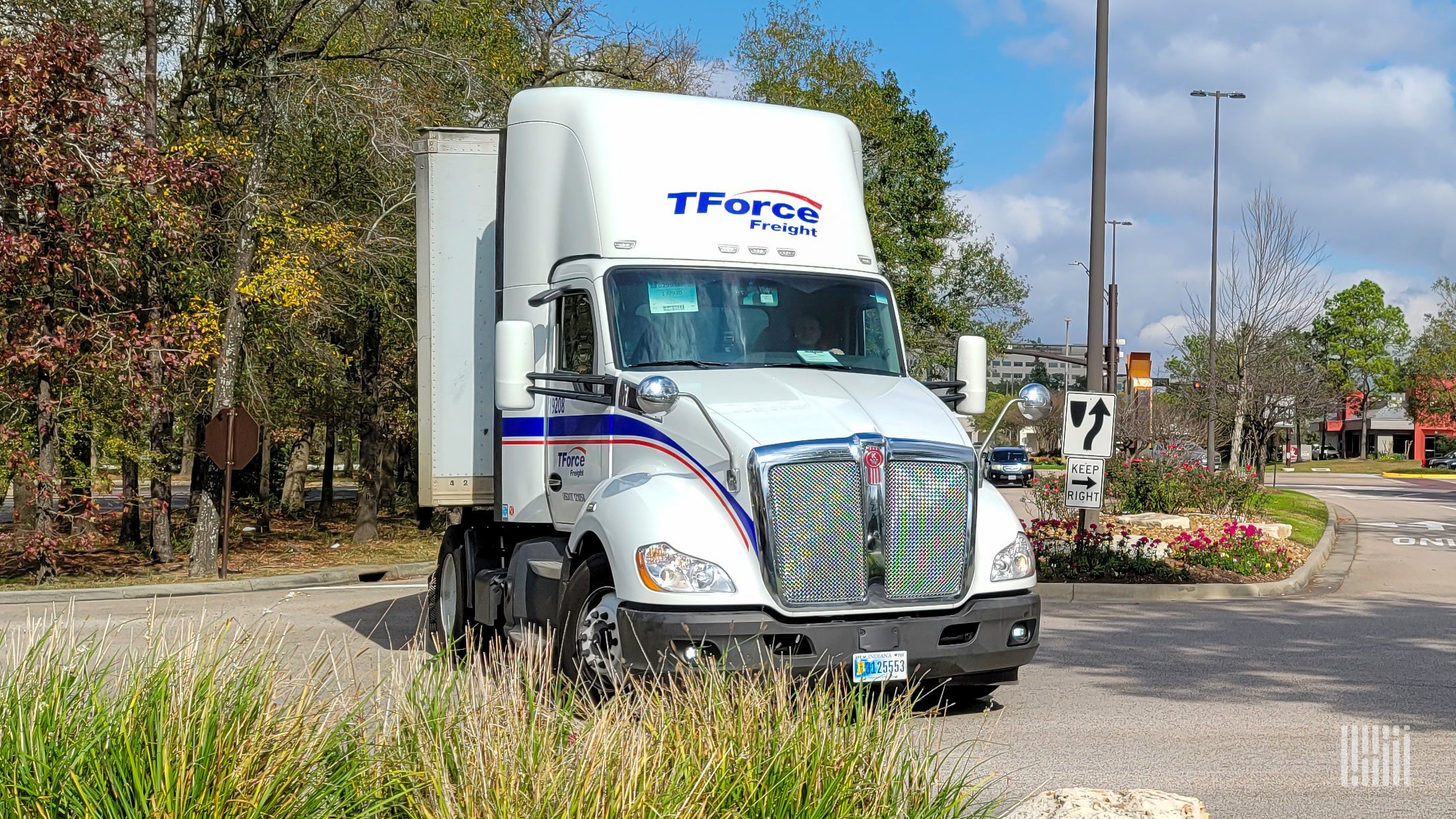
TFI International Q1 Earnings: LTL Struggles, Truckload Recovers
TFI International's latest earnings reveal a split picture: its LTL (less-than-truckload) group continued to struggle through Q1 2026 while the truckload segment showed measurable improvement. The results underscore persistent freight market fragmentation, with different modes responding unevenly to the dual pressures of softened consumer import demand and Hormuz-driven cost inflation.
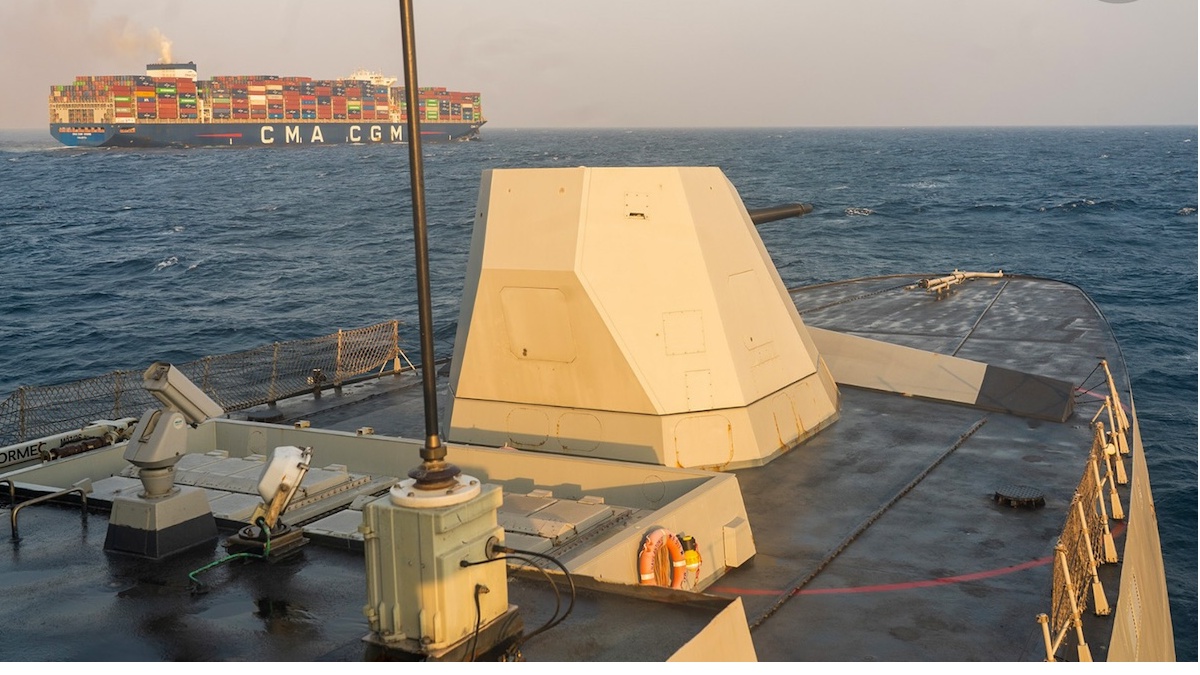
Iran Conflict Sends Asia-US Shipping Rates Soaring — Here's the Mechanism
The ongoing Iran conflict and Strait of Hormuz disruptions are rippling far beyond the Persian Gulf, driving Asia-US ocean freight rates sharply higher. FreightWaves reports that vessels are being rerouted thousands of miles away from traditional corridors, inflating transit times and squeezing capacity on key transpacific lanes — with downstream effects hitting container availability and intermodal drayage markets alike.
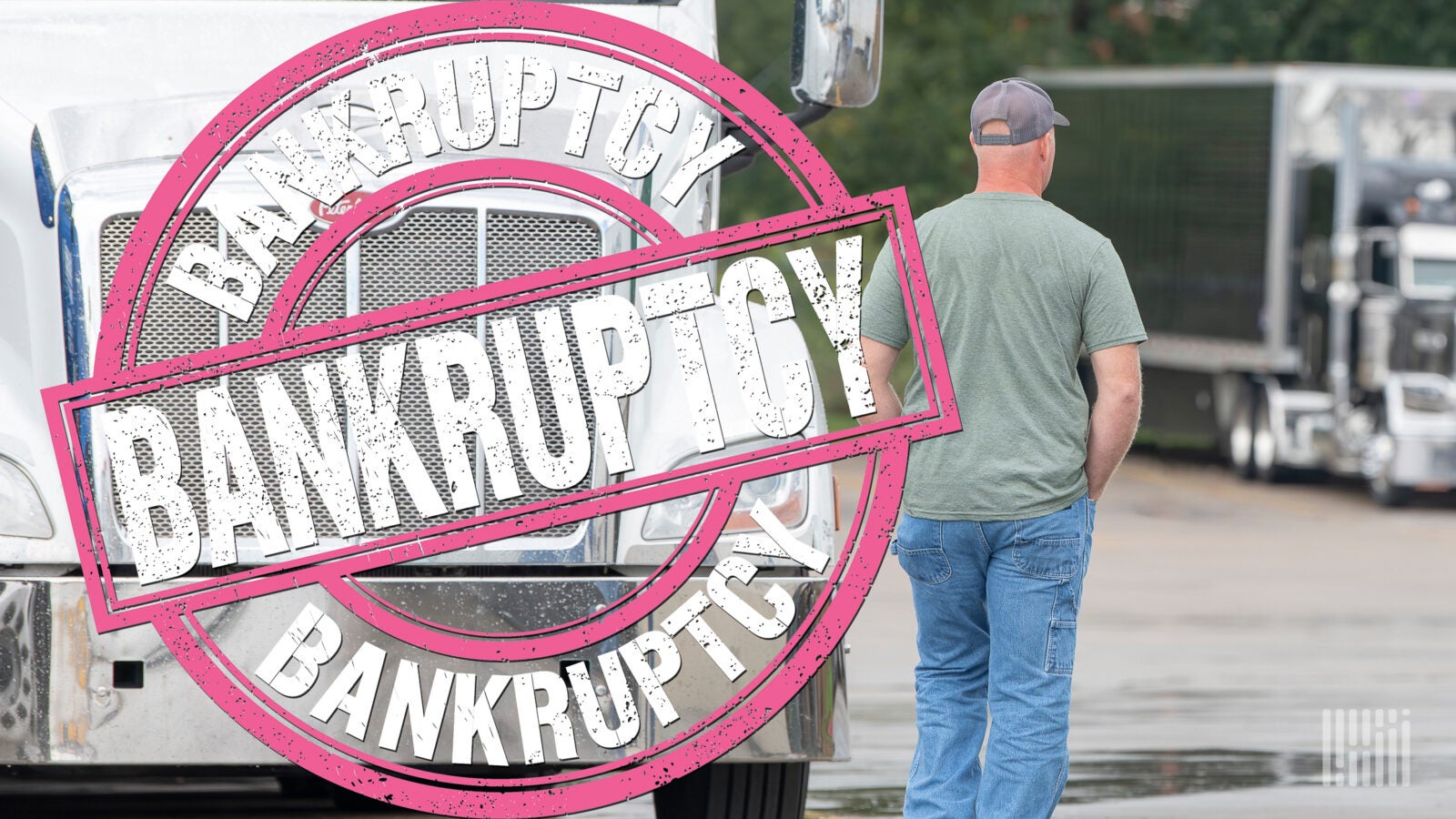
Small Fleets and Brokers Drive New Wave of Trucking Bankruptcies
A new wave of trucking bankruptcies is sweeping through the industry's smaller operators, with FreightWaves reporting that small fleets and freight brokers are disproportionately represented in recent filings. The trend reflects three years of steadily declining trucking capacity combined with energy-driven inflation and tightening credit conditions — a structural squeeze that industry analysts warn could leave the market dangerously thin ahead of any demand rebound.
Shipping & Freight
U.S. Import Demand Moderate; JIT Ordering Returns As of late April 2026, U.S. import demand remains moderate, with the Import Opportunity Tracking Index (IOTI) sitting at 1,715. After tariff-driven inventory pre-builds in 2024–2025, shippers have reverted to lean just-in-time ordering patterns. Trucking capacity has been declining for three years, creating vulnerability to sudden demand spikes — a combination IndexBox analysts describe as a "powder keg" configuration for the freight market.
Benchmark Diesel Price Posts Biggest Drop Since Late 2022 Diesel prices recorded their largest single-week decline since late 2022 in the week ending April 21, according to FreightWaves, offering some relief to carriers battling elevated operating costs from the Hormuz-driven energy-price surge. The drop could ease pressure on fuel surcharges across trucking and drayage, though analysts caution that geopolitical risk keeps any sustained relief uncertain.
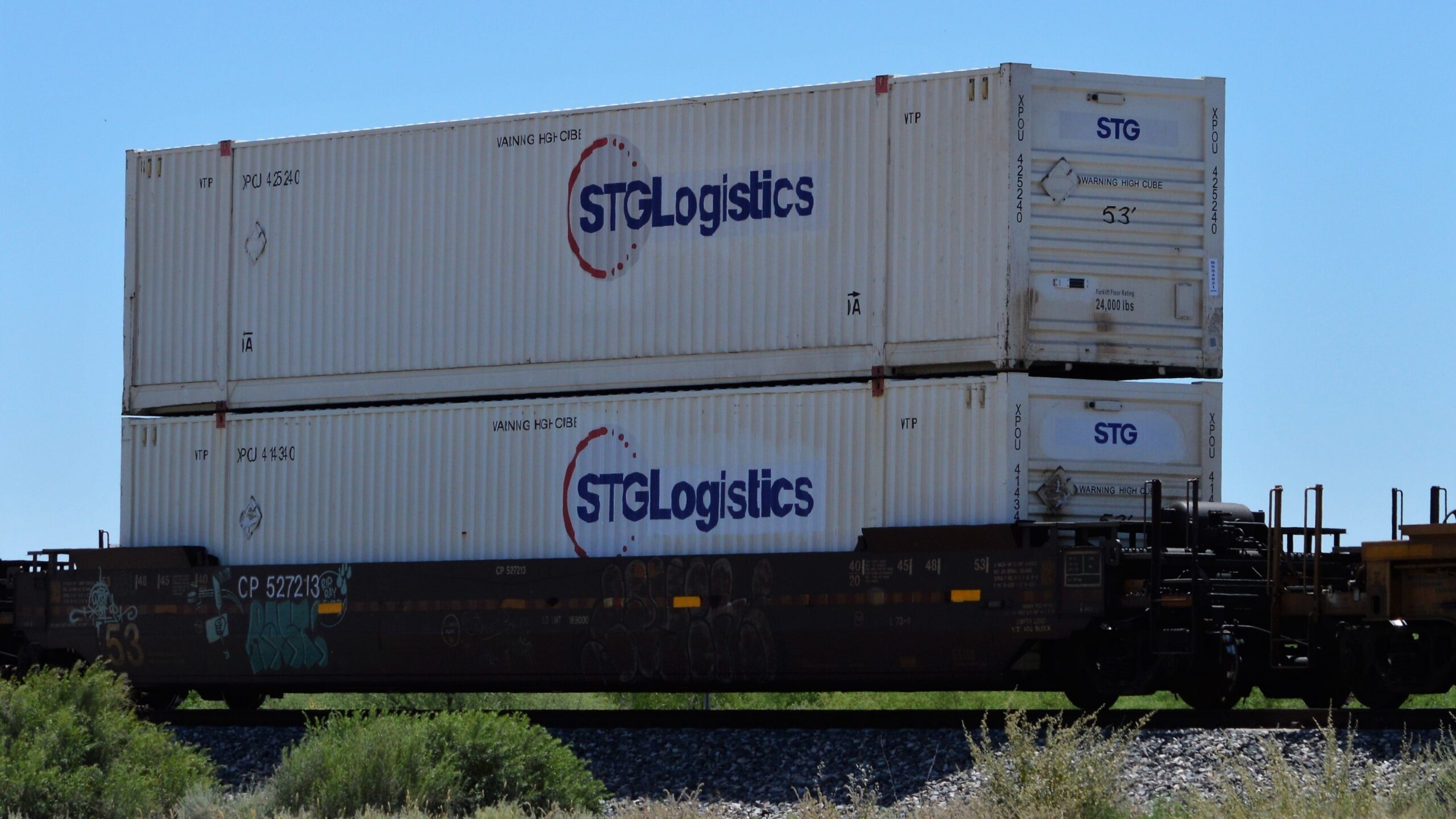
STG Logistics Nears Bankruptcy Exit After Lender Deal STG Logistics has announced a deal with its lenders that brings the intermodal container drayage specialist close to exiting bankruptcy. The development is notable as STG operates across major U.S. port corridors; its restructured balance sheet could enable it to compete more aggressively for port drayage volume as Hormuz-rerouted vessels continue to drive elevated container throughput at West and Gulf Coast terminals.
Trump Administration Ties Tariff Relief to U.S. Steel Sourcing The Trump administration has conditioned new tariff relief packages on commitments to shift steel procurement to domestic U.S. producers, FreightWaves reported this week. The move adds complexity to supply chain planning for manufacturers and construction-sector importers who had been hoping for broader relief on steel and aluminum tariffs heading into Q2.
Logistics & Warehousing
Logistics Layoffs Top 800 as Contracts Unwind Across Trucking and Warehousing Cumulative logistics-sector layoffs have surpassed 800 positions in recent weeks as contract non-renewals accelerate across both trucking and warehousing operations. The cuts reflect shippers rationalizing their 3PL relationships amid softened retail import volumes, with warehouse operators in particular facing excess capacity built up during the 2024–2025 tariff-driven pull-forward surge.
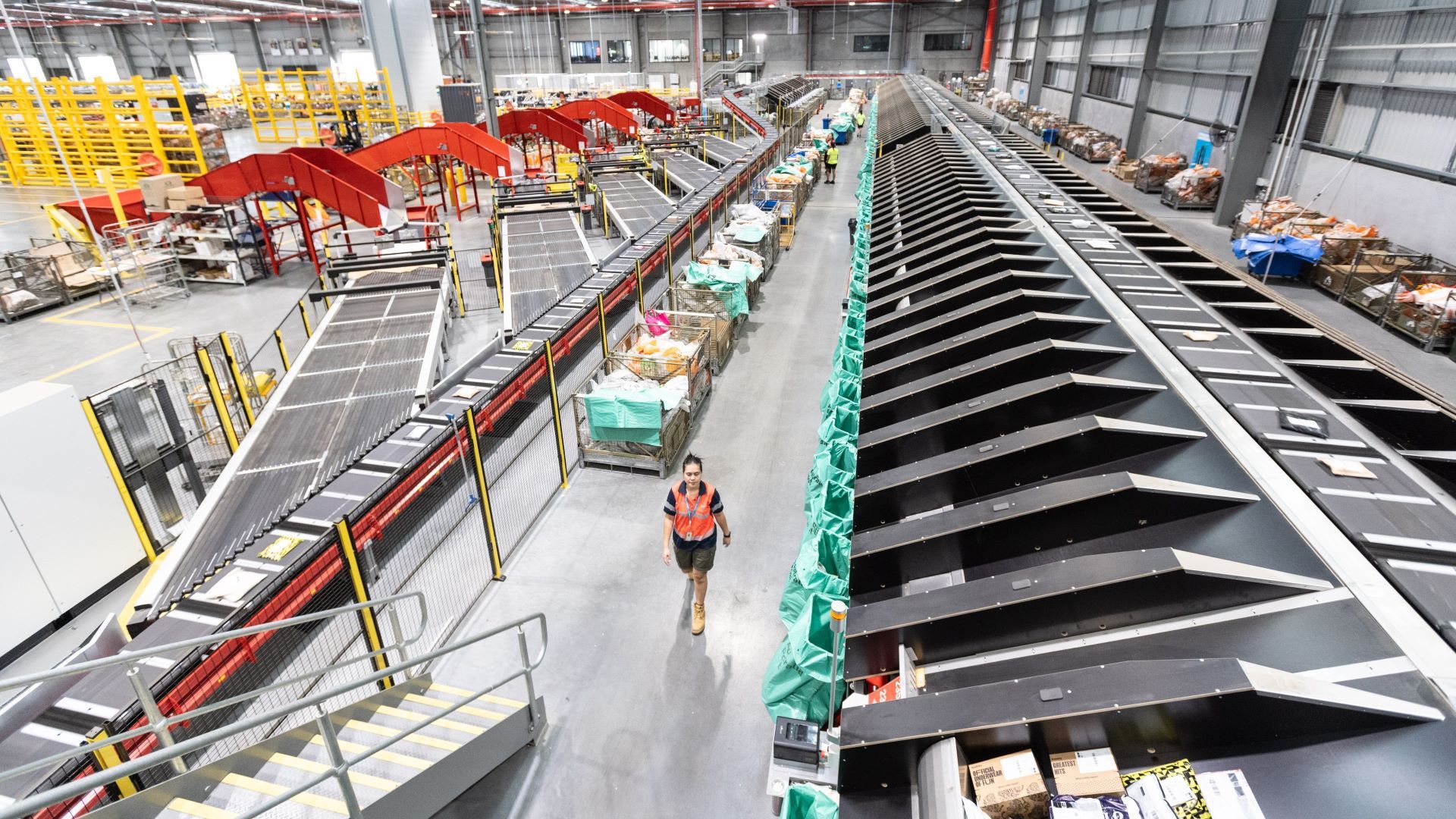
Australia Post Opens Major Air Parcel Hub at Brisbane Airport Australia Post has inaugurated a large-scale air parcel processing hub at Brisbane Airport, significantly expanding e-commerce fulfillment capacity for the Asia-Pacific corridor. The facility is designed to handle surging cross-border parcel volumes driven by continued growth in direct-from-Asia e-commerce, a trend accelerated by ongoing ocean freight disruptions that have pushed some lightweight goods onto air cargo networks.
Technology & Innovation
Accenture Ventures Backs General Robotics to Accelerate AI-Powered Autonomous Operations Accenture Ventures has made a strategic investment in General Robotics and its GRID platform, which unifies robots from multiple manufacturers under a single deployable AI layer for autonomous industrial operations. The investment signals growing enterprise appetite for vendor-agnostic robotics orchestration — a critical capability as warehouses increasingly run mixed fleets of AMRs, robotic arms, and autonomous forklifts from different OEMs.
EPG Integrates Locus Robotics AMRs Into Warehouse Management System Logistics software provider EPG has completed integration of Locus Robotics autonomous mobile robots (AMRs) directly into its warehouse management system (WMS), enabling real-time task orchestration that cuts picker travel time and scales operations dynamically with order volume. The integration represents a growing trend of WMS vendors embedding robotics control natively — reducing the middleware complexity that has historically slowed AMR deployments.
AI and the Future of Supply Chains: From Prediction to Autonomous Execution A new analysis published April 27 by The Business & Financial Times traces the evolution of AI in supply chain management — from demand forecasting and route optimization through to fully autonomous procurement and logistics execution. The piece highlights how pandemic-era supply chain failures accelerated boardroom investment in AI resilience tools, and argues that the next frontier is AI systems capable of making and executing sourcing decisions without human intervention.

What to Watch Next Week
- UP-BNSF short-line LA port rail contract: A source-reported recommendation is pending official confirmation — the decision will determine intermodal rail connectivity at the Port of Los Angeles and could affect drayage volumes across the Southern California basin.
- Trucking bankruptcy filings: With small fleets and brokers under accelerating financial pressure, watch for additional Chapter 11 or Chapter 7 filings; any significant mid-size carrier failure could tighten spot capacity abruptly.
- Diesel price trajectory: The largest benchmark diesel drop since late 2022 occurred this week — whether it holds or reverses will drive fuel surcharge adjustments across trucking contracts in early May.
- Tariff and trade policy deadlines: The Trump administration's steel-sourcing tariff relief conditions are expected to prompt formal responses from major industrial importers; any escalation or carve-out announcements could shift freight flows on North American manufacturing corridors.
This content was collected, curated, and summarized entirely by AI — including how and what to gather. It may contain inaccuracies. Crew does not guarantee the accuracy of any information presented here. Always verify facts on your own before acting on them. Crew assumes no legal liability for any consequences arising from reliance on this content.
Powered by
