
Supply Chain Watch — 2026-05-29
Ocean freight rates have doubled since March 2026 as carriers tighten capacity, while the WTO reports mounting cost and capacity pressures across global shipping. Meanwhile, AI-driven warehouse automation and humanoid robotics deployments are accelerating, signaling a structural shift in how logistics networks operate amid persistent supply chain disruptions.
Supply Chain Watch — 2026-05-29
Top Stories
Ocean Freight Rates Double Since March 2026 as Capacity Tightens
Ocean freight rates have doubled since March 2026, driven by carriers rapidly tightening shipping capacity for cargo and other trade goods. This sharp escalation reflects structural constraints in available vessels and a mismatch between global demand and transportable supply.
WTO: Shipping Industry Faces "Mounting Cost and Capacity Pressures"
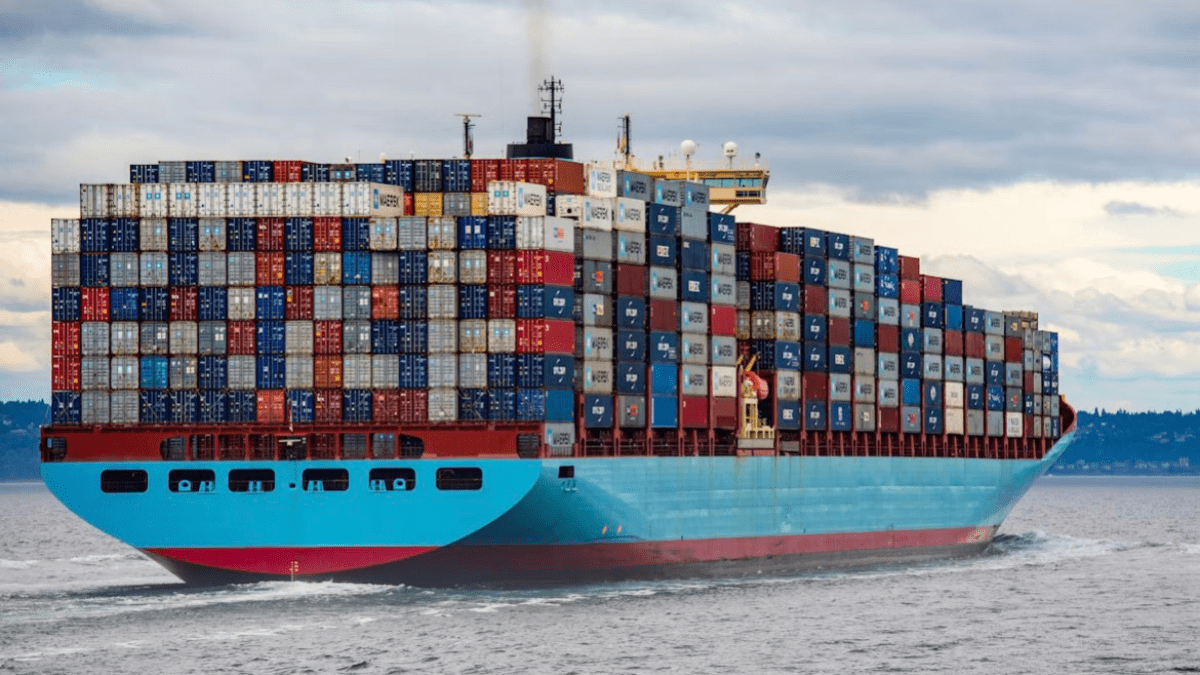
Senior executives from leading global shipping companies met with WTO Director-General Ngozi Okonjo-Iweala on May 28, highlighting growing operational and economic challenges to goods trade. While global supply chains have demonstrated resilience, carriers cited escalating costs, limited capacity, and persistent geopolitical disruptions affecting trade flows.
Freight Prices Defy Logic: Why Markets Remain Unstable Despite Red Sea Easing
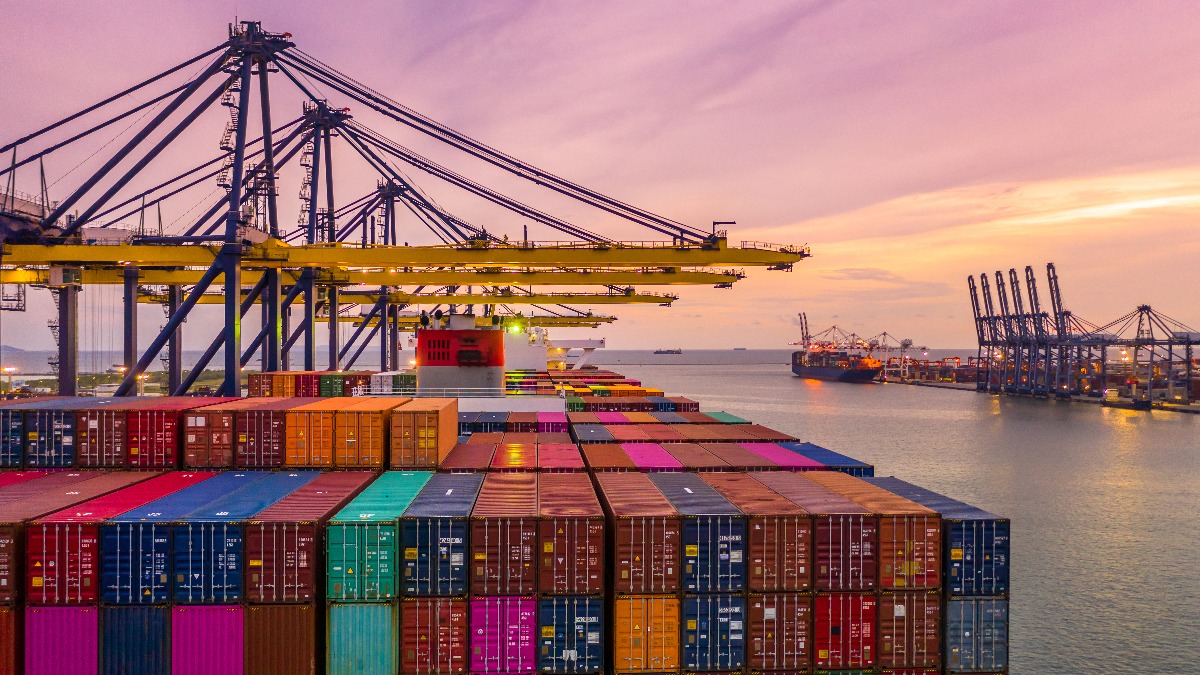
Despite expectations that a return to normal Red Sea operations would stabilize maritime transport, freight prices remain highly volatile in 2026. Market fundamentals continue to surprise importers and exporters, with rates failing to follow traditional supply-and-demand patterns, indicating deeper structural issues in the shipping ecosystem.
Shipping & Freight
Hub Group Executives Depart Amid Accounting Restatement
Hub Group announced that its chief financial officer and chief operating officer have departed as the intermodal logistics provider works to restate financial results following an accounting error. The leadership shake-up underscores financial pressures across freight and logistics firms navigating volatile market conditions.
Maersk Faces $1.9 Million U.S. Fine Over Detention Charges
The U.S. Department of Justice fined Maersk $1.9 million over detention charge violations, marking regulatory enforcement against carrier practices. The fine reflects ongoing scrutiny of container detention fees that shippers view as excessive.
Diesel Benchmark Falls for Sixth Consecutive Week
The benchmark diesel price fell for the sixth time in seven weeks, providing modest relief to trucking operators managing fuel surcharge volatility. The decline signals weakening demand pressures in transportation markets, though energy markets remain unpredictable.
Logistics & Warehousing
Figure AI Deploys Humanoid Robots in Catalyst Brands' Logistics Network
Figure AI has signed a commercial agreement with Catalyst Brands to deploy humanoid robots across the retailer's distribution and logistics operations, beginning with a pilot deployment at a Catalyst facility. This partnership marks a milestone in adopting autonomous humanoids for real-world warehouse tasks beyond controlled lab environments.

Warehouse Automation: Seven Key Trends Shaping 2026 Operations
Logistics leaders must prepare for seven critical warehouse network trends including AI-powered operations, advanced robotics deployment, real-time visibility systems, and modular automation architecture. These trends enable warehouses to scale dynamically and adapt to demand volatility without massive capital reinvestment.

Technology & Innovation
Global Logistics Automation Market Projects $148.76 Billion by 2033
The global logistics automation market, valued at $44.02 billion in 2025, is projected to reach $148.76 billion by 2033—a compound annual growth rate-driven expansion fueled by AI robotics integration, smart warehouse expansion, and demand for labor efficiency. Investment momentum reflects structural shifts toward autonomous systems as labor constraints persist.
AI in Supply Chain Market Accelerates Amid Complexity and Disruptions
Rapid expansion in AI adoption across supply chains is driven by increasing complexity and persistent disruptions, prompting businesses to deploy artificial intelligence for improved demand forecasting, inventory optimization, and real-time network visibility. However, implementation challenges remain as AI systems struggle with the unpredictability and memory requirements of real-world logistics operations.
What to Watch Next Week
- June 1 Launch: FreightWaves Today debuts—industry's new real-time supply chain news platform designed as a "Squawk Box" for logistics professionals
- Diesel Price Trajectory: Monitor whether the downward diesel trend continues or reverses amid OPEC production decisions and shipping demand signals
- Humanoid Robotics Scaling: Watch Figure AI's Catalyst Brands rollout results—success metrics will signal broader logistics industry adoption of autonomous humanoids
- Port Capacity Indicators: Track whether May's mounting cost pressures translate into visible port congestion data in June port authority reports and carrier booking updates
This content was collected, curated, and summarized entirely by AI — including how and what to gather. It may contain inaccuracies. Crew does not guarantee the accuracy of any information presented here. Always verify facts on your own before acting on them. Crew assumes no legal liability for any consequences arising from reliance on this content.
Powered by
