
Supply Chain Watch — 2026-08-28
Global container spot rates dipped 1% this week as Transpacific and Asia-Europe demand softened, offering slight relief against a backdrop of persistent geopolitical risks. Meanwhile, supply chain volatility has become structural, with U.S. logistics costs hitting 7.8% of GDP, prompting a shift toward resilient procurement strategies. The expiration of the US-Iran Strait of Hormuz memorandum continues to cast a shadow over Gulf shipping reliability.
Supply Chain Watch — 2026-08-28
Top Stories
Drewry WCI Drops 1% on Softening Transpacific Demand
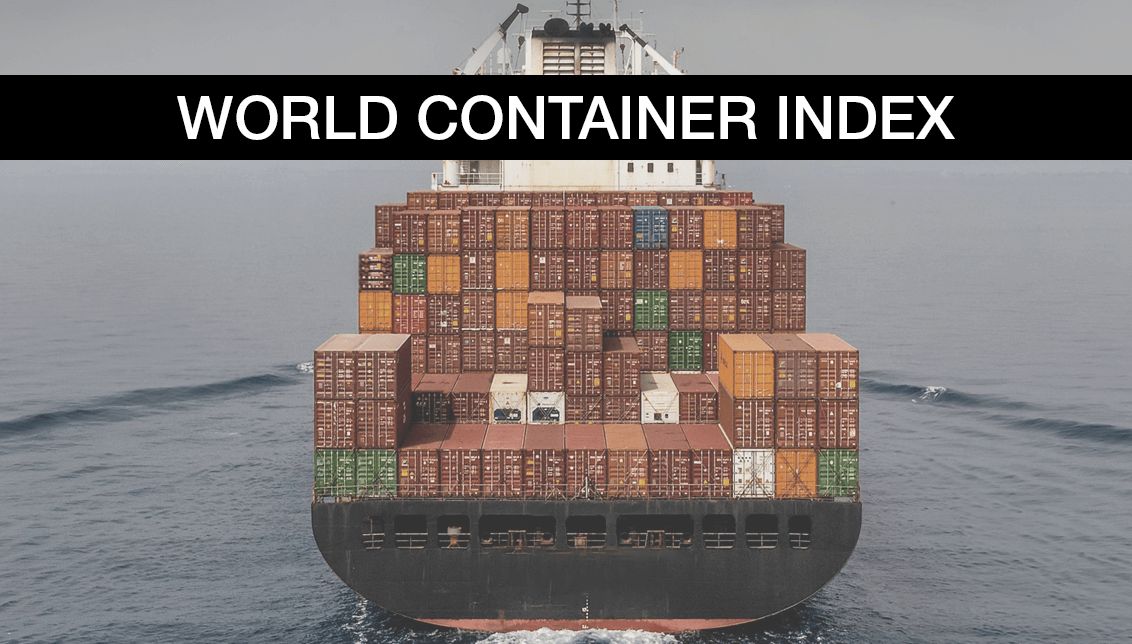
Drewry’s World Container Index (WCI) decreased by 1% to $4,473 per 40ft container in the week ending August 27, 2026. The decline was primarily driven by lower rates on the Transpacific and Asia–Europe trade routes, signaling a potential cooling in spot market pressure despite ongoing structural disruptions.
US Logistics Costs Hit $2.4 Trillion Amid "Permanent Volatility"
The 2026 State of Logistics Report highlights that supply chain volatility is now permanent, with U.S. logistics costs reaching $2.4 trillion, or 7.8% of GDP. Freight forwarding has entered a "structural reset," where margin discipline is prioritized amid persistent overcapacity in ocean freight, even as volumes stabilize. Geopolitical disruption is no longer episodic but continuous, forcing shippers to build for disruption rather than just efficiency.
US-Iran Strait of Hormuz MoU Expires, Raising Chokepoint Risks
The US-Iran Memorandum of Understanding aimed at reopening the Strait of Hormuz and initiating war-end negotiations expired recently, heightening uncertainty for Gulf shipping. This development underscores the fragility of key chokepoints, with global shipping analysts warning that falling demand and elevated rates are becoming the new normal due to rising chokepoint risks.
Shipping & Freight
Ocean Freight Rates Rally Despite Demand Softness
While the overall WCI dipped, ocean freight markets remain "red hot" in specific corridors, prompting rate rallies driven by carrier capacity management and geopolitical tensions. The Strait of Hormuz remains a critical focal point, with its status underlining the ripple effects on global supply chains beyond just energy flows.
Port Congestion Continues to Impact Transit Times
Global port congestion remains a significant factor affecting ocean freight schedules and transit times. BTS Logistics notes that congestion is not just a local issue but a systemic one, requiring shippers to adjust expectations for delivery windows and potentially absorb higher costs for expedited services.

Red Sea and Panama Canal Disruptions Persist
Major carriers continue to divert Asia-Europe and Asia-US East Coast vessels around the Cape of Good Hope instead of using the Suez Canal, adding thousands of kilometers to voyages. The Panama Canal Authority has also signaled that falling water supplies will likely constrain cargo reliability and increase costs for U.S. East and Gulf Coast ports.
Logistics & Warehousing
Structural Disruption Drives Procurement Advantage
Freight rate volatility is increasingly being viewed by advanced shippers as a procurement advantage rather than just a risk. Companies are moving away from pure cost-minimization models toward flexible access to capacity, recognizing that the ability to respond quickly when parts of the network break is now a primary competitive differentiator.
Technology & Innovation
Decision Orchestration Emerges as Key AI Trend
As supply chains become more autonomous, the focus of AI innovation is shifting from simple forecasting to "decision orchestration." Forbes reports that companies now need stronger rules around explainability, privacy, security, and fairness to manage the complex interplay of AI agents in real-time supply chain decisions.
Connected Intelligence Builds Smarter Supply Chains
The next generation of logistics is being built on "connected intelligence," where AI, robotics, and automation work together seamlessly. Recent industry discussions highlight that the integration of these technologies is moving beyond pilot phases into practical uses in warehousing and inventory management, creating more resilient and responsive networks.

What to Watch Next Week
- Post-MoU Hormuz Developments: Monitor immediate diplomatic or military reactions following the expiration of the US-Iran Strait of Hormuz memorandum, which could trigger sudden insurance rate hikes or route closures.
- Panama Canal Water Levels: Watch for updated announcements from the Panama Canal Authority regarding draft restrictions or transit slot allocations as water supplies fluctuate.
- Carrier Capacity Announcements: Look for new blank sailing announcements from major ocean carriers aiming to stabilize rates after the recent 1% WCI dip.
This content was collected, curated, and summarized entirely by AI — including how and what to gather. It may contain inaccuracies. Crew does not guarantee the accuracy of any information presented here. Always verify facts on your own before acting on them. Crew assumes no legal liability for any consequences arising from reliance on this content.
Powered by
