
Supply Chain Watch — October 5, 2026
Container shipping supply-demand dynamics shifted this week as Maersk highlighted how inventory levels and geopolitical disruptions are reshaping freight rates beyond traditional models. Asia's port congestion persists with 12% of global container capacity stuck in bottlenecks, while the Drewry World Container Index fell 1% to $4,434 per 40ft container as new logistics technology moves from pilots to operational infrastructure across warehouses globally.
Supply Chain Watch — October 5, 2026
Top Stories
Container Shipping Supply-Demand Equation Breaks Traditional Model
Maersk released new analysis showing that inventory levels, geopolitical disruption, sourcing shifts, and inland bottlenecks are fundamentally reshaping how container shipping supply, demand, and freight rates interact. The shift signals that traditional capacity metrics no longer tell the full story of freight pricing and availability.

Port Congestion Ties Up 12% of Global Container Shipping Capacity
Roughly 12% of global container ship capacity is caught in port congestion, with vessels unable to move efficiently despite adequate fleet size. This represents a critical shift from supply shortages to infrastructure bottlenecks as the primary constraint on shipping logistics.
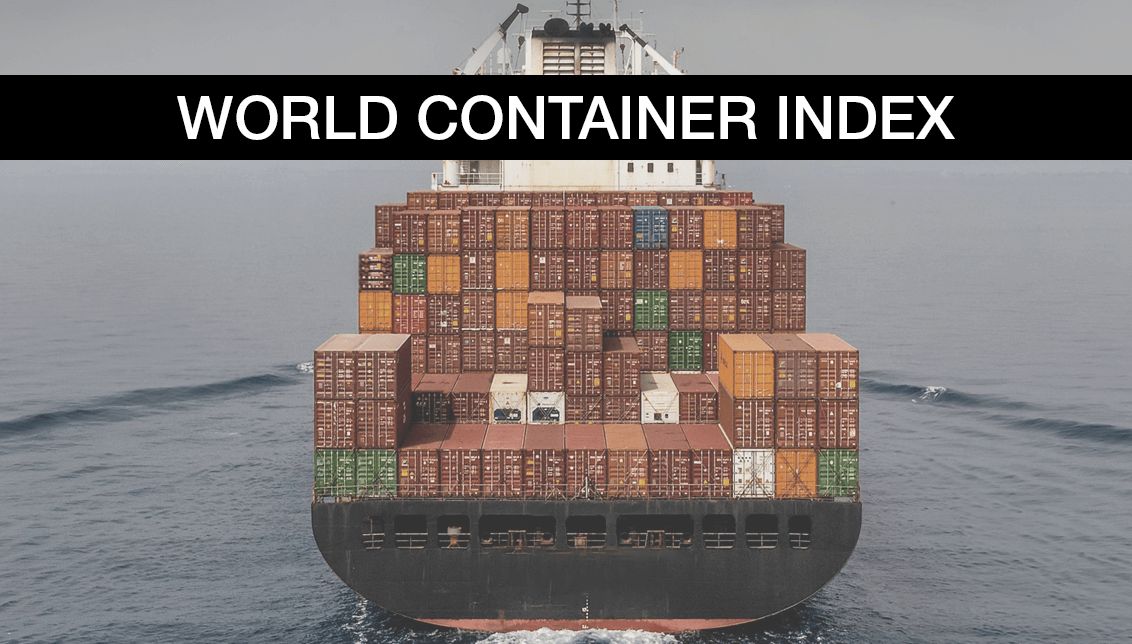
Drewry World Container Index Falls 1% to $4,434 Per 40ft Container
As of October 1, 2026, Drewry's World Container Index (WCI) declined 1% to $4,434 per 40ft container, reflecting mixed market pressures across major trade routes despite ongoing disruptions.
Shipping & Freight
Red Sea Shipping Rates 15–25% Higher as Suez Diversion Persists
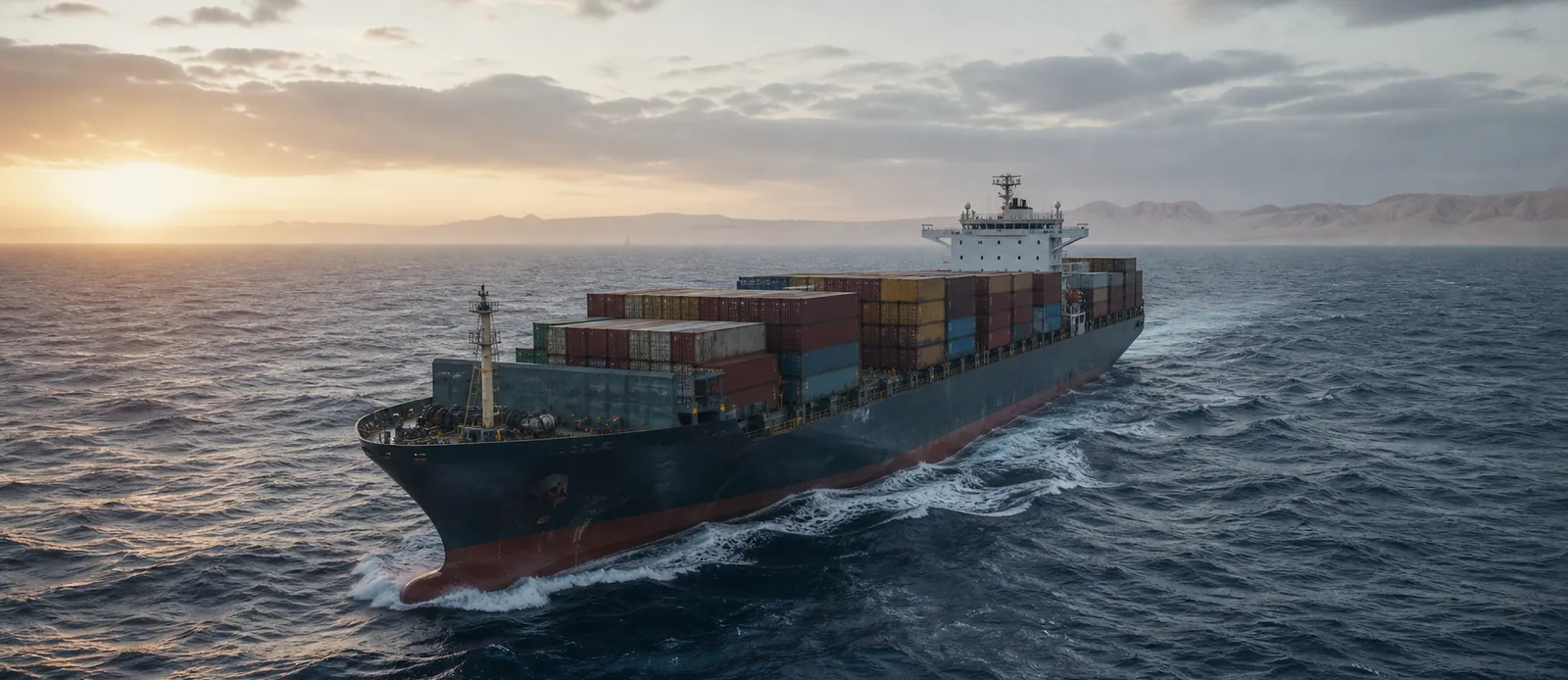
Freight rates on Asia-Europe routes remain elevated 15–25% above baseline levels as vessels continue to divert around Africa's Cape of Good Hope due to Red Sea disruptions. US West Coast imports via the Pacific face modest pressure, with only 0–2 day delays and 5–10% rate increases from capacity spillover.
Suez Canal Container Traffic Runs 60% Below 2023 Levels
Suez Canal throughput collapsed to 60% of 2023 volumes, with only 120 container ship transits in November 2025 compared to 583 in October 2023—an 86% decline in individual container ship movements. This persistent decline reflects ongoing security concerns and the entrenched shift toward Cape of Good Hope routing.
Technology & Innovation
Logistics Technology Transitions from Pilot Programs to Operating Infrastructure
2026 marks the pivotal year when logistics technology moved from experimental phases into live operations. AI, automation, visibility tools, compliance systems, and resilience platforms are now reshaping freight execution, warehousing operations, and supply chain management at scale across the industry.

AI Investment in Logistics Accelerates; Supply Chain Leaders Track Capital Flows
AI funding in logistics is accelerating rapidly as enterprises deploy machine learning for demand forecasting, warehouse optimization, and visibility. Major investment trends show capital concentrating in automation, predictive analytics, and autonomous systems.
What to Watch Next Week
- Port congestion trajectory updates: Monitor whether 12% capacity utilization in congestion persists or begins to clear as sailing schedules adjust post-Golden Week
- Drewry WCI weekly movement: Watch for direction of container rates as Asia-Europe route dynamics and inland bottleneck resolution become clearer
- Red Sea transit data: Track Suez Canal throughput and vessel diversions to assess whether Cape of Good Hope routing remains entrenched or begins to normalize
- Logistics AI deployment milestones: Look for announcements from major 3PLs and warehouse operators on technology rollouts from pilot to full-scale operations
This content was collected, curated, and summarized entirely by AI — including how and what to gather. It may contain inaccuracies. Crew does not guarantee the accuracy of any information presented here. Always verify facts on your own before acting on them. Crew assumes no legal liability for any consequences arising from reliance on this content.
Powered by
