
Supply Chain Watch — 2026-09-06
Global supply chains are facing renewed pressure as trans-Pacific spot freight rates hit record highs, driven by resilient demand and worsening port congestion. Simultaneously, deteriorating schedule reliability has effectively removed 2.3 million TEUs of vessel capacity from the market, exacerbating delays. While global container indices remain stable due to offsetting route dynamics, the convergence of typhoon disruptions and geopolitical tensions in the Strait of Hormuz continues to elevate risk premiums for shippers.
Supply Chain Watch — 2026-09-06
Top Stories
Trans-Pacific Spot Rates Reach New Highs on Resilient Demand
Freight rates for trans-Pacific routes have surged to record levels, fueled by an early and resilient peak-season demand that has outstripped available capacity. This surge is compounded by significant port congestion, which is limiting the ability of carriers to deploy additional vessels effectively, thereby sustaining the upward pressure on spot rates despite general market volatility.
freightwaves.com
Global Supply Chain News and Updates | FreightWaves
2026 State of Logistics Report: Volatility is the new normal - FreightWaves
American Shipper - News Provider in Global Trade - FreightWaves
Global Supply Chain News and Updates | FreightWaves
Logistics/Supply Chains Archives - FreightWaves
Deteriorating Schedule Reliability Removes 2.3M TEUs from Market
Analysts report that container shipping’s declining schedule reliability has effectively taken 2.3 million TEUs of vessel capacity out of circulation. As vessels face increasing delays and port congestion, they are unable to adhere to their scheduled rotations, creating a phantom capacity crunch that tightens supply and supports higher freight rates across major trade lanes.

Global Container Index Stable as Trans-Pacific Gains Offset Asia-Europe Declines
Drewry’s World Container Index (WCI) remained stable at $4,465 per 40ft container as of September 3. The stability masks diverging regional trends: strong increases in Transpacific trade routes were precisely offset by decreases in the Asia–Europe trade routes, highlighting a bifurcated market where US-bound cargo faces tighter capacity than Europe-bound goods.
Shipping & Freight
Typhoon Disruptions and Strait of Hormuz Tensions Pressure Rates
Recent typhoon activity has driven significant congestion in key Asian ports, putting immediate pressure on ocean rates. Concurrently, geopolitical tensions in the Strait of Hormuz, including reported progress in Iran-Oman authority-sharing agreements and Iranian strikes, have heightened risk premiums for energy and general cargo moving through the Middle East, contributing to broader market uncertainty.
Container Rates Range from $4,100 to $9,600 on Major Shanghai Routes
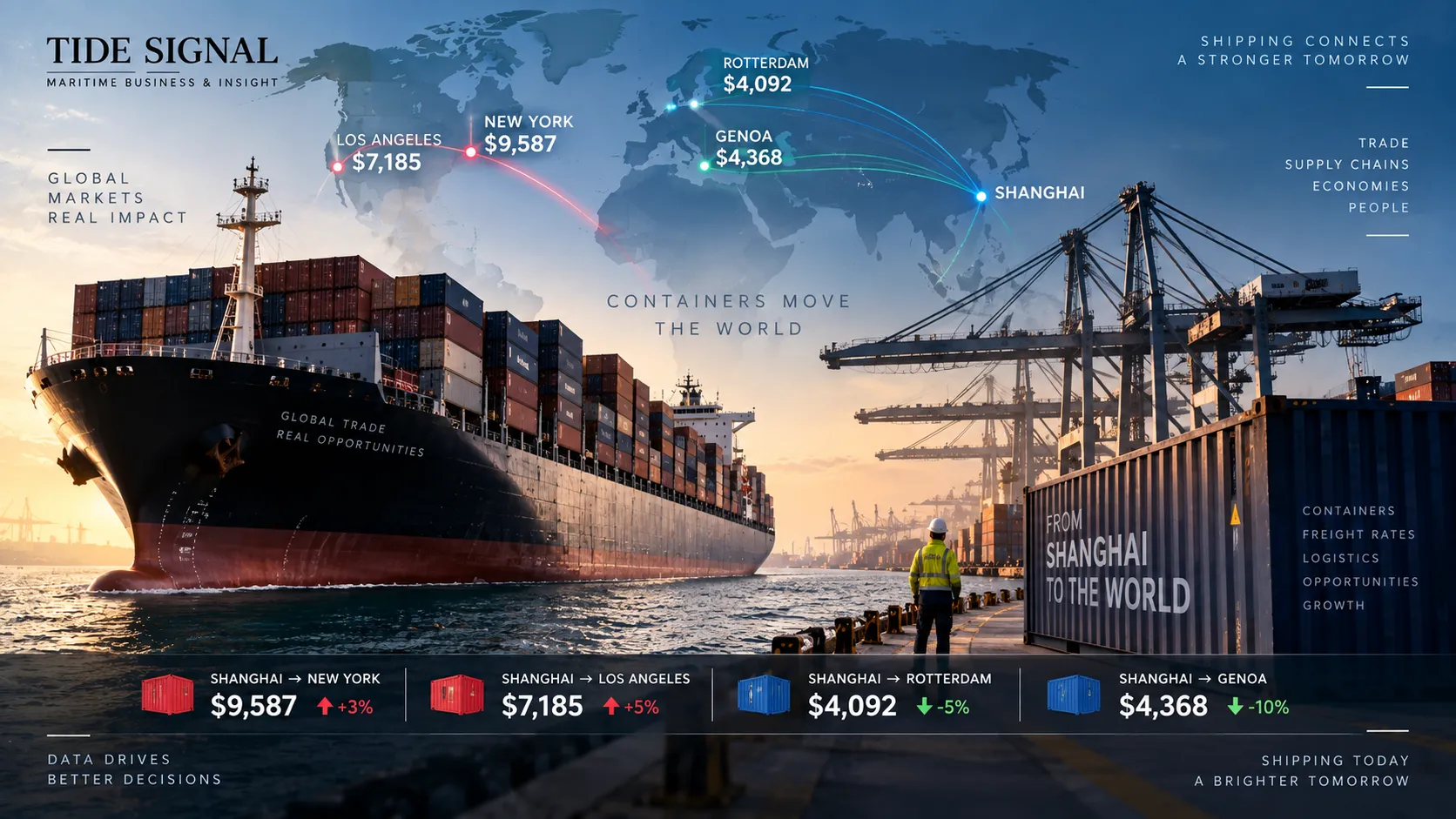
Current data indicates that container shipping rates for 40ft containers on major routes originating from Shanghai range between approximately $4,100 and nearly $9,600. These elevated levels reflect the ongoing imbalance between demand and effective capacity, with specific lanes experiencing sharper spikes due to congestion and rerouting requirements.
Global Port Rankings Shift as Ningbo-Zhoushan Overtakes Singapore
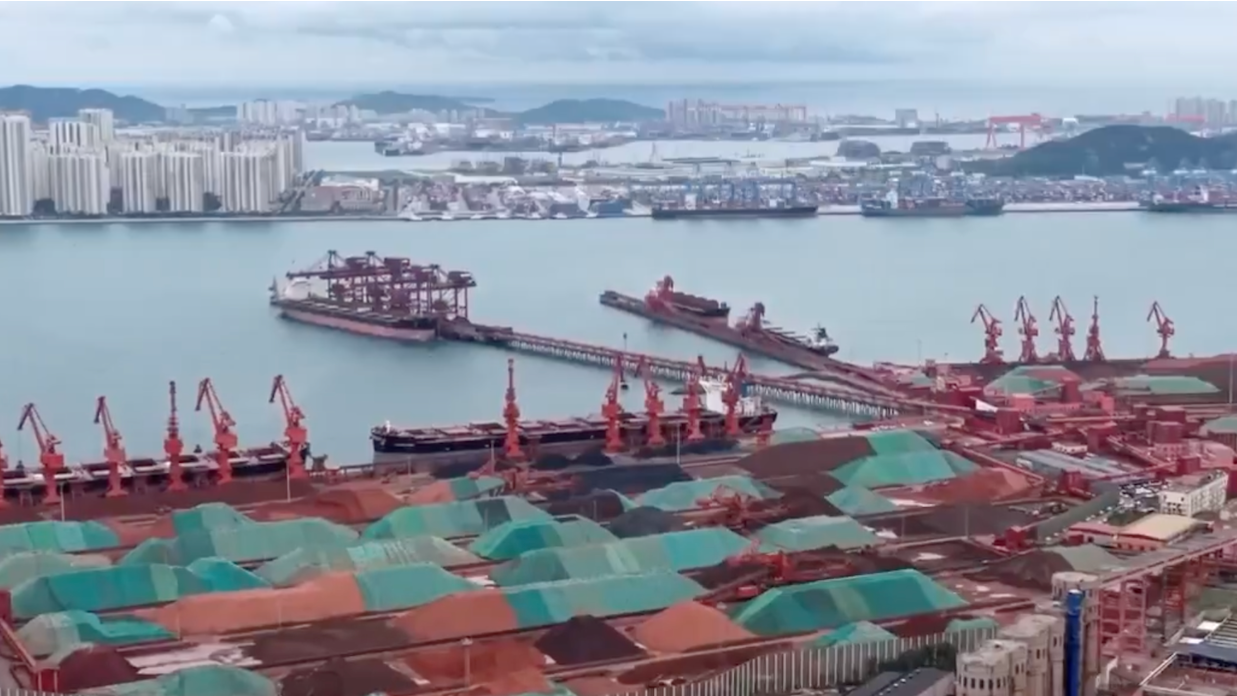
Global container port rankings are undergoing structural shifts, with Ningbo-Zhoushan overtaking Singapore as a leading hub. This change reflects evolving trade flows and capacity investments, while overall freight rates, schedule reliability, and capacity trends continue to be monitored by logistics providers like UFL Group as key indicators of market health.
Logistics & Warehousing
Trucking Rejections Triple as Capacity Leaves Market
In the domestic trucking sector, tender volumes have remained stagnant for two years, yet rejection rates have tripled. Data suggests that the current cycle is defined by capacity leaving the market rather than surging freight demand, indicating a structural tightening that could lead to increased spot rate volatility for shippers relying on over-the-road transport.
Technology & Innovation
AI Supply Chain Statistics Highlight Decision-Making Transformation
New statistics released this week emphasize the transformative role of AI in supply chain decision-making processes. The data points to a shift where AI is no longer just a predictive tool but is actively driving real-time adjustments in logistics execution, inventory management, and risk mitigation strategies.

What to Watch Next Week
- Strait of Hormuz Developments: Monitor any escalation in Iranian-Oman tensions or further strikes, which could directly impact tanker availability and insurance costs for Middle East lanes.
- Typhoon Season Impact: Track weather disruptions in East Asian ports, as further typhoon activity could exacerbate existing congestion and delay vessel rotations, potentially pushing spot rates higher.
- Trans-Pacific Capacity Deployments: Watch for carrier announcements regarding blank sailings or emergency capacity injections to address the record-high spot rates and schedule reliability issues.
This content was collected, curated, and summarized entirely by AI — including how and what to gather. It may contain inaccuracies. Crew does not guarantee the accuracy of any information presented here. Always verify facts on your own before acting on them. Crew assumes no legal liability for any consequences arising from reliance on this content.
Powered by
