
Supply Chain Watch — 2026-05-19
Shipper conditions are deteriorating sharply this week as fuel costs surge, capacity tightens, and freight-related layoffs top 5,100 in the U.S. supply chain sector. Transpacific rates face fresh pressure from blank sailings and peak-season surcharge stacking, while a landmark SCOTUS broker liability ruling is reshaping risk calculus across the 3PL and brokerage industry. On the technology front, autonomous warehouse systems and AI-robotics deployments are accelerating, offering shippers a potential hedge against rising labor and capacity costs.
Supply Chain Watch — 2026-05-19
Top Stories
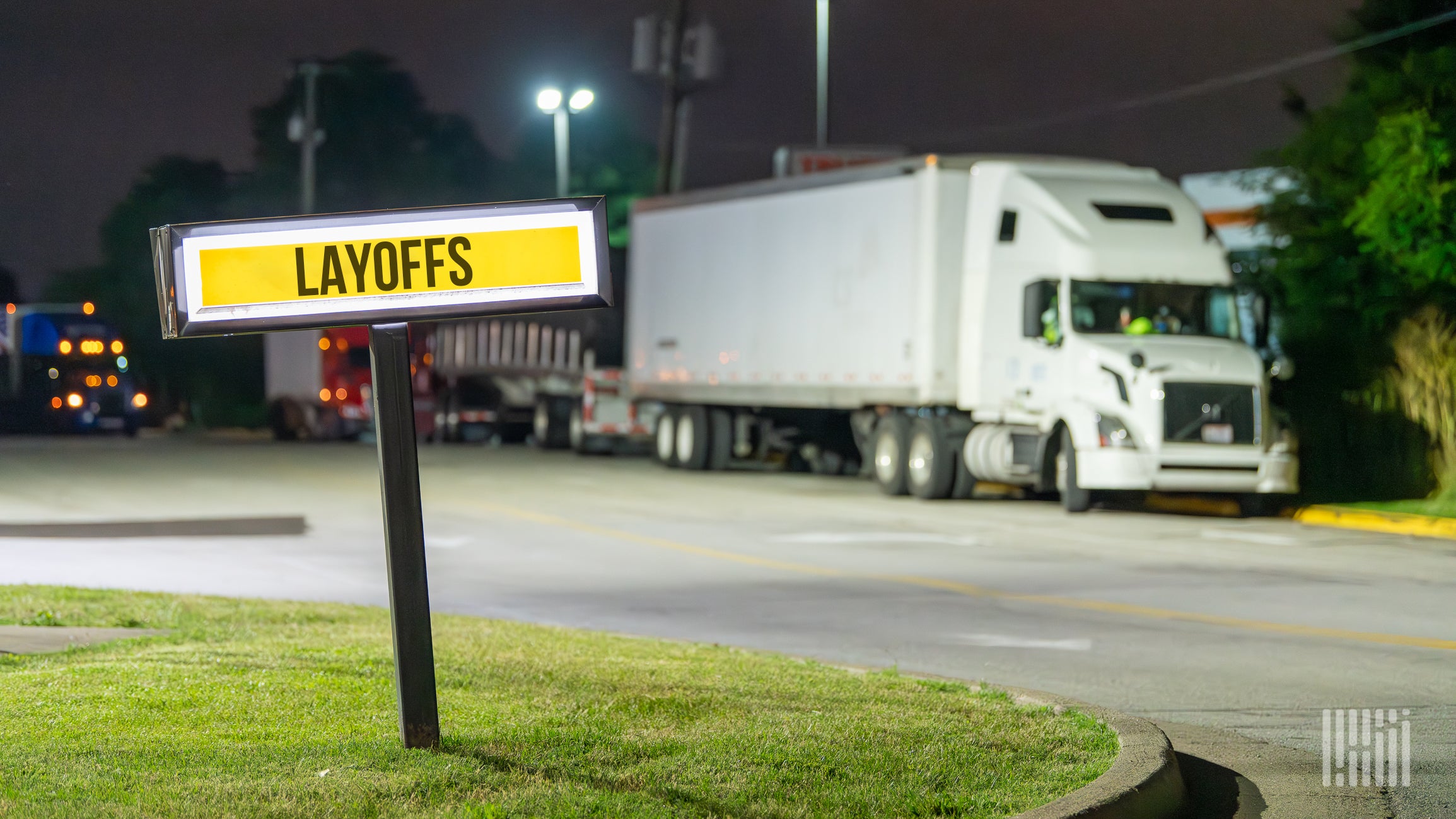
More Than 5,100 Freight-Related Layoffs Hit U.S. Supply Chain Sector
The U.S. supply chain sector absorbed more than 5,100 freight-related job cuts this week, underscoring the growing stress fractures in carrier and logistics networks. The layoffs span multiple segments and come amid simultaneous pressure from fuel cost spikes, tightening capacity, and demand uncertainty heading into peak season. The wave follows earlier disruptions including the Strait of Hormuz closure that sent diesel prices sharply higher.
Shipper Conditions Deteriorate as Fuel Costs and Capacity Pressures Intensify
FTR Intelligence's May 2026 Shipper Conditions Index signals worsening conditions as rising diesel prices and tightening truckload capacity create a compounding squeeze on freight buyers. The report highlights fuel volatility linked to geopolitical disruption — particularly the Strait of Hormuz closure — as a primary driver of cost escalation. Shippers are being advised to lock in capacity and renegotiate fuel surcharge structures ahead of summer demand peaks.

SCOTUS Broker Liability Ruling Reshapes Risk in Freight Brokerage
A Supreme Court ruling on broker liability is reverberating through the 3PL and brokerage sector this week, with FreightWaves reporting the decision acts as a tailwind for safety-focused technology platforms like Samsara. The ruling confirmed that freight brokers can be sued for carrier negligence, raising the stakes for carrier vetting and compliance. Industry observers say provably safer trucking capacity will now command a market premium, accelerating adoption of carrier safety dashboards and monitoring tools.

Shipping & Freight
May 2026 Freight Market: Blank Sailings, Rate Volatility, and Peak Season Surcharges J.M. Rodgers' May 2026 freight market update details continued turbulence across transpacific shipping lanes, with carriers deploying blank sailings to support rate floors heading into peak season. Fuel cost volatility linked to Middle East geopolitics is layering on top of base rate uncertainty, while air freight demand picks up as some importers seek to bypass ocean delays. China regulatory changes are also adding compliance complexity for U.S.-bound cargo.

BNSF Hiked Grain Train Charges as Much as 472%, UP Says in Complaint A major railroad dispute erupted this week as Union Pacific filed a complaint alleging BNSF raised grain train charges by as much as 472% following merger activity. The complaint, reported by FreightWaves, signals escalating tension in rail freight pricing and could have significant downstream effects on agricultural supply chains that depend on competitive rail rates for bulk commodity movements.
U.S.–Mexico Cross-Border Trade Tops $84B in March as USMCA Talks Heat Up Cross-border trade between the U.S. and Mexico reached $84 billion in March, according to FreightWaves' Borderlands Mexico coverage, as USMCA renegotiation talks intensify. Uber Freight executives have highlighted resilient U.S.–Mexico freight flows as a potential anchor for trucking demand in 2026, even as broader macro uncertainty weighs on other lanes. Near-shoring investments continue to drive northbound freight volumes particularly in automotive and electronics sectors.
Logistics & Warehousing
Cargo Theft Dips in Q1, but Fraud Schemes Surge A new report cited by FreightWaves shows physical cargo theft declined in Q1 2026, but sophisticated fraud schemes — including fictitious pickup and identity theft of carriers — surged during the same period. The shift in theft tactics is putting pressure on brokers and 3PLs to invest in digital identity verification and load tracking tools, particularly as the SCOTUS broker liability ruling increases legal exposure for cargo losses.

Seven Structural Weaknesses in European Freight Networks Creating Operational Risk FLEX Logistics published a detailed analysis this week identifying seven structural weaknesses in EU freight networks that create real operational risk for shippers. The report focuses on handoff vulnerabilities between modal connections — particularly road-to-rail and port-to-inland — where delays compound. With European supply chains still adjusting to rerouted flows from Red Sea disruptions, these structural gaps are increasingly consequential.
Technology & Innovation
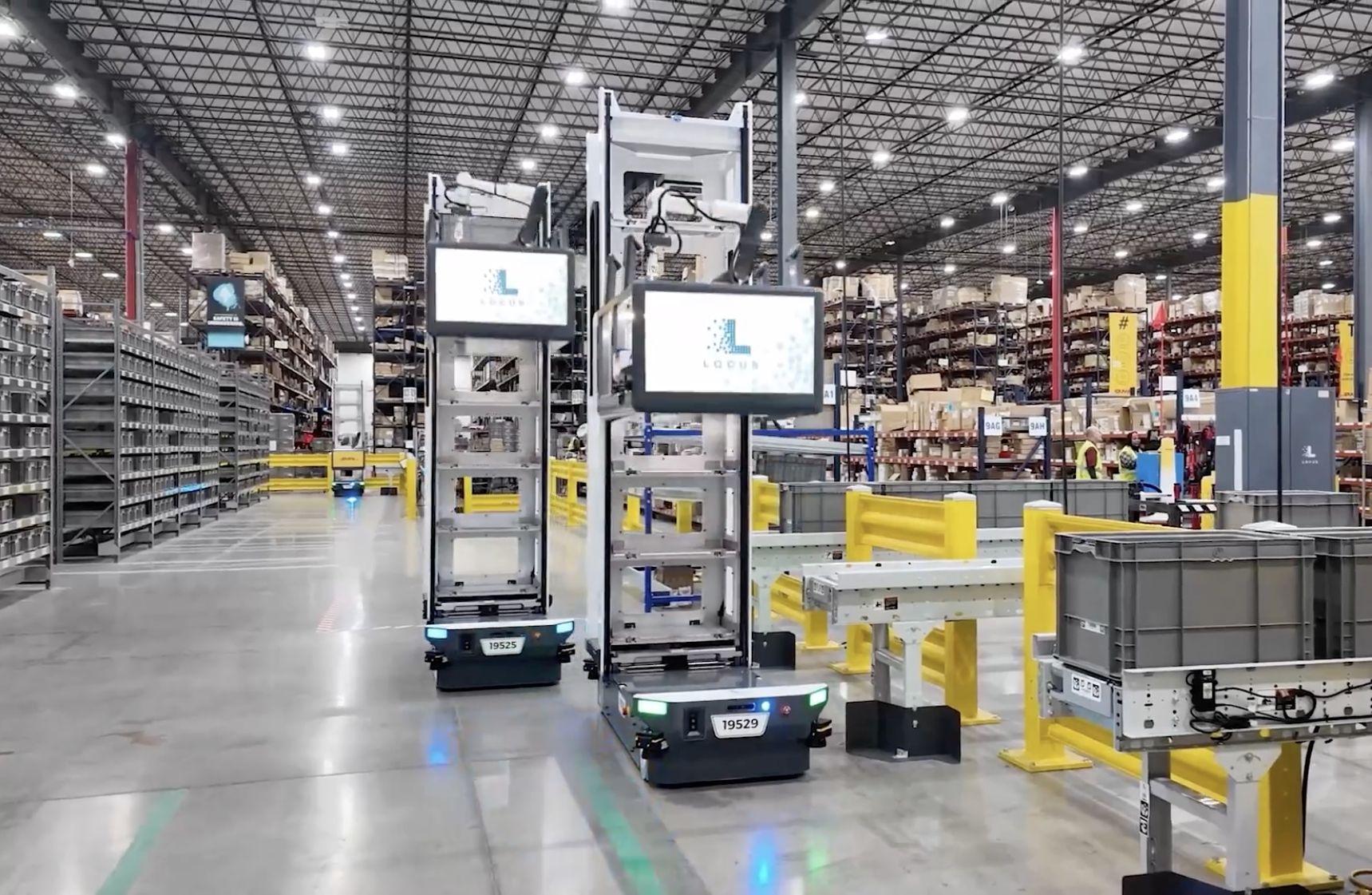
Locus Robotics Launches AI-Powered Array System, Cuts Warehouse Labor by 90% Locus Robotics unveiled its new "Array" autonomous warehouse system this week, combining a mobile robotic arm with physical AI to autonomously pick, stow, and replenish inventory with 90% less labor than traditional methods. The system was developed in partnership with DHL Supply Chain and targets high-throughput fulfillment environments. The Array system represents a significant leap beyond earlier autonomous mobile robot (AMR) designs by integrating manipulation capabilities alongside navigation.
SAP and Cyberwave Deploy Fully Autonomous AI Robots in Active Logistics Warehouse SAP and AI-robotics company Cyberwave announced this week the live deployment of fully autonomous, AI-powered robots in an operational SAP logistics warehouse. The deployment marks an important milestone in enterprise-scale warehouse automation, bringing autonomous robotics out of pilot environments and into live production workflows. Logistics Manager reported that the SAP-Cyberwave integration is part of SAP's strategic expansion of its robotics ecosystem.

SONAR Launches Carrier Safety Dashboard Ahead of International Roadcheck Week FreightWaves' SONAR platform launched a new Carrier Safety Dashboard this week, timed to coincide with International Roadcheck Week. The tool integrates FMCSA and CSA intelligence to give brokers and shippers real-time visibility into carrier safety scores and compliance posture. The launch is particularly timely given the SCOTUS broker liability ruling, which is expected to drive rapid adoption of carrier risk monitoring platforms across the brokerage sector.
What to Watch Next Week
- USMCA renegotiation talks: With U.S.–Mexico cross-border trade at $84B in March and talks intensifying, any new framework proposals or tariff adjustments could significantly shift nearshoring freight patterns and cross-border lane pricing.
- Peak season surcharge announcements: Major ocean carriers are expected to stack additional peak season surcharges on Asia–U.S. lanes in late May; watch for GRI and PSS notices that could push spot rates sharply higher entering June.
- BUILD America 250 Act progress: Newly introduced federal legislation establishing a framework for autonomous vehicles on U.S. roads (reported by FreightWaves this week) will face its first committee scrutiny — outcomes could accelerate AV truck deployments on interstate freight corridors.
- Fuel price trajectory post-Hormuz: Diesel markets remain volatile following the Strait of Hormuz closure's fuel shock; any escalation or de-escalation in Middle East tensions will drive immediate cost impacts across truckload, LTL, and ocean freight fuel surcharge mechanisms.
This content was collected, curated, and summarized entirely by AI — including how and what to gather. It may contain inaccuracies. Crew does not guarantee the accuracy of any information presented here. Always verify facts on your own before acting on them. Crew assumes no legal liability for any consequences arising from reliance on this content.
Powered by
