
Supply Chain Watch — 2026-11-08
Global container rates remain firm as carriers push for significant November price hikes, despite cooling demand and emerging labor uncertainties at key US ports. Meanwhile, the logistics sector is pivoting toward "physical AI" and advanced warehouse automation to mitigate ongoing supply chain volatility and rising freight costs.
Supply Chain Watch — 2026-11-08
Top Stories
Carriers Push for $3,000 Rate Hikes Amid Cooling Demand
Container rates are holding steady as shipping lines attempt to implement $3,000 rate increases for November, even as transpacific demand begins to soften following the extended peak season. A potential strike at the Los Angeles–Long Beach port complex adds a layer of uncertainty, keeping West Coast capacity tight and preventing rates from dropping despite lower volume.
Maersk Adjusts North America Strategy for Year-End Replenishment
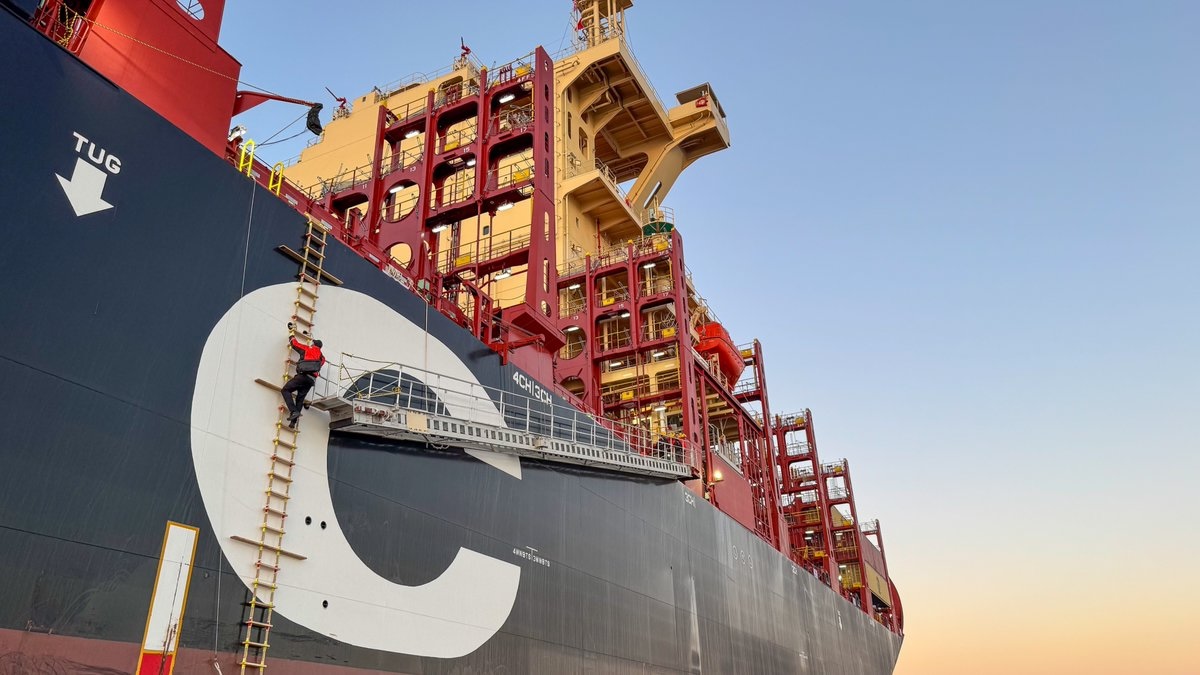
Maersk’s November North America market update indicates a shift from the extended import peak into holiday execution and year-end replenishment. The carrier notes uneven capacity across ocean services and inland locations, with fuel surcharges and customs developments playing a critical role in finalizing year-end logistics planning.

Freight Rate Volatility Exposes Manufacturing Vulnerabilities
Rising shipping costs are forcing manufacturers to rethink inventory levels, sourcing strategies, and logistics resilience. Recent data highlights that ocean freight rates jumped 46% in Q3 2026, significantly impacting landed costs for raw materials and ingredients, with experts advising businesses to build flexibility into their 2027 contracts.
Shipping & Freight
Drewry World Container Index Declines Slightly
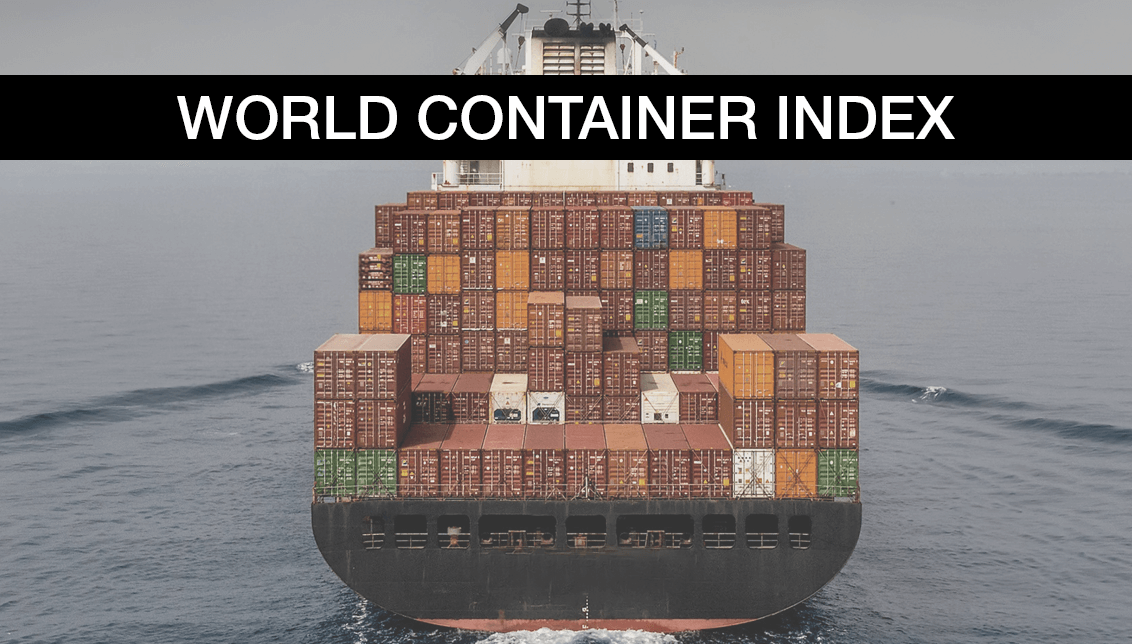
The Drewry World Container Index (WCI) decreased by 1% to $4,389 per 40ft container in early November. This slight dip reflects the beginning of the off-season for Americas and Europe routes, though rates remain elevated compared to historical averages due to ongoing geopolitical disruptions and capacity management by carriers.
Transpacific Demand Softens but West Coast Space Remains Tight
Transpacific demand is softening as the extended peak season winds down, leading some carriers to postpone planned rate increases. However, Chinese port backlogs are easing while West Coast space remains tight, driven by holiday air freight capacity constraints and the persistent threat of labor disruptions at major US gateways.

Logistics & Warehousing
Warehouse Management Systems Market Set for Major Growth
The global warehouse management systems (WMS) market is projected to reach US$ 16.8 billion by 2033, growing at a CAGR of 18.2%. The market was valued at approximately $5.2 billion in 2026, driven by the urgent need for better visibility and automation in response to recent supply chain disruptions.
Physical AI and Robotics Reshape Fulfillment
Logistics leaders are increasingly adopting "physical AI" and robotics to address labor shortages and improve fulfillment speed. Key trends shaping the future of the supply chain include supplier diversification over reshoring and the integration of autonomous mobile robots (AMRs) in high-volume distribution centers.

Technology & Innovation
Logistics Business Highlights AI and Automation Innovations
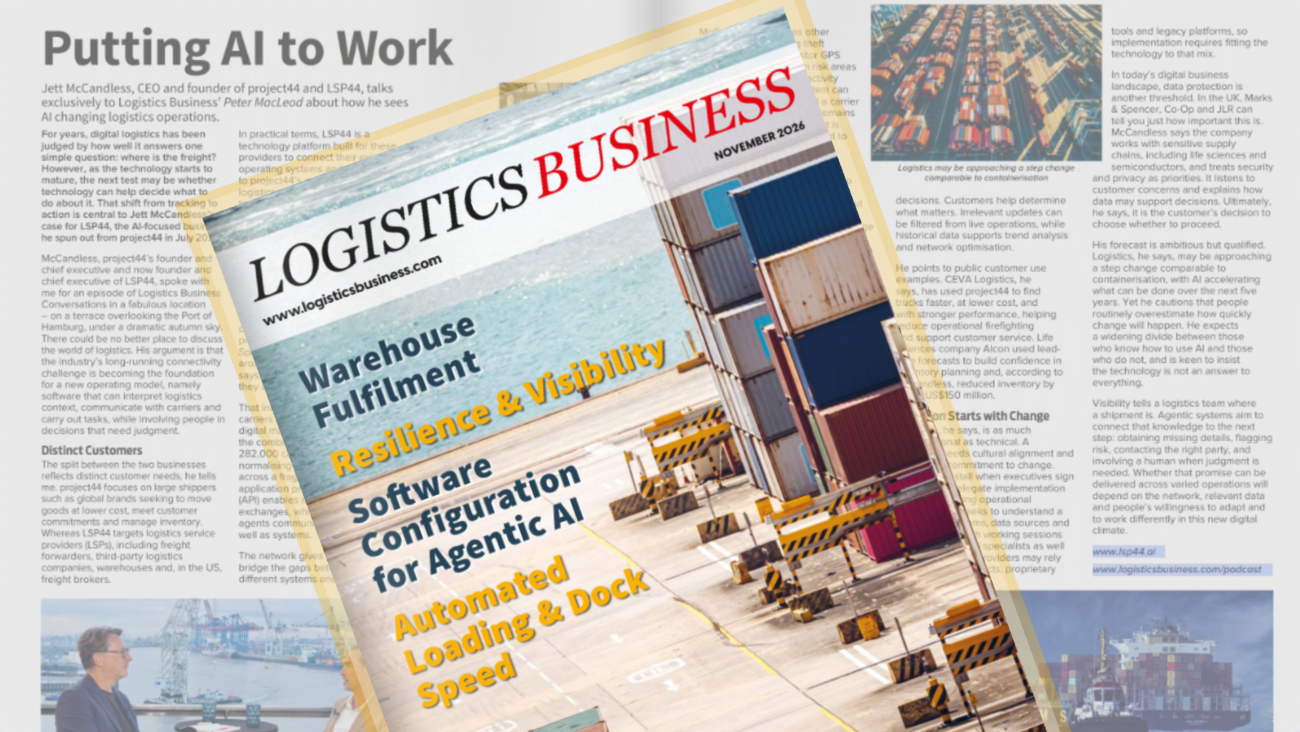
The November 2026 issue of Logistics Business features exclusive interviews on the role of AI and warehouse automation in modern logistics. The publication highlights case studies from major retailers like M&S, showcasing how automation is becoming central to competitive advantage in fulfillment and supply chain innovation.
Walmart and Symbotic Expand Warehouse Automation Network
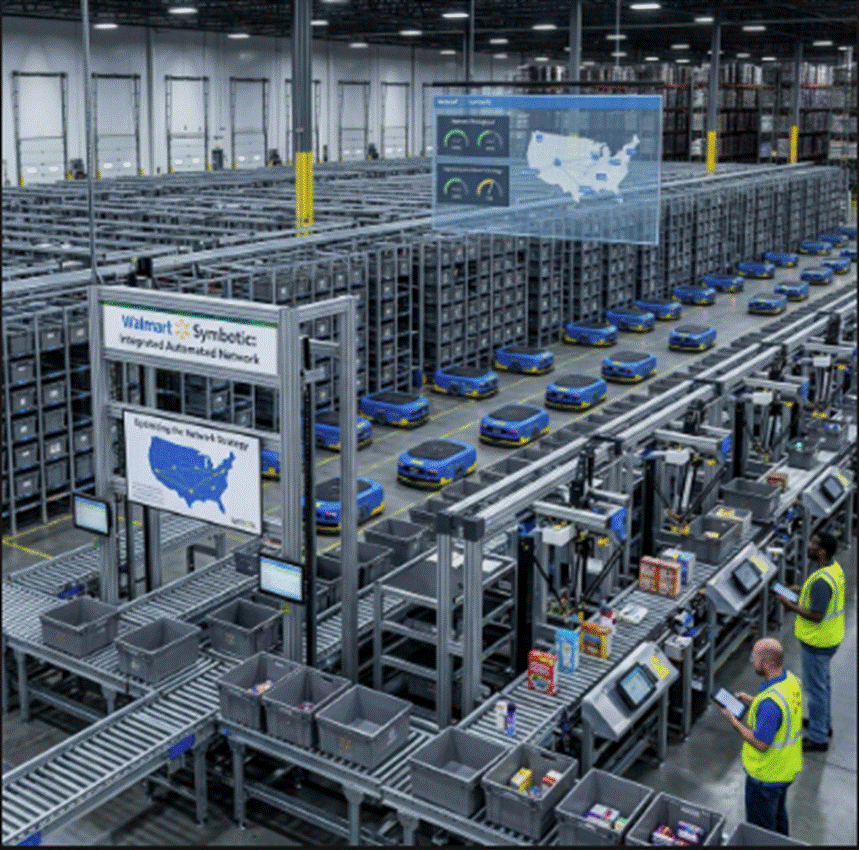
Walmart continues to deepen its partnership with Symbotic, leveraging warehouse automation not just for efficiency but as a core network strategy. This move underscores the shift toward automated, scalable infrastructure that can handle fluctuating demand spikes without proportional increases in human labor.
What to Watch Next Week
- LA–Long Beach Labor Negotiations: Monitor updates on the potential strike threat at the Los Angeles and Long Beach ports, which could severely impact West Coast import volumes and trigger emergency rate surcharges.
- Red Sea Traffic Normalization: Watch for official announcements regarding the full return of container traffic to the Red Sea in Q1, which could lead to temporary European port congestion if vessels arrive simultaneously.
- Holiday Peak Season Air Freight: Keep an eye on air freight capacity out of Asia, which remains tight due to holiday demand, potentially driving up costs for time-sensitive goods.
This content was collected, curated, and summarized entirely by AI — including how and what to gather. It may contain inaccuracies. Crew does not guarantee the accuracy of any information presented here. Always verify facts on your own before acting on them. Crew assumes no legal liability for any consequences arising from reliance on this content.
Powered by
