
Supply Chain Watch — 2026-10-22
Global supply chains face renewed pressure as Asian port congestion is projected to persist for ten months, while U.S. West Coast ports experience record dwell times due to an extended peak season. Meanwhile, the Red Sea remains a critical chokepoint with container traffic only expected to fully return in Q1 2027, and global container freight rates have surged 130% since February 2026 amid Middle East tensions.
Supply Chain Watch — 2026-10-22
Top Stories
Asian Port Congestion Projected to Last 10 Months
Record cargo volumes from China, combined with typhoon backlogs and Golden Week sailing cuts, are causing port congestion in Asia that could persist into summer 2027. This structural strain is severely limiting shipping capacity and delaying global supply chain recovery.
Global Container Freight Rates Surge 130%
Container freight prices have increased by 130% since February 2026, driven largely by Middle East tensions and ongoing disruptions in key maritime routes. India’s container-based export-import trade saw a 23% increase in September, with exports to the United States growing significantly despite the broader global volatility.
Red Sea Traffic Return Delayed Until Q1
Ocean logistics trends remain confusing as Iranian attacks continue, though Hormuz traffic has increased. However, a full return of container traffic to the Red Sea is not expected until the first quarter of next year, keeping Asia-Europe routes diverted around the Cape of Good Hope.
Shipping & Freight
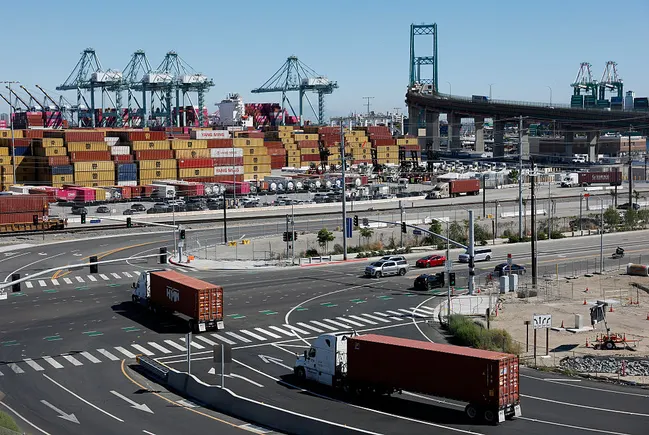
Record Dwell Times at San Pedro Bay Ports
The Pacific Merchant Shipping Association reported that record volumes in September pushed up the time cargo remained idle at San Pedro Bay Ports. This extended peak season has led to high dwell times for both rail and truck transport, signaling continued congestion on the U.S. West Coast.
Grain Freight Rates Rising Amid Route Disruptions
Rising grain freight rates are being driven by Panama Canal restrictions and Black Sea disruptions. These factors are altering U.S. corn, wheat, and soybean export costs and forcing shifts in global trade routes for agricultural commodities.

Logistics & Warehousing
Digital Workforce Readiness Critical for 3PL Ramp-Ups
As third-party logistics (3PL) providers manage rapid ramp-ups, digital workforce readiness is becoming as critical as physical automation. Ensuring that staff can effectively utilize digital tools is essential for maintaining efficiency during peak demand periods.
Technology & Innovation
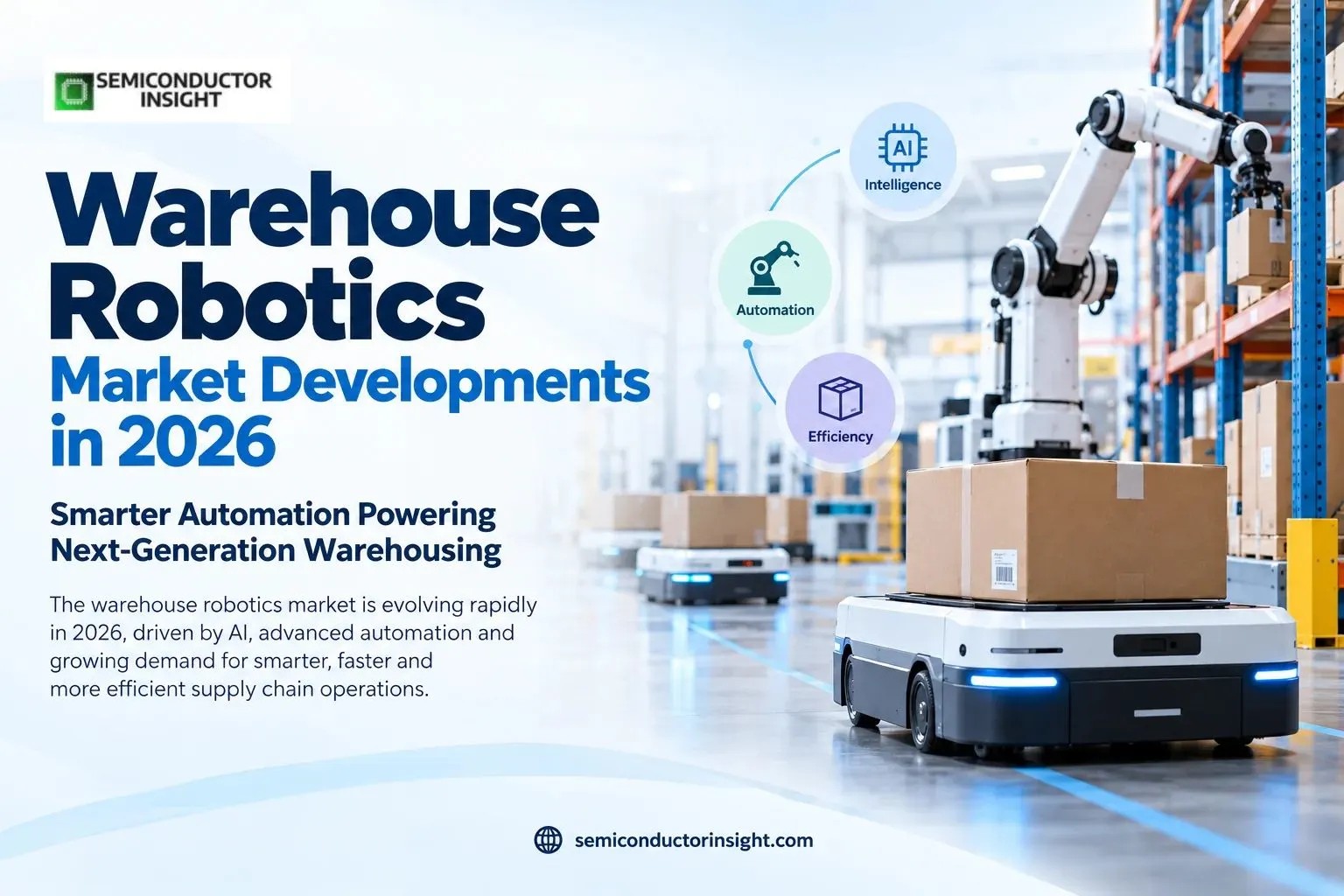
Warehouse Robotics Enters New Phase of Intelligent Fulfilment
The warehouse robotics market is moving beyond basic conveyor systems and programmed material handling. In 2026, developments reveal a new phase of intelligent fulfillment, particularly in e-commerce centers, driven by advanced AI integration.
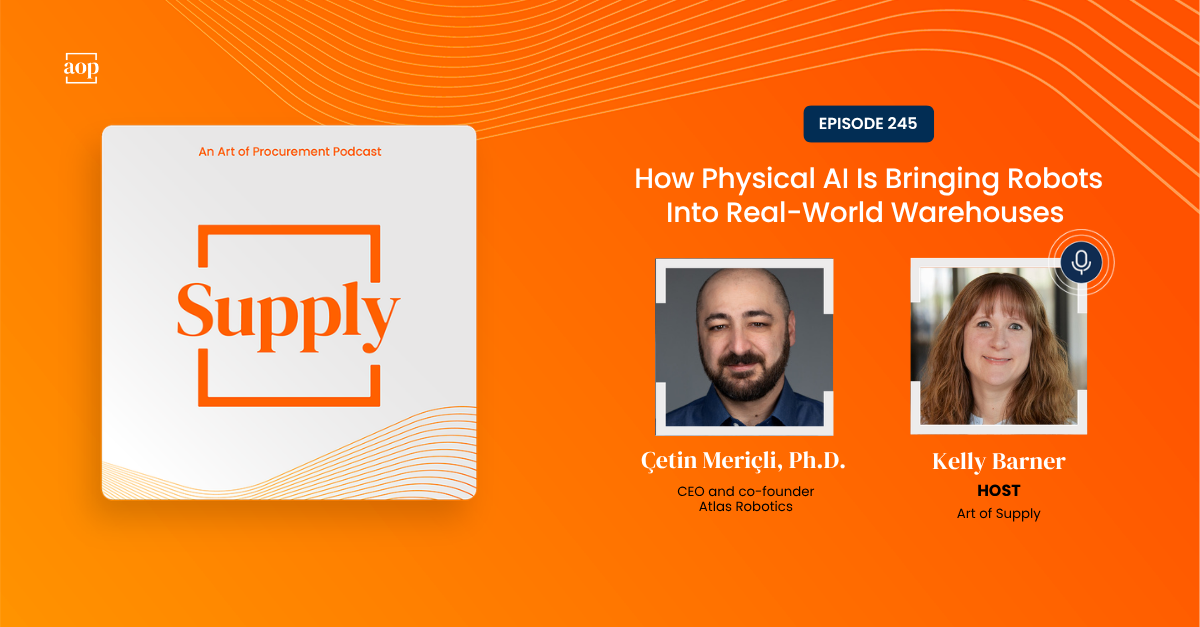
Physical AI Bringing Robots to Real-World Warehouses
Physical AI is transforming warehouse operations by enabling autonomous robots to handle complex, unstructured tasks. This shift is enhancing efficiency and collaboration in logistics, moving robots beyond simple, repetitive duties.
What to Watch Next Week
- Red Sea Traffic Updates: Monitor for any changes in the expected Q1 return of container traffic to the Red Sea.
- Asian Port Congestion Metrics: Watch for official updates on the timeline for clearing the backlog in Chinese ports.
- San Pedro Bay Dwell Times: Track if the high dwell times persist into the latter part of October.
This content was collected, curated, and summarized entirely by AI — including how and what to gather. It may contain inaccuracies. Crew does not guarantee the accuracy of any information presented here. Always verify facts on your own before acting on them. Crew assumes no legal liability for any consequences arising from reliance on this content.
Powered by
