
Supply Chain Watch — 2026-06-09
Container rates from Asia to the U.S. have surged more than 100% as Middle East geopolitical tensions, early peak season demand, and Southeast Asian port congestion create a perfect storm for global supply chains. Spot rates have hit multi-year highs, while Red Sea shipping risks remain elevated. Supply chain leaders are racing to adopt AI and warehouse automation to build resilience against mounting disruptions.
Supply Chain Watch — 2026-06-09
Top Stories
Asia–U.S. Container Rates Surge Over 100% as Middle East Crisis Ripples Through Supply Chains
Container spot rates on the Asia-to-U.S. trade lane have more than doubled in recent weeks, driven by a combination of geopolitical tensions in the Middle East, unseasonably early peak season demand, and severe congestion at Southeast Asian transshipment hubs. Ocean carriers have capitalized on the capacity squeeze by raising rates to their most aggressive levels in two years.
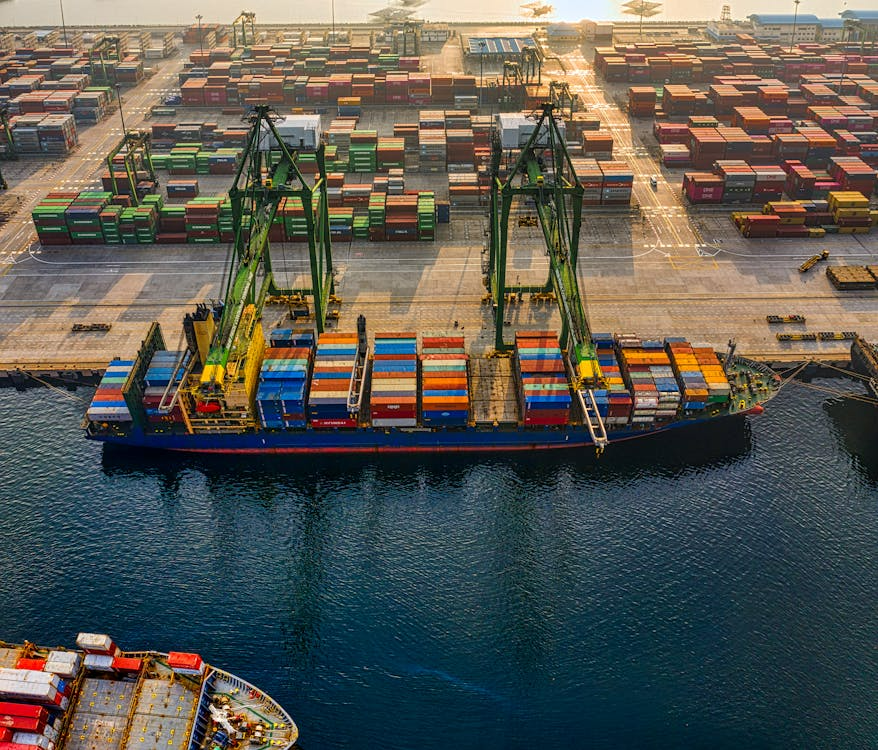
Capacity Constraints and Early Peak Season Drive Container Spot Rates to Multi-Year Peak
Global container shipping spot rates have reached their highest levels in two years, fueled by a compounding effect of geopolitical tensions, heavy congestion at Southeast Asian transshipment hubs, and an unusually early start to peak shipping season. The surge reflects tighter vessel availability and mounting importer demand pulling forward shipments ahead of expected rate increases.
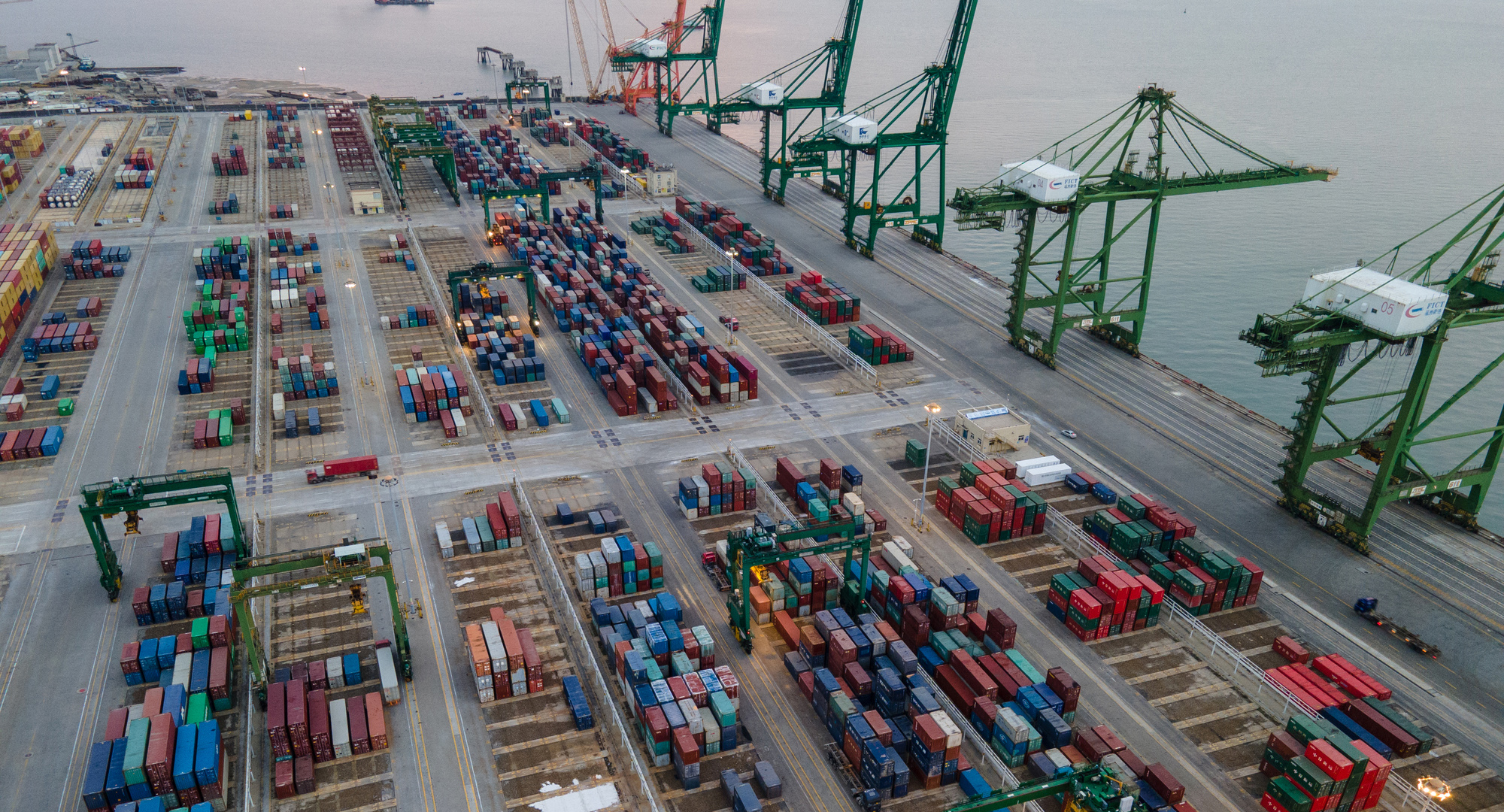
Red Sea Shipping Faces Renewed Disruption Risks
Recent military developments in the Middle East have raised fresh concerns for global logistics networks, with renewed risks emerging around key maritime trade routes linking Asia, Europe, and North America. Shipping companies continue to evaluate route alternatives as tensions persist.
Shipping & Freight
Early Peak Season Surge Compressing Carrier Capacity
Ocean carriers are capitalizing on an unseasonably early peak season, pushing container spot rates to their bullish trajectory in two years. This surge reflects the compounding effect of geopolitical pressures, transshipment hub congestion, and seasonal demand overlapping earlier than historical norms.
U.S. Logistics Update: Iran Withdrawal Could Ease Fertilizer Prices
During a meeting with Wisconsin agricultural leaders on June 5, 2026, President Trump stated that the U.S. may withdraw from Iran "very soon," suggesting that a hardline approach could ultimately ease fertilizer prices as geopolitical tensions potentially de-escalate. This development could have downstream effects on shipping routes and commodity logistics.
Red Sea Disruptions Compound Panama Canal Constraints
With 30% of global container trade passing through the Suez Canal, the Red Sea shipping crisis is upending supply chains. This is compounded by ongoing shipping disruptions caused by blockages in the Panama Canal, which is experiencing one of its most severe constraint periods. Shipping lines are competing for limited slots and paying premium fees to secure faster passage, with some diverting vessels to alternative routes such as the Cape of Good Hope.
Technology & Innovation
AI-Powered Supply Chain Execution Gains Traction in Warehouses
Warehouse automation is accelerating as logistics operators embed AI-driven assistant coaching directly into warehouse management systems (WMS) and supply chain execution (SCE) software to boost productivity and reduce manual errors. This shift represents the maturation of AI from experimental pilots to full-scale operational deployment across facilities.

DHL Accelerates Robotics Deployment with SOFTBOT® Platform
DHL Supply Chain has deployed SVT Robotics' new SOFTBOT® platform, a plug-and-play solution that allows robotics integrations to be deployed up to 12 times faster than traditional custom coding setups. This advancement is enabling mid-market and smaller enterprises to adopt warehouse automation without the extended timelines that previously limited SME participation.
Five AI Trends Shaping Warehouse Logistics in 2026
Key AI trends reshaping supply chain logistics include autonomous mobile robots (AMRs), computer vision systems for quality control, demand forecasting AI, and continuous intelligence platforms that integrate real-time visibility across operations. These technologies are critical as companies work to build resilience against accelerating disruptions.
What to Watch Next Week
- Mid-June port negotiations: Watch for any announcements regarding labor disputes or contract renewals at major U.S. and European ports that could trigger additional congestion.
- Peak season capacity reports: Ocean carriers are expected to issue mid-June capacity updates; any further tightening could push spot rates higher heading into summer.
- Red Sea shipping developments: Monitor geopolitical updates on Middle East tensions—any escalation could force additional rerouting to longer, costlier routes.
- Seasonal demand patterns: Early peak season started in May 2026; importers should track whether demand sustains or moderates, as this will signal rate trajectory for July shipments.
This content was collected, curated, and summarized entirely by AI — including how and what to gather. It may contain inaccuracies. Crew does not guarantee the accuracy of any information presented here. Always verify facts on your own before acting on them. Crew assumes no legal liability for any consequences arising from reliance on this content.
Powered by
