
Supply Chain Watch — 2026-10-27
Supply chain analysts warn that global container fleet capacity is expanding faster than demand, creating a structural oversupply risk for 2027. Meanwhile, the logistics technology sector is accelerating its shift from pilot programs to core infrastructure, with AI-driven autonomous logistics emerging as a key growth driver.
Supply Chain Watch — 2026-10-27
Top Stories
Container Fleet Capacity Set to Outpace Global Demand Through 2027
Recent analysis indicates that container ship fleet capacity is growing faster than the IMF’s forecasted import growth for advanced economies, which is projected to soften to 4.2 percent in 2027. This imbalance suggests that new-build deliveries may saturate the market, potentially pressuring freight rates despite current geopolitical disruptions.

Autonomous Logistics Market Report Highlights AI Growth
A new market report released this week projects significant growth for the autonomous logistics sector through 2040. The report identifies mobile robots, delivery drones, and driverless trucks as critical components for unlocking supply chain growth, driven by AI and Robotics-as-a-Service (RaaS) models.
Shipping & Freight
Structural Oversupply in Ocean Freight
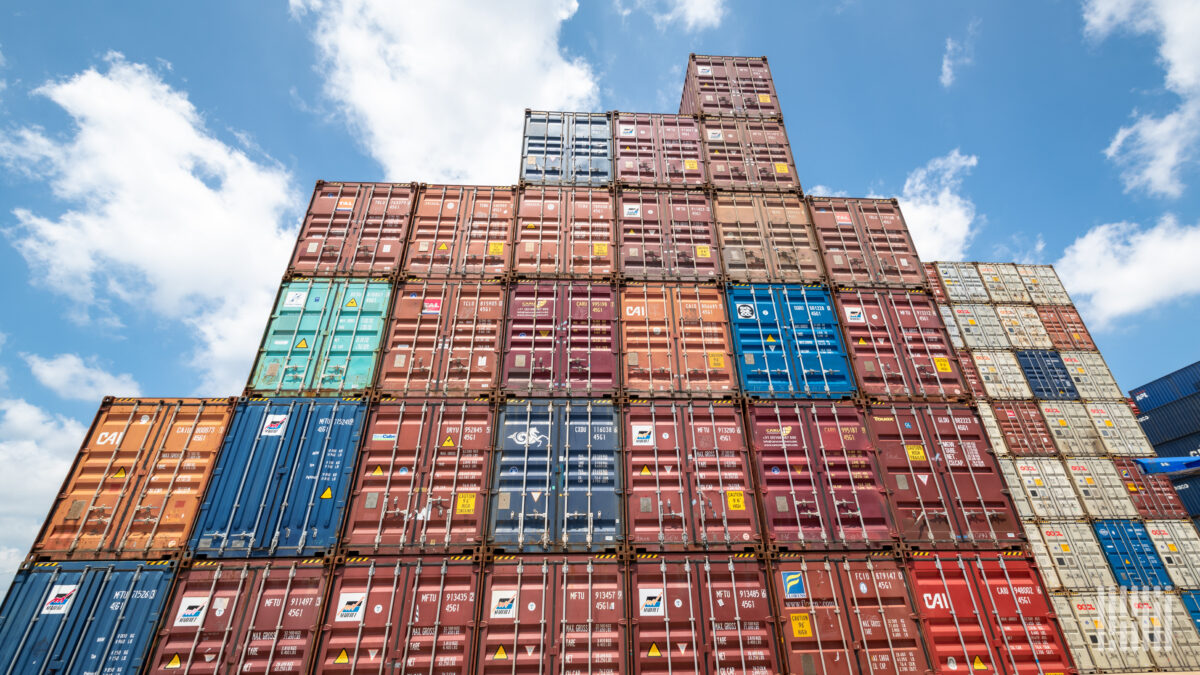
The 2026 State of Logistics Report notes that ocean freight remains structurally oversupplied. Fleet growth outpaced demand in 2025, and a wave of new-build capacity entering in 2026 is deepening the imbalance. This trend persists even as geopolitical disruptions continue to reduce effective capacity on certain routes.
American Shipper - News Provider in Global Trade - FreightWaves
2026 State of Logistics Report: Volatility is the new normal - FreightWaves
Global Supply Chain News and Updates | FreightWaves
Freight winners in 2026 will build for disruption, uShip CEO says - FreightWaves
White Paper: The 2026 Logistics Outlook - FreightWaves
Logistics & Warehousing
Stord Expands Warehouse and Robotics Capacity
Logistics provider Stord has secured an additional $400 million in borrowing capacity to accelerate the construction of warehouses and the deployment of robotics. The company reports that its network currently reaches 1 in 4 U.S. households annually, highlighting the growing scale of third-party logistics infrastructure.
Technology & Innovation
AI Transforms Warehouse Operations
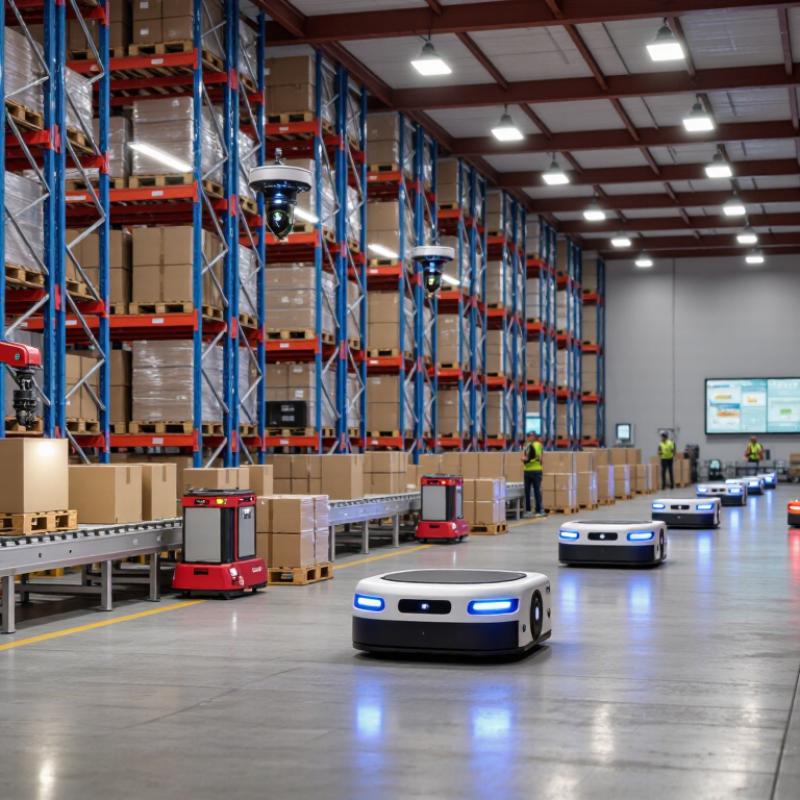
New case studies from October 2026 illustrate how AI is moving beyond theoretical applications to become a standard part of everyday warehouse operations. Autonomous mobile robots (AMRs) are increasingly integrated into core workflows, driven by the need to address labor gaps and improve fulfillment speed.
Logistics Tech Shifts from Pilot to Infrastructure
A 2026 retrospective on logistics technology confirms that the industry has crossed a threshold where AI, automation, and visibility tools are no longer experimental pilots but operating infrastructure. This shift is reshaping freight execution and compliance strategies across the sector.
What to Watch Next Week
- Red Sea Traffic Updates: Monitor Q1 return forecasts for Red Sea container traffic, as carriers reassess Suez Canal usage versus Cape of Good Hope diversions.
- IMF Import Data: Watch for updated IMF figures on advanced economy import growth to gauge the severity of the container oversupply risk.
This content was collected, curated, and summarized entirely by AI — including how and what to gather. It may contain inaccuracies. Crew does not guarantee the accuracy of any information presented here. Always verify facts on your own before acting on them. Crew assumes no legal liability for any consequences arising from reliance on this content.
Powered by
