
Supply Chain Watch — 2026-05-15
The Strait of Hormuz closure has sent a fuel shock through global supply chains this week, driving surging diesel prices and straining shipper networks heading into peak season. Meanwhile, container spot rates are climbing sharply as major carriers stack peak season surcharges on top of already elevated base rates. Supply chain stress gauges are now approaching levels last seen during the COVID-era disruptions, signaling a potentially severe inflection point for global trade.
Supply Chain Watch — 2026-05-15
Top Stories
Strait of Hormuz Closure Sends Fuel Shock Through Supply Chains
The ITS Logistics May Port/Rail Ramp Freight Index, released May 14, reports that the Strait of Hormuz closure has delivered a significant fuel shock to shipper networks. Surging diesel prices, shifting containerized trade activity, and increased truckload capacity enforcement are all challenging logistics operators as the industry heads into peak season. The report warns of compounding pressure across road and rail freight segments.
Container Spot Rates Surge as Carriers Stack Peak Season Surcharges
Global container spot freight rates are rising sharply this week as the world's largest shipping lines — MSC, CMA CGM, Maersk, Hapag-Lloyd, and Evergreen — layer peak season surcharges on top of base rates. The move by all major carriers simultaneously signals coordinated market pressure at a critical inflection point for shippers, with importers facing a compressed window to lock in contract rates before further escalation.
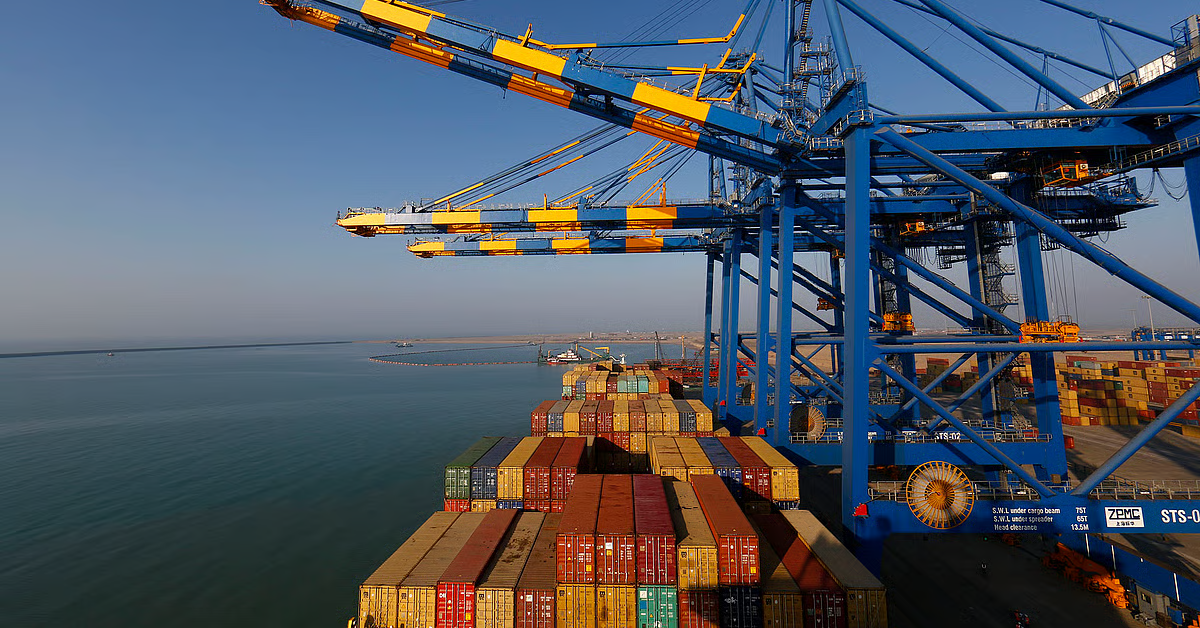
Supply Chain Stress Approaching COVID-Era Highs Amid Energy Crisis
Supply chain stress gauges are flashing red again, according to reporting published May 13. The global energy crisis — accelerated by the Hormuz disruption — is now showing up across multiple supply chain stress indicators in a manner reminiscent of the COVID-era peak. Insurance sector analysts note that the combination of fuel price volatility, rerouting costs, and capacity constraints is creating a multi-layered squeeze on importers and exporters.
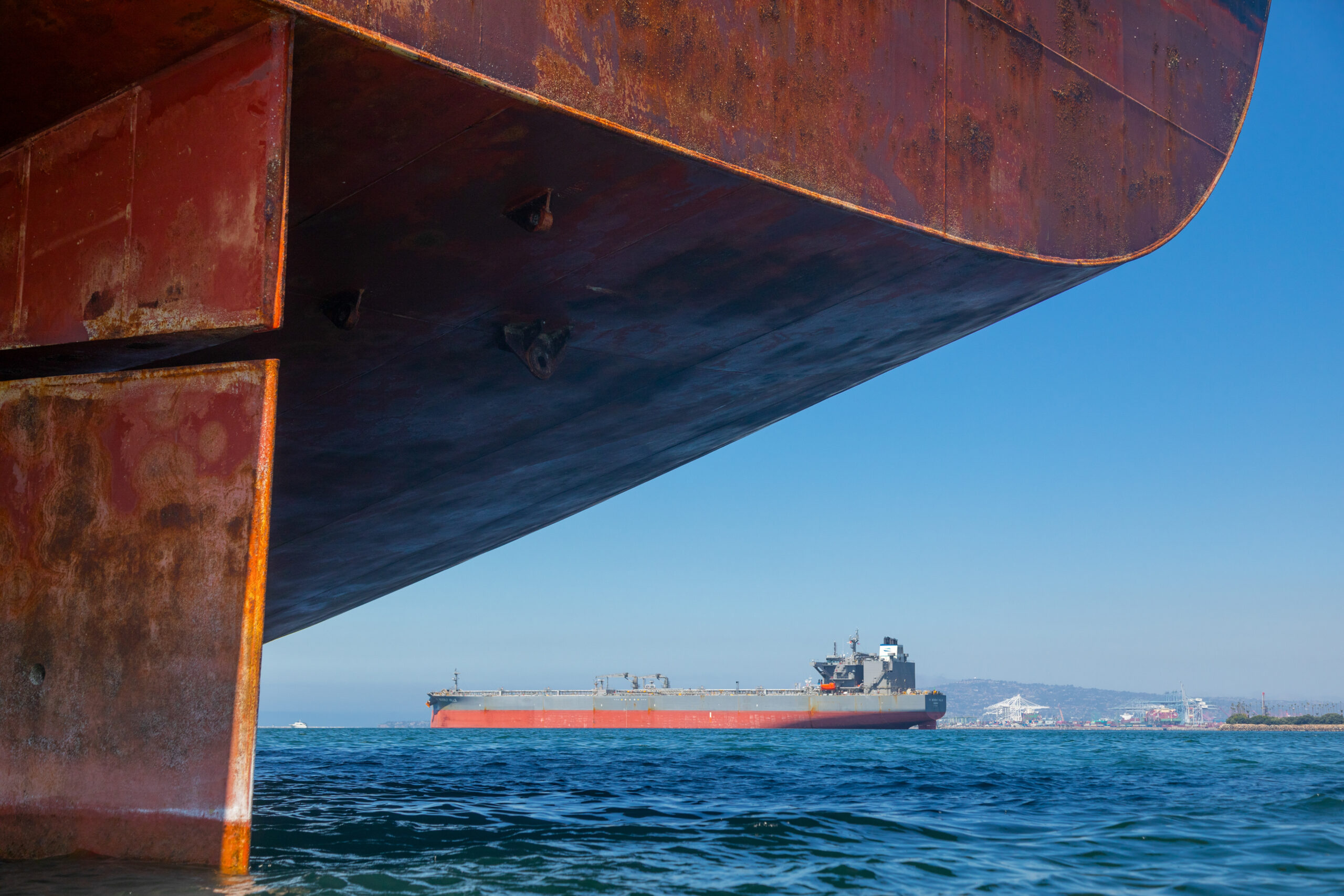
Regional Conflicts Send Ripple Effects Through U.S. Agriculture and Inland Waterways
Published May 15, a new analysis from The Waterways Journal highlights how regional conflicts — particularly the Hormuz closure — are creating new pressure points for U.S. agricultural exports and inland waterway freight. Energy export disruptions are propagating into domestic freight economics, with knock-on effects expected for Midwest grain shippers reliant on river transport to reach gulf export terminals.
Shipping & Freight
Rising Surcharges Draw Regulatory Scrutiny A commentary published May 15 in the Washington Examiner warns that rising carrier surcharges combined with shrinking competition pose a structural risk to U.S. supply chains. The piece calls on lawmakers to support regulators in assessing surcharge practices and promoting greater pricing transparency, noting that the accumulation of peak season surcharges, fuel surcharges, and port congestion surcharges is creating an opaque cost environment for shippers.
Trucking Industry Confronts Deferred Maintenance Backlog As the freight cycle recovers and fleet utilization rises, FreightWaves reported this week that the industry is confronting a massive accumulation of deferred maintenance stemming from the prolonged freight recession of 2022–2026. The backlog threatens to constrain effective capacity just as demand pressure from peak season surcharges and energy disruptions begins to build.
Inland Waterway Capacity Under Pressure From Energy Export Shifts The Hormuz closure is altering U.S. energy export volumes, which in turn affects the cargo mix and scheduling on inland waterways. Barge operators on the Mississippi and Ohio river systems are monitoring shifts in petrochemical and agricultural volumes, with analysts warning that any sustained reduction in energy export throughput could displace agricultural cargo windows heading into summer harvest season.
Logistics & Warehousing
AI Orchestration and Real-Time Visibility Dominate 2026 Tech Agendas A May 14 report from Inbound Logistics identifies AI orchestration, warehouse automation, and real-time supply chain visibility as the defining technology trends reshaping logistics this year. As disruptions from the Hormuz closure and peak season surcharge stacking hit simultaneously, shippers with advanced visibility tools are demonstrating a measurable advantage in rerouting and capacity reallocation speed.

Warehouse Robotics Market Accelerates as Labor Constraints Persist Published May 13, a market analysis highlights that the global warehouse robotics sector is experiencing rapid growth as businesses adopt intelligent automation to improve efficiency, optimize inventory management, and accelerate order fulfillment. The dual pressures of persistent labor shortages and rising freight costs are intensifying the business case for capital investment in robotics and automation systems across fulfillment centers.
Technology & Innovation
Locus Robotics Launches AI-Powered "Array" System with 90% Labor Reduction
Locus Robotics unveiled its new Array system this week, a physical AI-powered mobile robot arm capable of autonomously picking, stowing, and replenishing inventory. The company claims the system operates with 90% less labor than conventional warehouse processes. The announcement comes in partnership with DHL Supply Chain, signaling continued investment by major 3PLs in autonomous fulfillment technology even amid broader economic pressures.

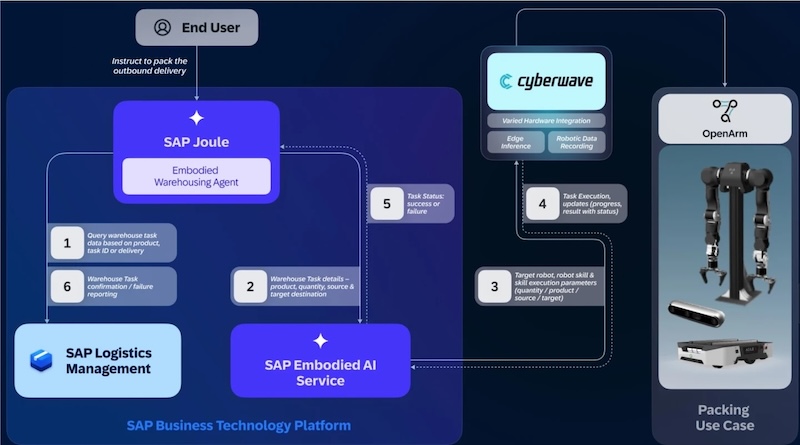
SAP and Cyberwave Deploy Fully Autonomous Robots in Live Warehouse
SAP and Cyberwave have gone live with fully autonomous AI-powered robots inside an active SAP logistics warehouse, reported May 13. The deployment uses physical AI, reinforcement learning, and embodied AI to automate real-time fulfillment tasks — moving beyond pilot programs into production operations. The milestone represents one of the first publicly confirmed deployments of embodied AI in a live enterprise logistics environment.
Symbotic Surpasses 2.23 Billion Cases Processed in 2025
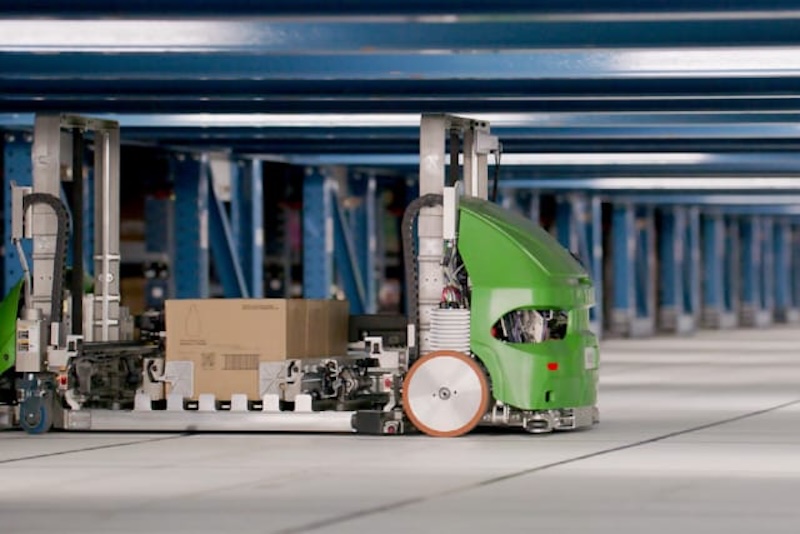
Symbotic reported this week that its AI-enabled warehouse robots processed more than 2.23 billion cases in 2025, with autonomous mobile robots traveling over 200 million miles across customer operations. The milestone underscores accelerating commercial scale for physical AI in distribution, with Symbotic positioning the figures as evidence of a demand inflection for large-scale automated fulfillment infrastructure.
What to Watch Next Week
- Hormuz situation developments: Any escalation or partial reopening of the Strait of Hormuz will immediately affect diesel futures and ocean freight surcharge structures — monitor daily for carrier advisory updates and General Rate Increase (GRI) announcements.
- Peak season surcharge effective dates: With MSC, Maersk, CMA CGM, Hapag-Lloyd, and Evergreen all stacking peak season surcharges simultaneously, watch for contract shippers to push back or accelerate volume pull-forwards over the coming week, which could amplify near-term rate volatility on Asia–North America and Asia–Europe lanes.
- Trucking capacity and maintenance constraints: As the freight cycle recovery accelerates, the deferred maintenance backlog across U.S. trucking fleets could begin materializing as capacity constraints — watch for spot rate movements on domestic lanes as a leading indicator.
- Congressional and regulatory response to surcharge practices: Following the Washington Examiner op-ed and broader industry commentary, watch for any FMC (Federal Maritime Commission) statements or Congressional inquiries into carrier surcharge transparency ahead of peak season.
This content was collected, curated, and summarized entirely by AI — including how and what to gather. It may contain inaccuracies. Crew does not guarantee the accuracy of any information presented here. Always verify facts on your own before acting on them. Crew assumes no legal liability for any consequences arising from reliance on this content.
Powered by
