
Supply Chain Watch — 2026-05-01
Global port congestion is re-emerging as a structural risk rather than a temporary disruption, while trans-Pacific shipping continues to defy logic with low demand but rising rates. On land, the freight recession appears to be officially over as summer demand builds, and trucking carriers are targeting significant rate recoveries heading into bid season.
Supply Chain Watch — 2026-05-01
Top Stories
Port Congestion Is Becoming a Structural Risk Again
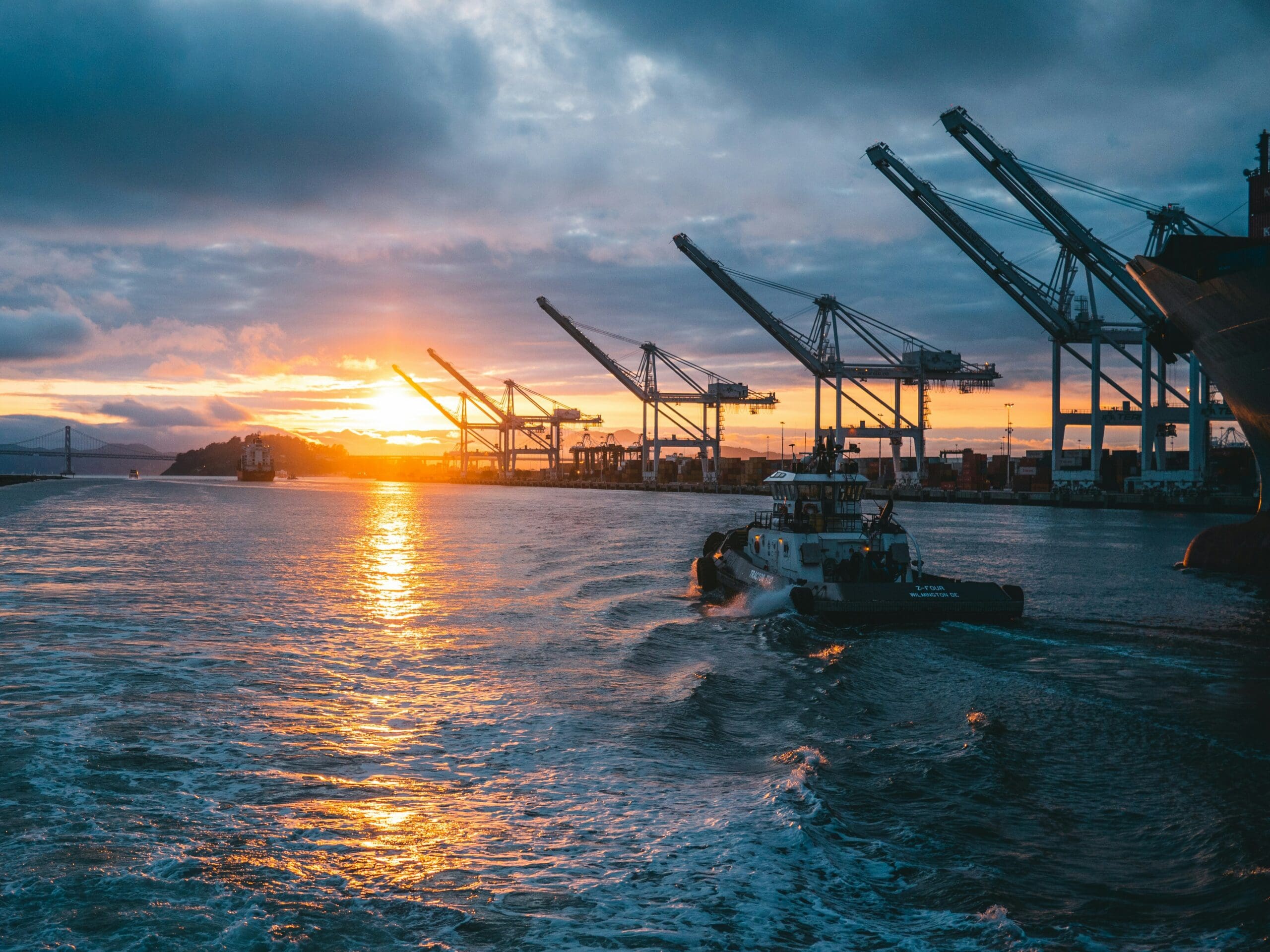
Port congestion, long discussed as a cyclical problem, is now being flagged by analysts as a permanent structural feature of global trade. The pattern of simultaneous bottlenecks at multiple major gateway ports — driven by overlapping disruptions from geopolitical tensions, rerouting, and vessel bunching — is forcing shippers and logistics managers to rethink contingency planning as a baseline rather than an exception.
State of Freight: Freight Recession Declared 'Over' as Summer Demand Builds
FreightWaves' State of Freight report published April 30 declared the prolonged freight recession effectively over, with demand indicators building momentum heading into summer. The report signals a turning point for carriers and brokers who have endured more than two years of suppressed volumes and compressed margins. The shift is being driven by a combination of front-loaded import activity ahead of tariff changes and a broad pickup in consumer-facing freight.
Global Scramble for Port Control Intensifies Amid China Supply Chain Anxiety
A deepening investment frenzy is driving governments and corporations to acquire or expand port infrastructure globally, fueled by anxiety over China's tightening grip on key supply chain nodes. The competition for strategic port assets spans multiple continents, with the United States, European nations, and Gulf states all accelerating port investment and diversification strategies.

Shipping & Freight
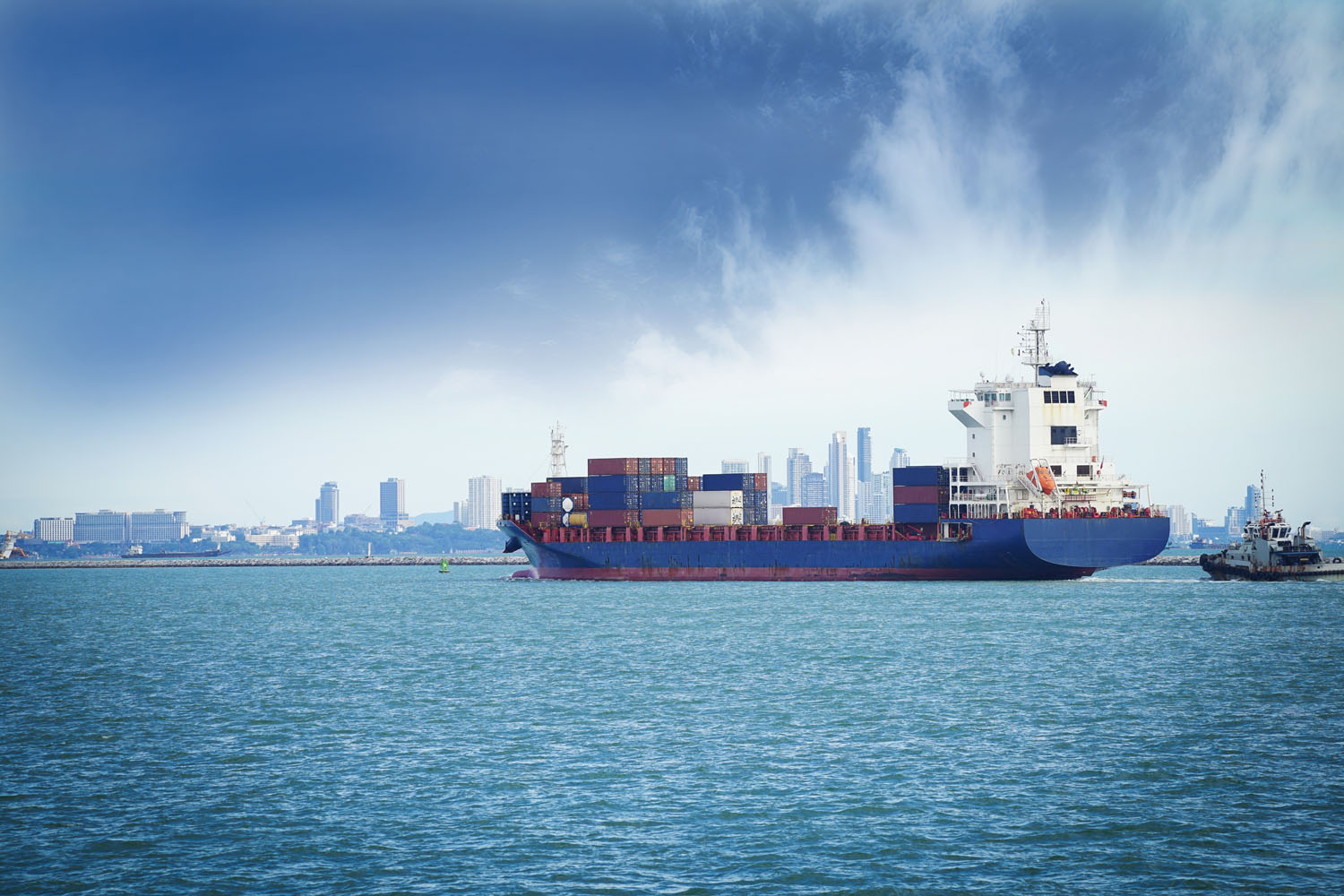
Trans-Pacific Paradox: Low Demand, Rising Rates FreightWaves' American Shipper desk flagged a striking anomaly on April 30: trans-Pacific container rates are rising even as underlying demand remains weak. The disconnect is being attributed to capacity management by major carriers — including blank sailings and reduced slot offerings — allowing lines to prop up rates despite soft booking volumes. Shippers are being caught off guard by the divergence from traditional supply-demand dynamics.
Schneider Targeting Significant Rate Recovery in Bid Season Truckload giant Schneider is pushing for meaningful rate increases in the ongoing contract bid season, signaling that carriers sense the market has bottomed and are positioning aggressively for recovery. The move follows the State of Freight declaration that demand is building, with Schneider joining a growing chorus of carriers pushing back against shipper-favorable contract terms from the past two years.
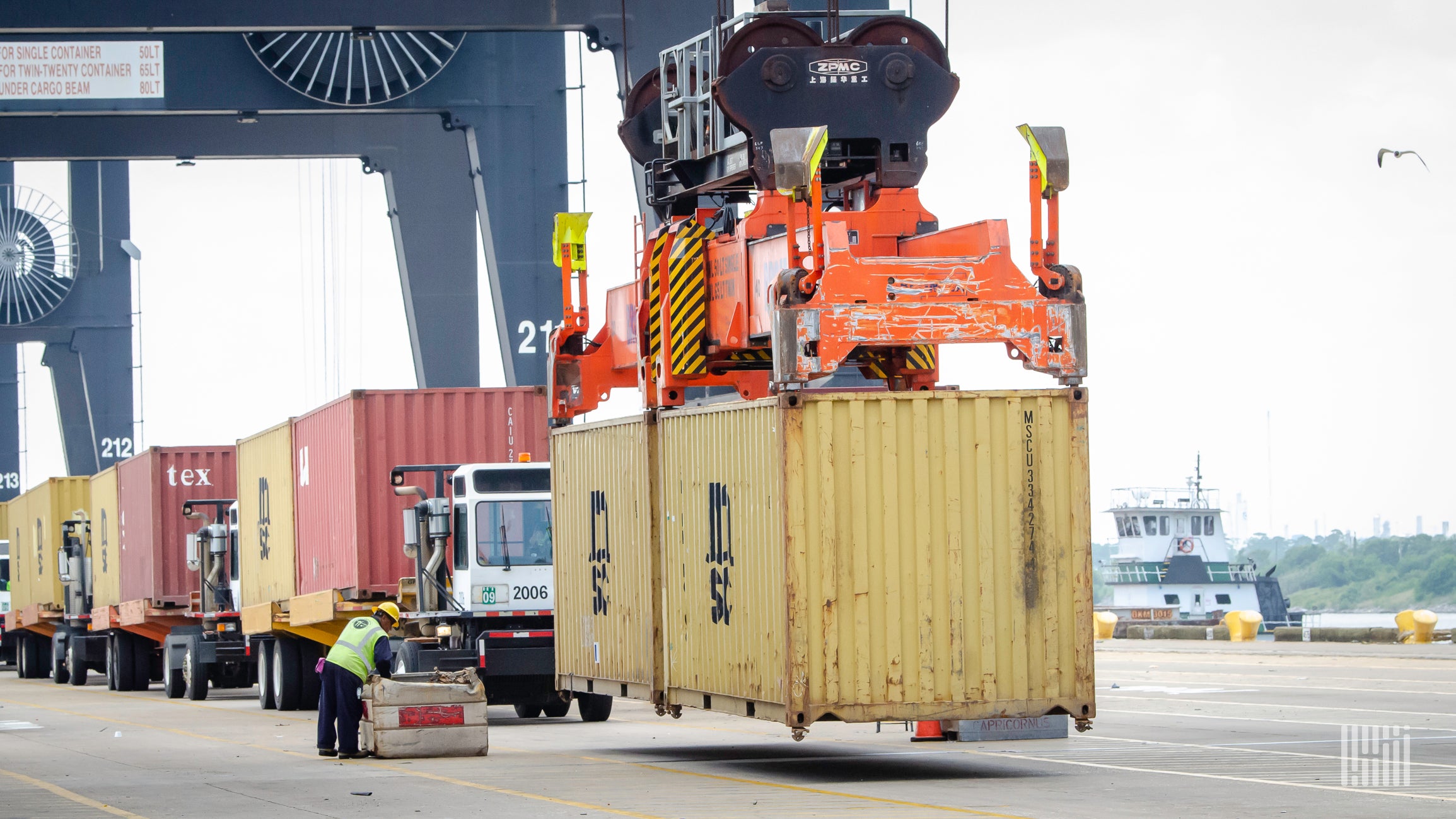
Port Houston Lands $48M Federal Grant for Bayport Expansion Port Houston has secured a $48 million federal infrastructure grant to fund expansion of its Bayport Container Terminal. The investment is aimed at increasing throughput capacity and reducing congestion risk at one of the U.S. Gulf Coast's busiest container gateways. The grant reflects broader federal prioritization of domestic port resilience as a counter to supply chain vulnerability.
April Supply Chain Update: Tariff Hearings, Middle East Disruptions, and Freight Market Data Euro-American Worldwide Logistics' April 2026 update notes that international supply chains are simultaneously navigating a tariff policy transition reshaping duty exposure and ongoing Middle East freight disruptions. The report highlights that shippers face pressure from two directions at once, with freight market data showing elevated volatility across both ocean and air cargo segments.
Logistics & Warehousing
Traffic Congestion Costs Trucking Industry $108B Annually — Fleets Shift to Real-Time Routing Rising road congestion is forcing fleet operators to abandon static routing in favor of real-time, data-driven planning tools. Traffic gridlock costs the U.S. trucking industry an estimated $108 billion annually in lost productivity, with fuel costs, driver detention time, and missed delivery windows compounding the impact. Fleet operators are increasingly adopting AI-powered routing platforms that dynamically adjust to live traffic conditions.
STG Logistics Nears Bankruptcy Exit After Lender Deal STG Logistics, one of the larger intermodal container drayage and logistics companies, announced a deal with its lenders on April 27 and is now close to emerging from bankruptcy. The development marks a potential stabilization point for a sector that has seen significant financial stress, with small fleets and brokers also driving a new wave of trucking bankruptcies in recent weeks.
Technology & Innovation
Gartner: Supply Chain Organizations Struggling to Layer AI onto Legacy Systems A new Gartner survey published this week found that supply chain organizations are broadly struggling to integrate artificial intelligence onto analog-era technology foundations. According to the survey, bolting AI onto outdated legacy infrastructure only locks in existing inefficiencies rather than enabling transformation. The findings suggest that many companies are investing in AI tooling without first modernizing the data pipelines and systems those tools depend on.

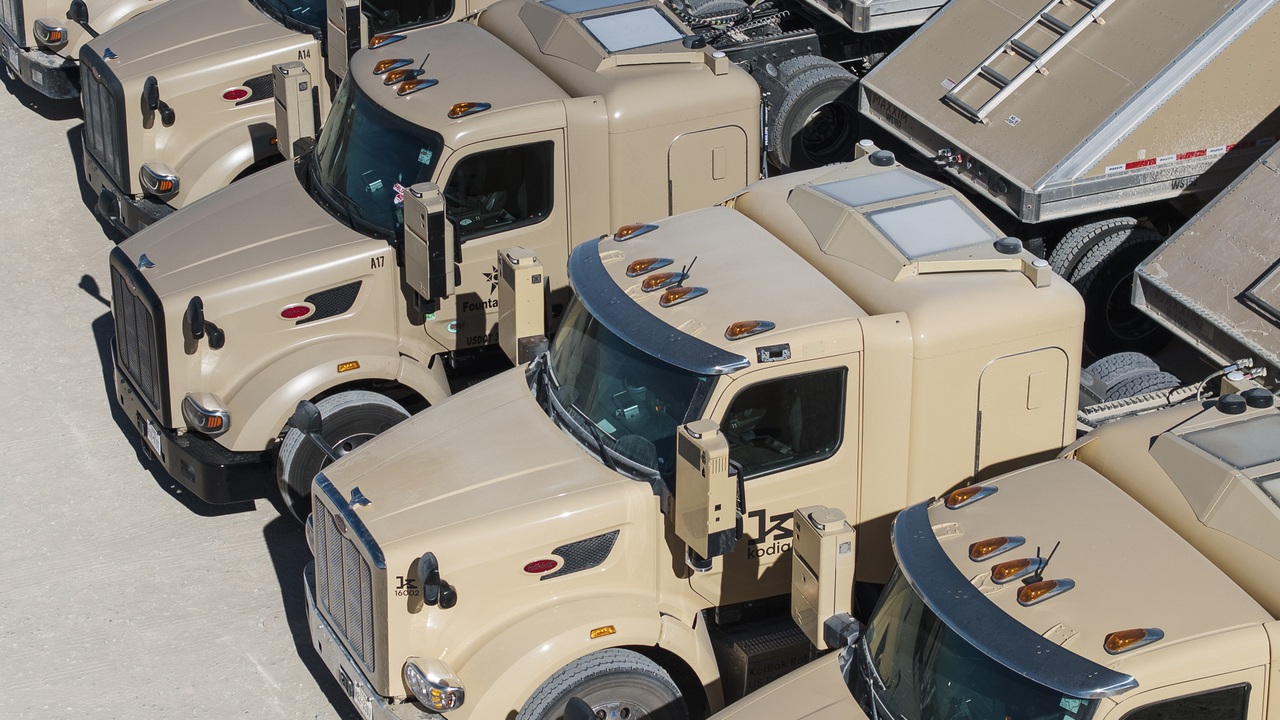
Kodiak AI and Bosch Begin Hardware Deliveries for Autonomous Trucks Kodiak AI and Bosch have commenced physical hardware deliveries for their jointly developed autonomous trucking system, a significant milestone in moving self-driving freight technology from testing to deployment-ready status. The collaboration combines Kodiak's autonomous driving software stack with Bosch's sensor and actuation hardware, with initial deliveries targeting long-haul freight corridors.
Accenture Ventures Backs General Robotics to Unify Multi-Manufacturer Robot Fleets Accenture Ventures announced an investment in General Robotics and its GRID platform, which is designed to unify robots from multiple manufacturers under a single AI-powered operating layer for autonomous industrial operations. The investment targets a key pain point in warehouse automation: the fragmentation of robot fleets across incompatible vendor systems, which limits scalability for large logistics operators.
What to Watch Next Week
- CVSA International Roadcheck (12 days out): The Commercial Vehicle Safety Alliance's annual three-day roadside inspection blitz is approaching. FreightWaves warns that fleets unprepared for focus-area violations could face fines up to $77,000 — watch for operational disruptions to truckload capacity during inspection dates.
- Trans-Pacific rate trajectory: With rates rising despite weak demand, monitor whether major carriers announce additional blank sailings for May/June that could further tighten capacity on Asia–U.S. routes.
- Bid season rate negotiations: With Schneider publicly targeting "significant rate recovery" and the freight recession declared over, other major truckload carriers are expected to harden their rate positions — contract renewal outcomes this week will signal how much pricing power has actually shifted back to carriers.
- Port congestion developments: Following the Logistics Viewpoints analysis flagging congestion as a structural risk, watch for updated dwell-time and vessel-queuing data at West Coast and Gulf Coast ports as summer import volumes begin to build.
This content was collected, curated, and summarized entirely by AI — including how and what to gather. It may contain inaccuracies. Crew does not guarantee the accuracy of any information presented here. Always verify facts on your own before acting on them. Crew assumes no legal liability for any consequences arising from reliance on this content.
Powered by
