
Supply Chain Watch — 2026-10-11
Global supply chains face a complex mix of persistent congestion, volatile freight rates, and emerging technological shifts as of mid-October 2026. Key developments include the continued strain on Asian port capacity, a modest dip in container rates despite strong trade growth, and the increasing integration of AI and robotics into warehouse operations. The return of some shipping lines to the Suez Canal offers partial relief, but disruptions in other critical chokepoints like the Strait of Hormuz keep risks elevated.
Supply Chain Watch — 2026-10-11
Top Stories
Container Shipping Market Faces Record Congestion Despite Strong Trade Growth
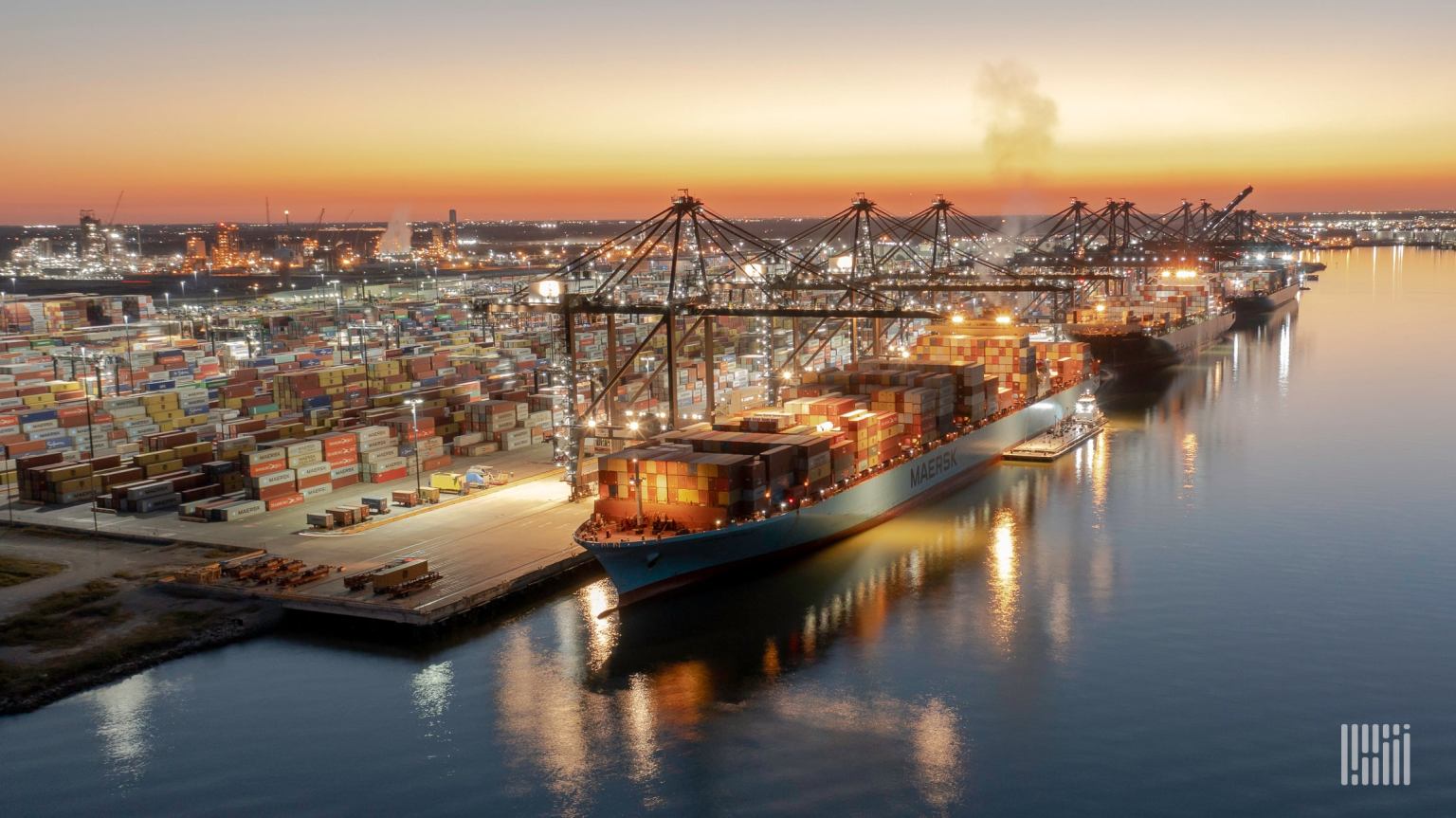
The container shipping market in October 2026 is characterized by record levels of congestion, even as global trade demand remains robust. Freight rates and vessel capacity are under pressure from persistent port delays, particularly in Asia, while some carriers are cautiously returning to Suez routes. This dynamic creates a volatile environment for shippers navigating peak season demands.
Drewry World Container Index Falls 2% to $4,351
Drewry’s World Container Index (WCI) recorded a 2% decline in early October, settling at $4,351 per 40ft container. This slight softening comes amid mixed signals from the market, where strong underlying demand is partially offset by easing spot rates on key east-west lanes. The index remains historically elevated compared to pre-pandemic levels.
Global Supply Chain Risk Monitor Highlights October Threats
Recent risk assessments point to a convergence of disruptions in October 2026, including tensions around the Strait of Hormuz, record-low water levels on the Rhine River affecting European inland transport, and ongoing capacity cuts in the Panama Canal. Additionally, new EU trade defense mechanisms are influencing global logistics strategies. These factors collectively contribute to a high-risk environment for global trade.

Shipping & Freight
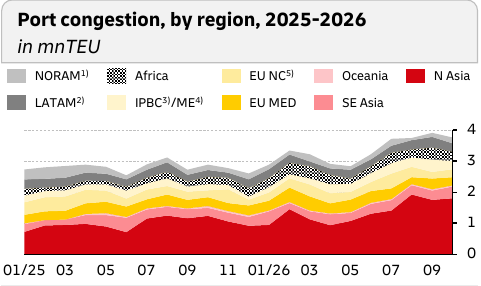
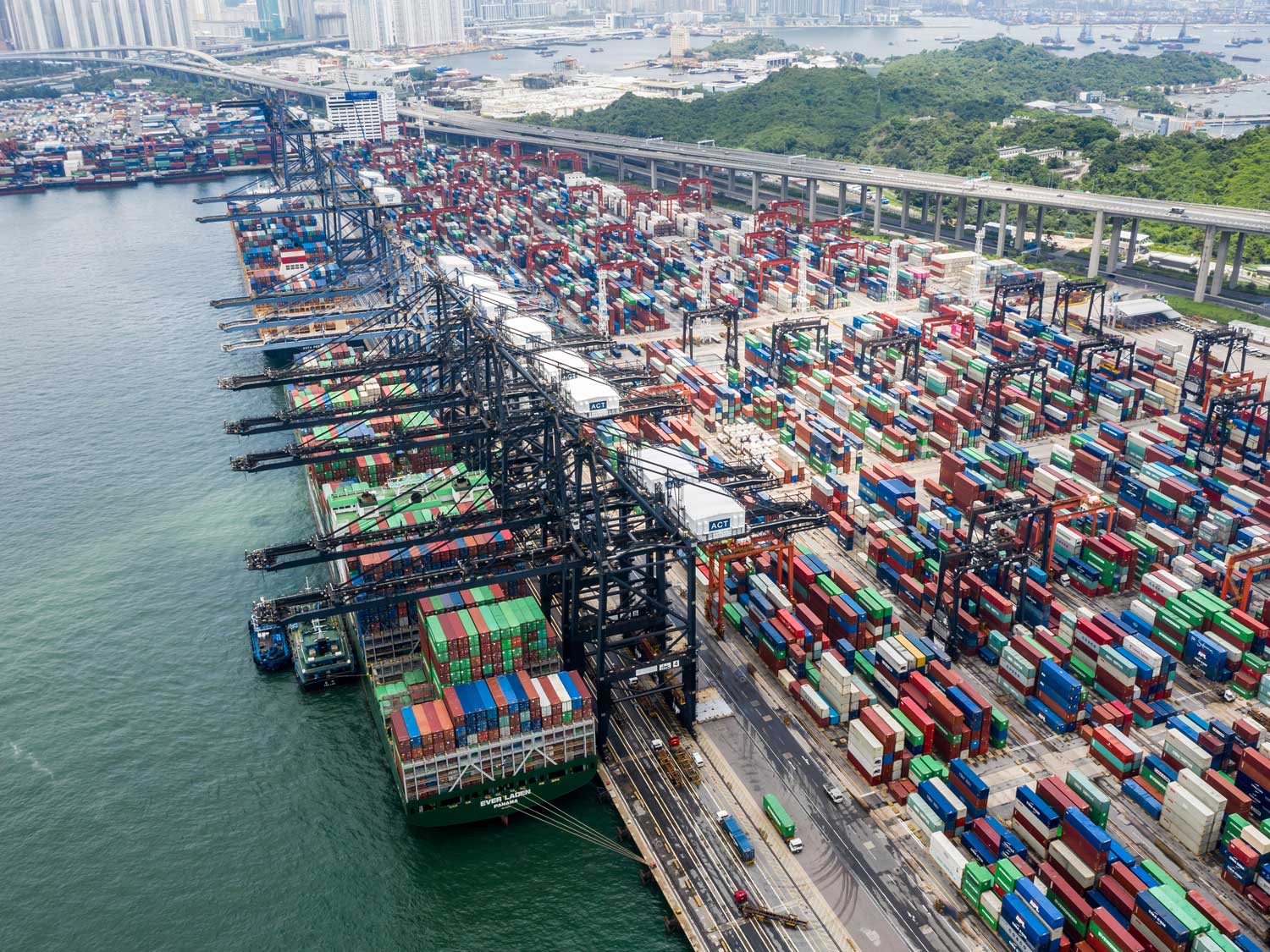
Asian Port Congestion Disrupts Supply Chains Into 2027
Port congestion in Asia is expected to persist well into 2027, driven by record cargo volumes from China, typhoon-related backlogs, and sailing cuts during Golden Week. This prolonged bottleneck is forcing shippers to widen their global sourcing networks to mitigate lead-time uncertainties. The congestion ties up significant portions of global container shipping capacity, exacerbating delays.
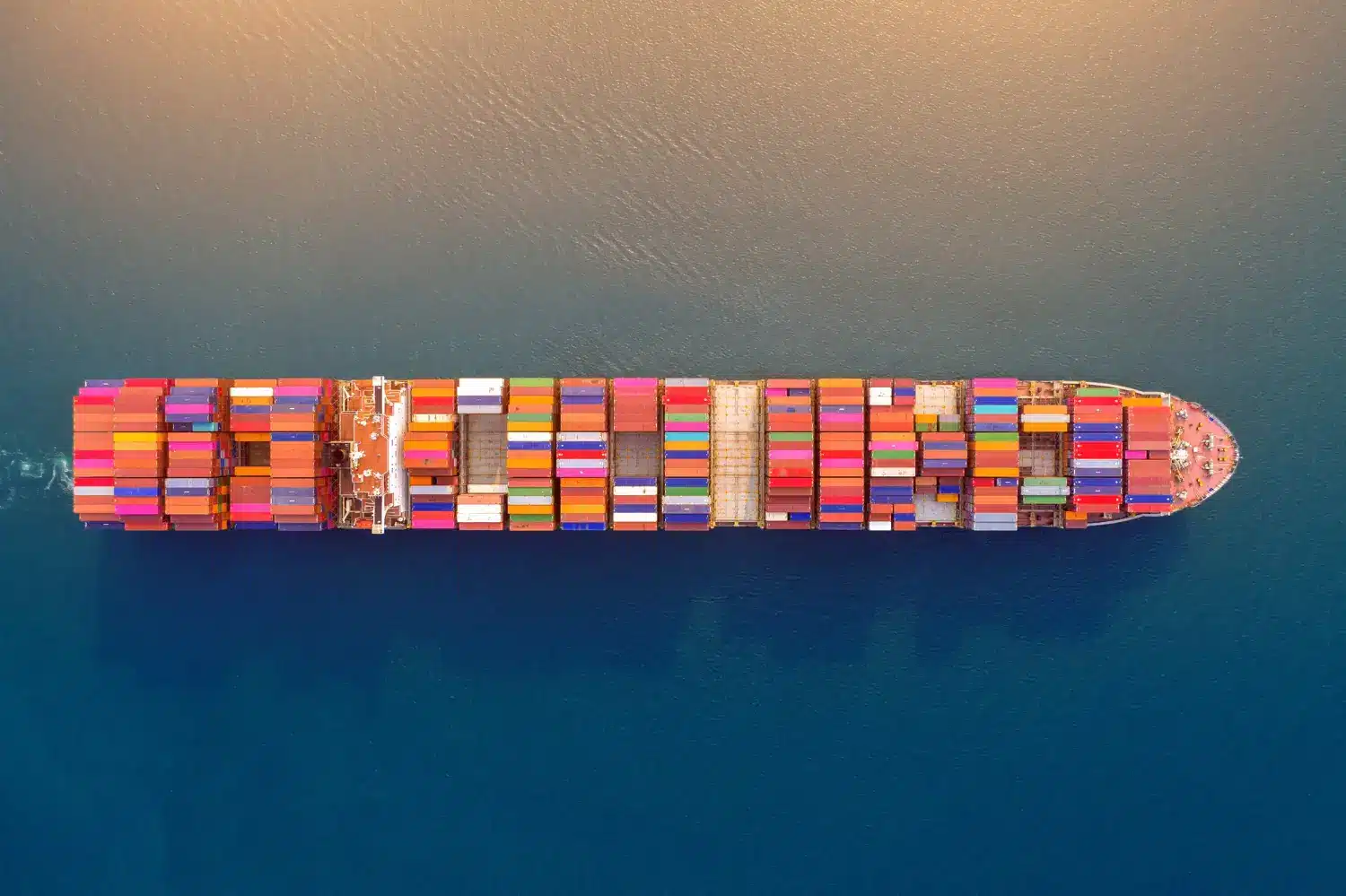
Red Sea Return Splits Container Freight Rates
The partial return of major carriers like Maersk to the Suez Canal has created a split in container freight rates. While some services have resumed Red Sea transits, many continue to reroute around the Cape of Good Hope, leading to varied rate impacts depending on the specific lane and carrier strategy. Maersk has restored only about one-third of its normal Suez transit volume, indicating a cautious approach.
Global Freight Rates Remain Volatile with Peak Season Surcharges
Global freight rates for 2026 remain volatile, with peak season surcharges and blank sailings continuing to affect international shipping costs. Carriers are adjusting capacity to manage demand fluctuations, leading to unpredictable cost structures for shippers. The interplay between supply constraints and demand spikes keeps rates elevated across major trade lanes.
Logistics & Warehousing
Truckload Rates Rise Despite Flat Freight Volumes
Truckload rates have risen in 2026 even as freight volumes remain flat, according to SONAR data and ATRI’s cost study. Carriers are struggling to cover their operational costs, necessitating higher rates. This trend reflects broader inflationary pressures and capacity adjustments in the trucking industry.

2026 State of Logistics Report: Volatility is the new normal - FreightWaves
#1 Logistics, Freight and Transportation News - FreightWaves
Global Supply Chain News and Updates | FreightWaves
China lead-time concerns surge as shippers widen global sourcing networks - FreightWaves
American Shipper - News Provider in Global Trade - FreightWaves
China Lead-Time Concerns Surge as Shippers Diversify Sourcing
Concerns over lead times from China are surging, prompting companies to widen their global sourcing networks. A recent Netstock survey indicates that managing persistent uncertainty has become the defining supply chain challenge of 2026, moving beyond solving individual disruptions. This shift is driving structural changes in how companies approach inventory and supplier diversification.
2026 State of Logistics Report: Volatility is the new normal - FreightWaves
#1 Logistics, Freight and Transportation News - FreightWaves
Global Supply Chain News and Updates | FreightWaves
China lead-time concerns surge as shippers widen global sourcing networks - FreightWaves
American Shipper - News Provider in Global Trade - FreightWaves
Technology & Innovation
Logistics Technology Moves from Pilot Programs to Operating Infrastructure
2026 marks a pivotal year where logistics technology, including AI, automation, and visibility tools, has transitioned from pilot programs to core operating infrastructure. This retrospective highlights how these technologies are reshaping freight execution, warehousing, and supply chain resilience. Compliance and digital visibility have become standard expectations rather than optional enhancements.

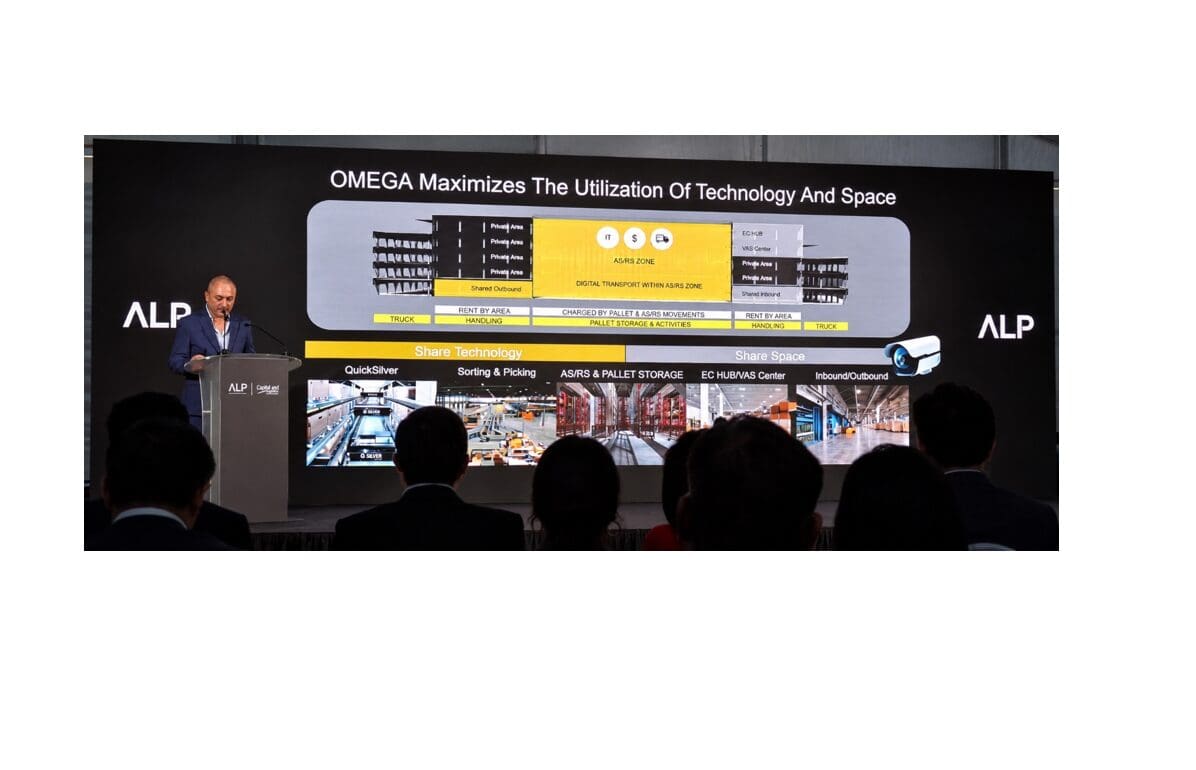
Shared Automation Models Emerge in Warehousing
New commercial models for shared automation in warehousing are being explored, with robotics suppliers considering shared infrastructure development. This approach could lower barriers to entry for smaller operators by allowing them to access advanced automation without heavy capital expenditure. The success of this model depends on pricing, service performance, and adaptability to different user needs.
Robots Taking Warehouses to New Heights
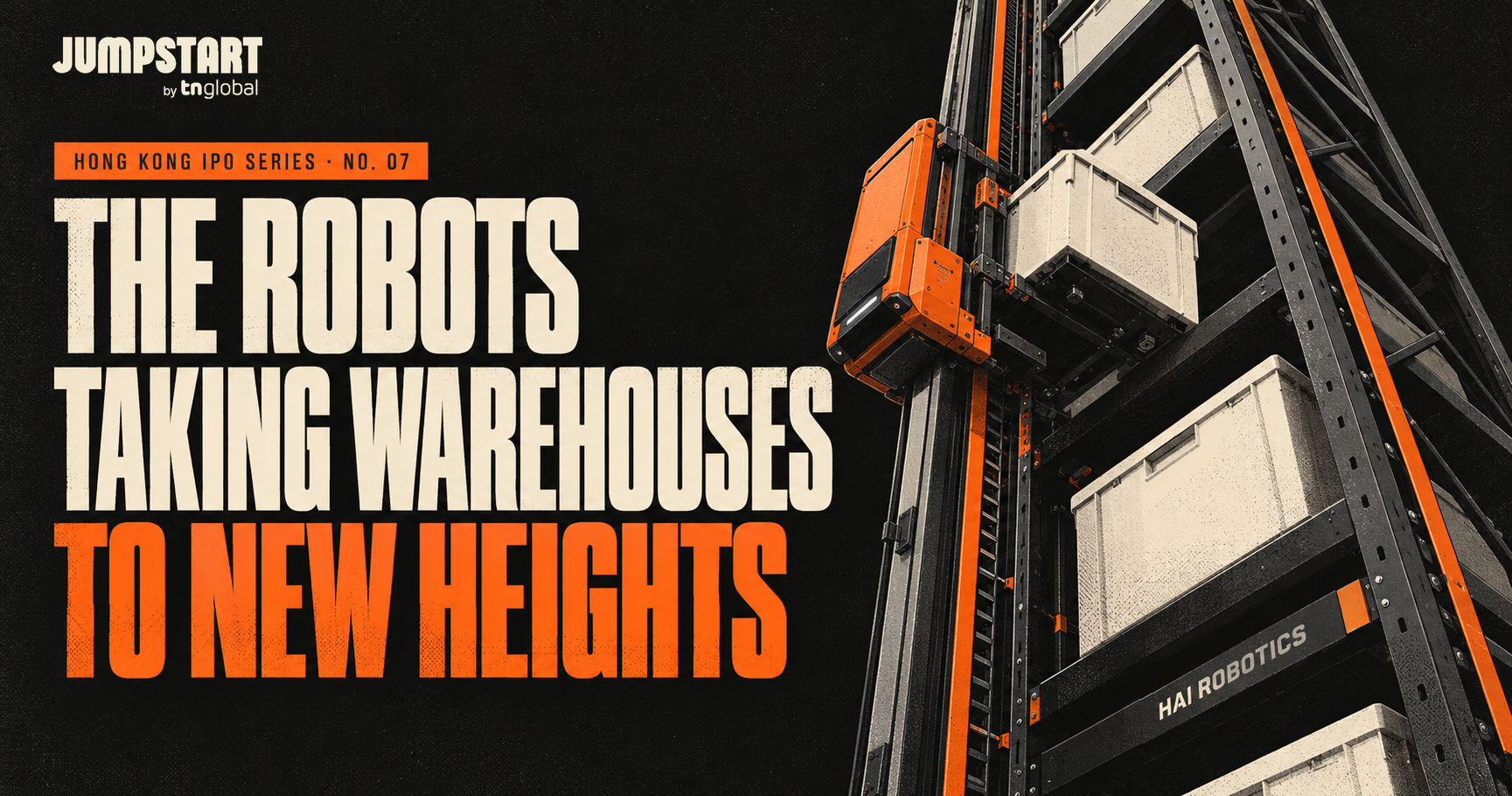
Advanced robotics are being deployed to maximize vertical space in warehouses, addressing the issue of empty air space in traditional storage setups. These innovations allow for denser storage and more efficient picking operations, crucial for meeting modern fulfillment demands. The integration of these systems represents a significant leap in warehouse density and efficiency.
What to Watch Next Week
- Suez Canal Traffic Recovery: Monitor the pace of carrier returns to Suez routes, as further normalization could ease pressure on global capacity and reduce freight costs.
- Asian Port Decongestion Metrics: Watch for any signs of improvement in Asian port wait times, which would signal a potential easing of the global container bottleneck.
- Peak Season Freight Rate Adjustments: Keep an eye on carrier announcements for further surcharges or blank sailings as the holiday shipping season peaks.
- EU Trade Policy Updates: Track the implementation details of new EU trade defense mechanisms and their immediate impact on import volumes and logistics planning.
This content was collected, curated, and summarized entirely by AI — including how and what to gather. It may contain inaccuracies. Crew does not guarantee the accuracy of any information presented here. Always verify facts on your own before acting on them. Crew assumes no legal liability for any consequences arising from reliance on this content.
Powered by
