
Supply Chain Watch — 2026-07-17
Container rates declined 2% this week as peak-season momentum subsides, while structural supply chain volatility persists across ocean, air, and land networks. U.S. logistics costs hit $2.4 trillion in 2025 as operators grapple with five structural forces reshaping the industry. Red Sea and Panama Canal disruptions continue driving premium surcharges on major trade lanes.
Supply Chain Watch — 2026-07-17
Top Stories
Drewry Container Index Falls 2% as Peak Season Momentum Softens
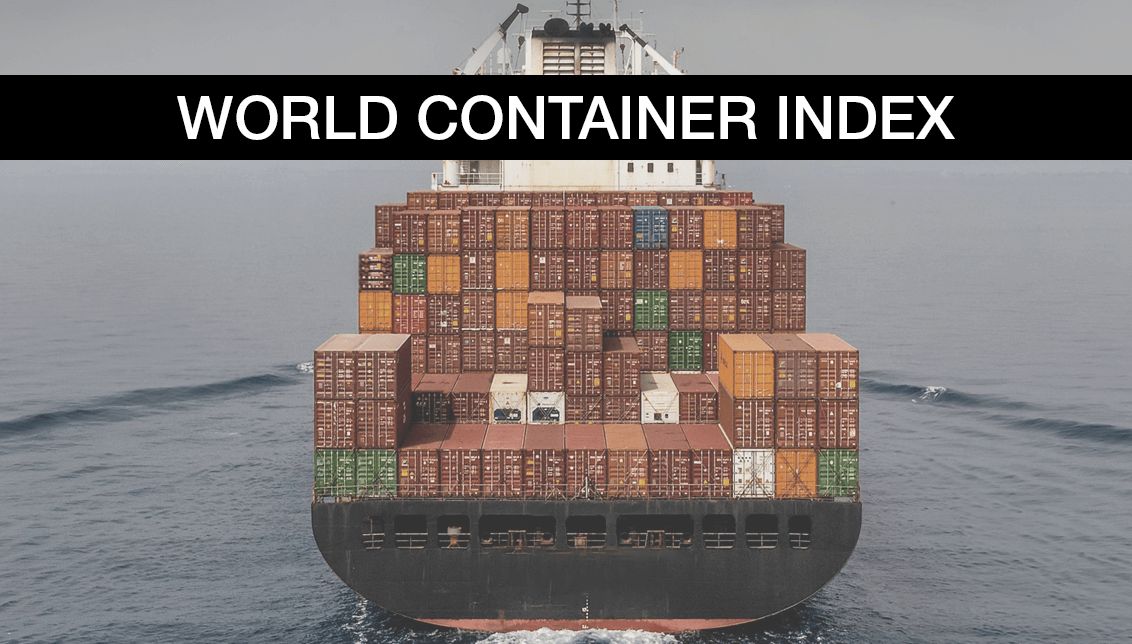
Drewry's World Container Index (WCI) dropped to $4,547 per 40ft container on July 16, marking a 2% decline from the previous week. The decrease indicates that the strong upwards momentum seen during peak season is beginning to subside, suggesting potential relief after months of elevated freight costs. However, rates remain well above historical averages, reflecting ongoing capacity constraints and route disruptions.
Structural Volatility, Not Cyclical Cycles, Defines 2026 Supply Chain Landscape
The 2026 State of Logistics Report flags five structural forces reshaping the industry: supply chain disruptions, labor constraints, geopolitical instability, capacity imbalances, and widening AI adoption gaps. U.S. logistics costs reached $2.4 trillion in 2025, with operators facing mounting pressure to adopt AI-driven solutions or risk competitive disadvantage. The report emphasizes that volatility is now a permanent feature, not a temporary cyclical downturn.


Red Sea Surcharges and Panama Restrictions Drive July Rate Spikes
Container freight rates from China are expected to remain firm or rise further in July 2026, driven by a "perfect storm" of disruptions: Panama Canal draft restrictions, new Suez Canal surcharges beginning July 15, and ongoing Red Sea military risks. Asia–US East Coast routes carry Red Sea premiums of $800–$1,500 per container, as carriers divert from traditional Suez Canal routes. The combination of reduced effective capacity and geopolitical uncertainty is expected to keep rates elevated through mid-summer.
Shipping & Freight
Red Sea Disruption Premium Climbs 30–60% on Cape Route Diversions
The Red Sea crisis continues to impose significant cost and time penalties. Rerouting via the Cape of Good Hope adds 8–12 days to voyages and increases FCL (full container load) rates by 30–60% on affected routes. Shipping lines are managing capacity constraints through premium pricing and selective route selection, with Asia–Europe and India–US lanes absorbing the steepest surcharges. Carriers including Maersk and Hapag-Lloyd are gradually edging back toward Suez transit as risk assessments shift, but full normalization remains months away.
North American Logistics Giants Face Revenue Headwinds Despite Freight Recovery
Transport Topics' 2025 Top 100 Logistics rankings reveal that North America's largest logistics firms have stalled on revenue growth as the broader freight market drags into 2026. While container rates have climbed this summer, LTL (less-than-truckload) and truckload carriers report mixed results, with some tier-one operators announcing layoffs and terminal closures. The gap between peak-season rate gains and underlying volume growth has narrowed, signaling demand fragility beneath apparent rate strength.
Supply Chain News Roundup: Tariff Frontloading and Border Trade Tensions
This week's logistics headline collection includes escalating import frontloading ahead of the July 24 tariff deadline, carrier surcharges on Asia–US lanes, and renewed border trade pressures. Importers are accelerating shipments to beat anticipated tariff increases, creating temporary demand spikes but masking underlying volume weakness. The tariff uncertainty is fragmenting shipper behavior: some are pulling forward; others are deferring purchases, complicating carrier capacity planning.
Logistics & Warehousing
RFID Rollout and Warehouse Robotics Accelerate as Labor Costs Soar
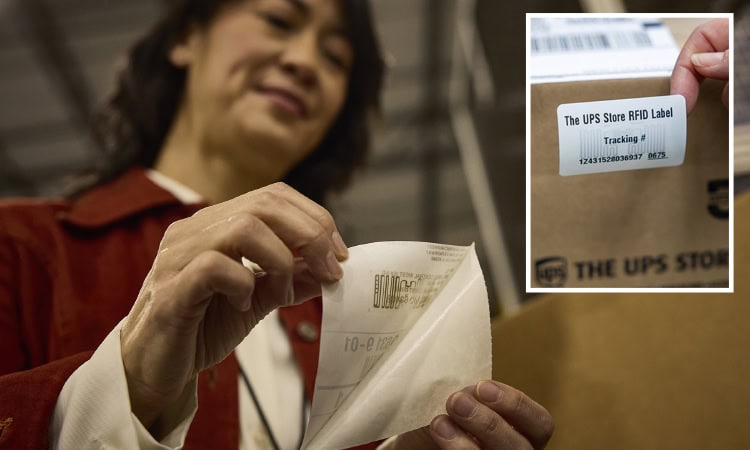
UPS is expanding its RFID (radio-frequency identification) rollout across facilities, while the broader logistics industry is adopting warehouse robots and autonomous mobile robots (AMRs) to offset rising labor costs and speed fulfillment. Helium shortages are impacting chipmakers and IoT sensor deployment, creating secondary supply chain friction. Reverse logistics automation—returning defective or unsold goods—is emerging as a profit center for 3PLs and retailers managing high e-commerce return volumes.
Beyond Automation: Human Expertise Remains Critical in AI-Powered Supply Chains
While automation hype dominates industry conferences, supply chain leaders are recognizing that human judgment and domain expertise remain irreplaceable in complex logistics networks. The future of supply chain excellence will be driven by human-AI collaboration, not replacement. Successful operators are balancing autonomous decision-making (for routine tasks like dock scheduling and load planning) with human oversight for exception handling, negotiation, and strategic planning.
Technology & Innovation
Physical AI Converges on Warehouse Floors: Five Operational Moves in Mid-2026
Industrial robotics and AI are transitioning from pilot programs to operating infrastructure. Key developments include autonomous mobile pallet systems (Logic's Logic Pallet), AI-powered forklift platforms, and rack-climbing AMRs. Operations and procurement leaders are now evaluating real ROI from these systems, moving past hype into pragmatic adoption based on labor economics and ROI timelines. ABB's autonomous forklift and NVIDIA's open robotics models represent enterprise-grade solutions reshaping automation investment decisions.

Emerging Logistics Tech Trends: 2026 Marks Shift from Pilots to Infrastructure
2026 is the year logistics technology moved from proof-of-concept pilots to production infrastructure. AI forecasting, autonomous workflow systems, document automation, and appointment scheduling are now operational tools, not experimental features. Supply chain executives are evaluating vendors not on technology novelty but on data quality, system integration depth, and change management support. The competitive advantage has shifted from early adoption to execution excellence and organizational alignment.
What to Watch Next Week
- July 24 tariff deadline: U.S. import surge from frontloading expected to peak; watch for volume cliff post-deadline and carrier capacity swings.
- Suez Canal surcharge implementation: New July 15 surcharges on Asia–Europe routes will flow through shipping contracts; monitor if carriers maintain premium pricing.
- ArcBest and LTL restructuring fallout: Continued announcements of terminal closures and route consolidations as carriers right-size for slower freight recovery.
- Q2 earnings impact on logistics M&A: Private equity sentiment on freight consolidation will crystallize as Q2 results drive strategic buyer interest and valuation reset.
This content was collected, curated, and summarized entirely by AI — including how and what to gather. It may contain inaccuracies. Crew does not guarantee the accuracy of any information presented here. Always verify facts on your own before acting on them. Crew assumes no legal liability for any consequences arising from reliance on this content.
Powered by
