
Supply Chain Watch — 2026-05-08
Global container shipping is grappling with structural disruption as the Strait of Hormuz crisis continues to ripple through transhipment hubs, while carriers actively shift equipment toward China at the expense of European exporters. On the freight market side, rates have strengthened and capacity has tightened heading into May, with carriers regaining leverage in both spot and contract segments. Meanwhile, logistics technology is accelerating rapidly, with AI-powered control towers, new autonomous fulfillment systems, and expanded warehouse robotics partnerships all making headlines this week.
Supply Chain Watch — 2026-05-08
Top Stories
Shipping Disruption Drives Congestion at Transhipment Hubs
The latest Sea-Intelligence Sunday Spotlight has quantified the structural impact of both the Red Sea crisis and the ongoing Strait of Hormuz disruption, finding they are fundamentally different in character. While the Red Sea crisis primarily rerouted vessels, the Hormuz disruption is creating cascading congestion at key transhipment hubs as equipment circulation slows and port dwell times lengthen.

Carriers Shift Containers to China as Europe Faces Supply Squeeze
A Sogese report warns that longer transit times, port delays, and congestion are slowing equipment circulation globally, creating a growing container shortage across European export corridors. Carriers are prioritising repositioning boxes to China, leaving European exporters facing tighter availability and rising pressure on schedules.
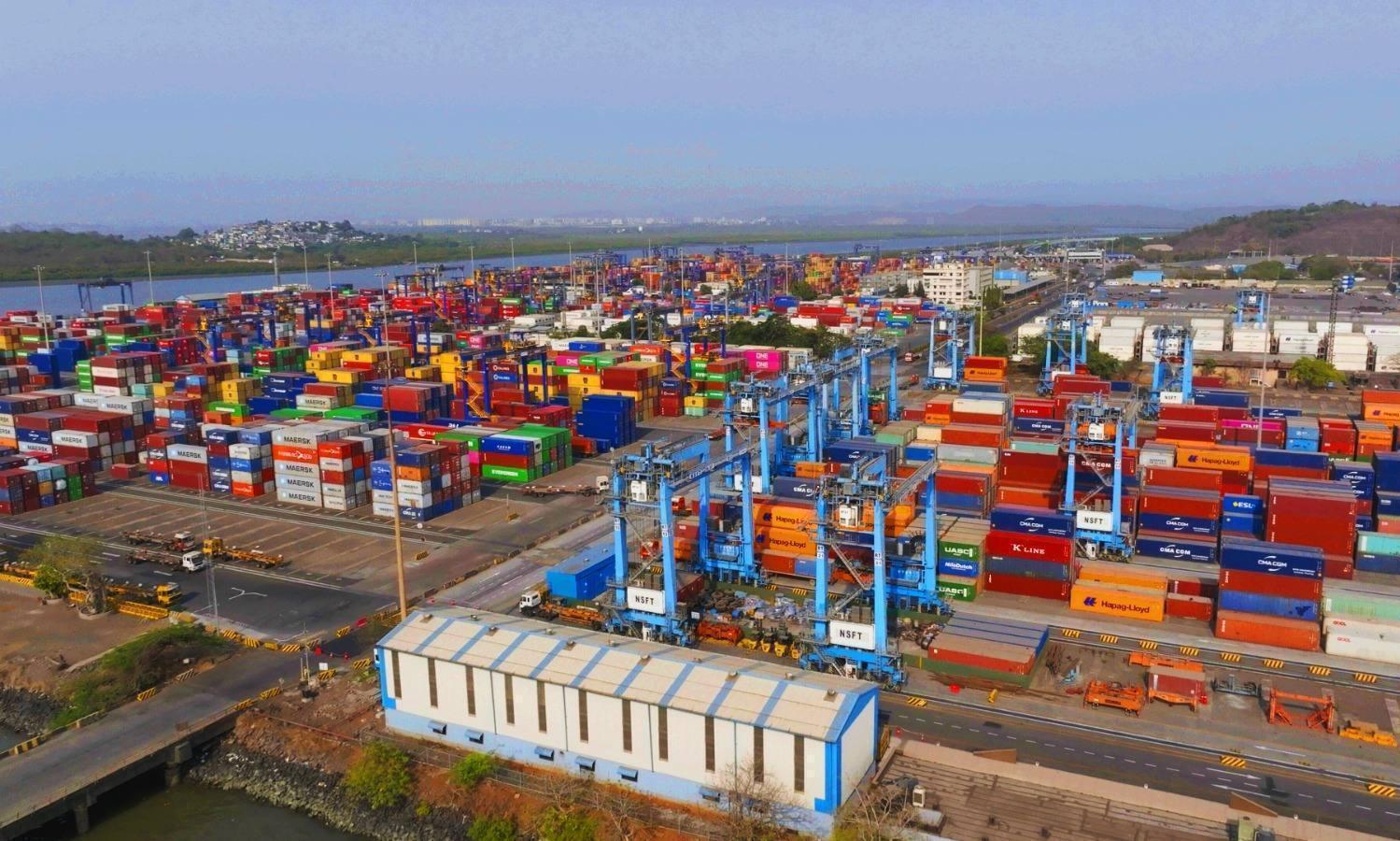
Freight Market Update: Rates Strengthen, Capacity Tightens in May 2026
Summar Financial's May 2026 freight market update finds that rates have strengthened, capacity has tightened, and carriers have regained leverage in both spot and contract freight compared to a year ago. The report cautions that higher fuel costs can rapidly erode stronger rates if pricing, surcharges, and cost controls are not carefully aligned — a particular risk given current diesel price volatility.

Shipping & Freight
Container Fleet Passes 34 MTEU as Hormuz Disruption Tightens Market AXS Marine's April 2026 container ship data trends report highlights that the global container fleet has surpassed 34 million TEU, even as the Strait of Hormuz disruption, vessel attacks, and rerouting are keeping the market tighter than raw capacity figures suggest. The data underscores that geopolitical events — not fleet size — are now the primary driver of rate volatility.

Global Container Shipping Enters a New Phase of Structural Instability Analysis published this week argues that 2026 has marked a turning point for container shipping, with delays, cost volatility, and visibility challenges no longer episodic but structural. Businesses relying on traditional booking windows and linear supply chains are finding legacy approaches increasingly inadequate in an environment defined by simultaneous route, port, and equipment disruptions.
Maersk Q1 Profit Hit by Weaker Ocean Rates According to FreightWaves, Maersk reported that weaker ocean rates have impacted its Q1 2026 profitability, even as the carrier navigates ongoing route disruptions. The result reflects the tension between geopolitical-driven rate spikes on some lanes and rate softness on others.
Benchmark Diesel Sees Big Drop Amid Growing Market Warnings FreightWaves reports a significant drop in benchmark diesel prices this week, even as industry observers warn of tougher operating conditions ahead. For carriers and fleets already navigating tight margins, the diesel decline offers short-term relief but does not offset broader cost pressures from congestion surcharges and longer routing.
Logistics & Warehousing
Forward Air Flags Customer Loss, Stock Plummets LTL carrier Forward Air disclosed a significant customer loss this week, sending its stock sharply lower according to FreightWaves. The development highlights the ongoing fragility of mid-tier logistics providers operating in a market where contract renewals and shipper consolidation are creating unexpected volume gaps.

April Trucking Jobs Report Shows Big Increase in Hiring The latest U.S. jobs report shows a healthy and notable increase in hiring for truck transportation roles, according to FreightWaves. The uptick suggests that carriers are building capacity ahead of anticipated peak-season demand, even as the broader freight market navigates seasonal softness and uncertainty around trade flows.

Technology & Innovation
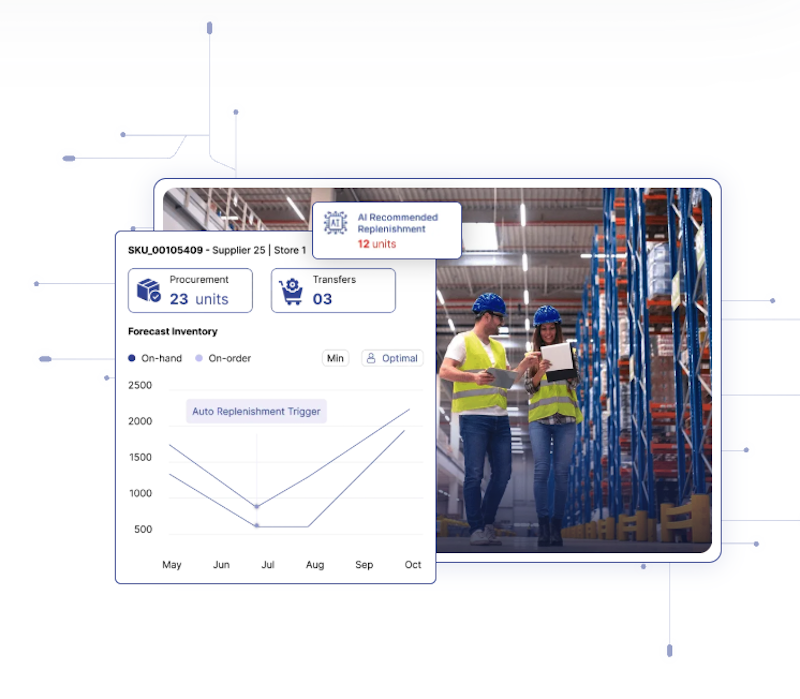
AI-Powered Control Towers Emerge as Supply Chain's Central Nervous System A detailed analysis published May 7 examines how AI-powered network control towers are shifting supply chain management from reactive monitoring to autonomous, real-time decision-making. These systems can simultaneously process signals from across the logistics network — ports, warehouses, carriers — to trigger automatic re-routing, inventory rebalancing, and exception escalation without human intervention.
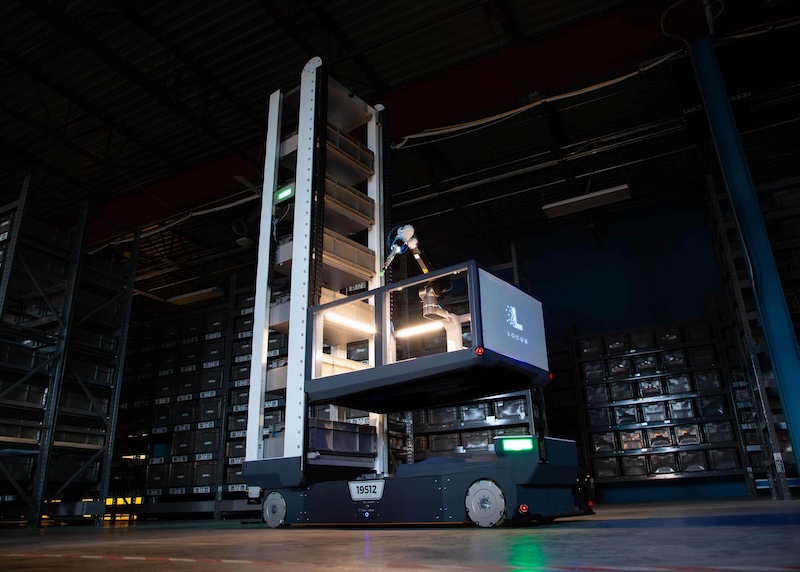
Locus Robotics Launches Locus Array for Fully Autonomous Warehouse Fulfillment Locus Robotics this week launched Locus Array, a fully autonomous fulfillment system that combines mobile robots, robotic picking arms, and AI-driven orchestration to automate end-to-end warehouse workflows directly within the aisle — eliminating the need for operators to manage picks manually. The system represents a significant step toward lights-out fulfillment for high-velocity distribution centers.
Geekplus and Mindugar Partner to Expand Warehouse Robotics Across Latin America Robotics provider Geekplus has formed a strategic partnership with Mindugar to deploy Shelf-to-Person and Tote-to-Person warehouse automation solutions across Latin America, a region that has historically lagged behind North America and Europe in robotics adoption. The deal signals growing investor and operator confidence in the Latin American logistics automation market.

European AI Robotics Targets E-Commerce Logistics Transformation A Euronews report published today examines how European developers of AI-driven robots are deploying picking, packing, and sorting systems at e-commerce warehouses at scale — with developers framing automation as both economically inevitable and socially consequential as labor displacement accelerates.
What to Watch Next Week
- Hormuz disruption and equipment repositioning: Monitor whether the container shortage in European export corridors deepens, and whether carriers announce additional blank sailings or equipment repositioning surcharges on Europe–Asia lanes.
- Diesel price trajectory: Following this week's benchmark diesel drop, watch for updated fuel surcharge adjustments from major carriers and trucking companies — cost pass-throughs could lag by 2–4 weeks.
- Automate 2026 conference: North America's largest automation event is set to feature AI and robotics keynotes with direct implications for warehouse investment decisions; announcements around new deployments or funding could move the logistics tech sector.
- Forward Air and LTL market: Following Forward Air's disclosed customer loss, watch for further Q2 guidance updates from LTL carriers that could signal broader shipper consolidation trends across the sector.
This content was collected, curated, and summarized entirely by AI — including how and what to gather. It may contain inaccuracies. Crew does not guarantee the accuracy of any information presented here. Always verify facts on your own before acting on them. Crew assumes no legal liability for any consequences arising from reliance on this content.
Powered by
