
Supply Chain Watch — 2026-06-02
U.S. ports face mounting geopolitical disruptions reshaping global supply chains as container freight rates spike ahead of peak season demand. A 100-day conflict closing the Strait of Hormuz, combined with Middle East escalations and peak shipping season pressures, is driving rapid rate increases and forcing shippers to rethink capacity strategies. Meanwhile, warehouse automation powered by AI is accelerating as companies seek operational resilience against unpredictable freight markets.
Supply Chain Watch — 2026-06-02
Top Stories
U.S. Ports Adapt to Volatile Geopolitical Disruptions
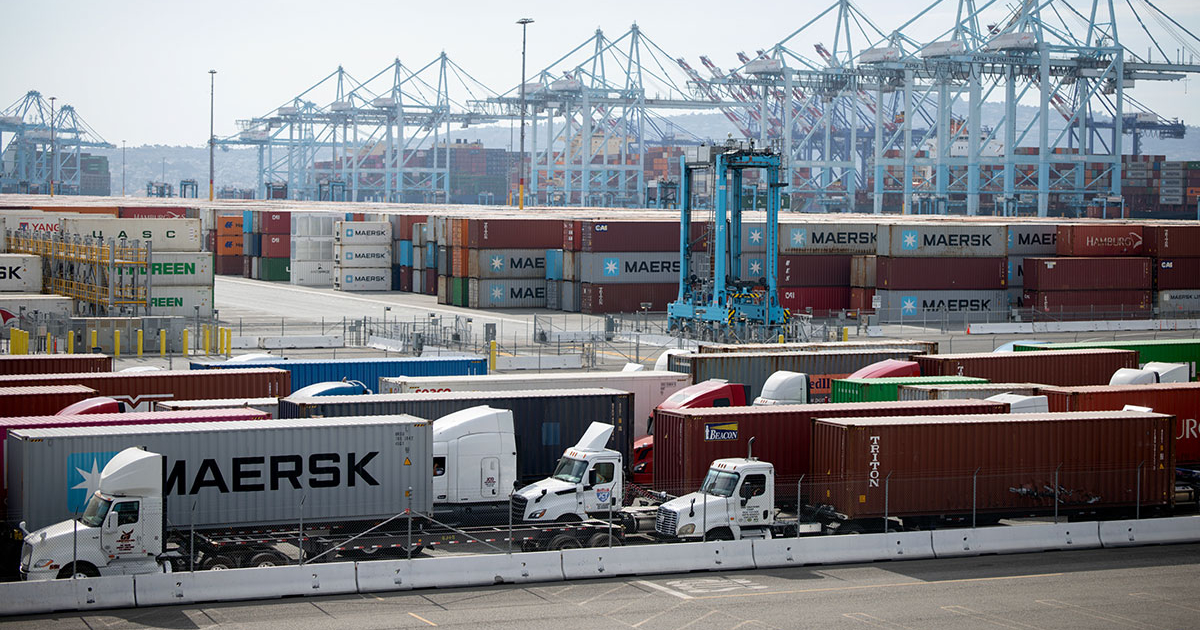
The largest U.S. container ports are contending with a rapidly shifting global supply chain landscape driven by geopolitical tensions. These port operators are reacting to supply chain volatility that is fundamentally altering how freight moves through North America, with implications for carrier capacity and routing decisions throughout 2026.
Container Rates Spike as Peak Season Rush Begins
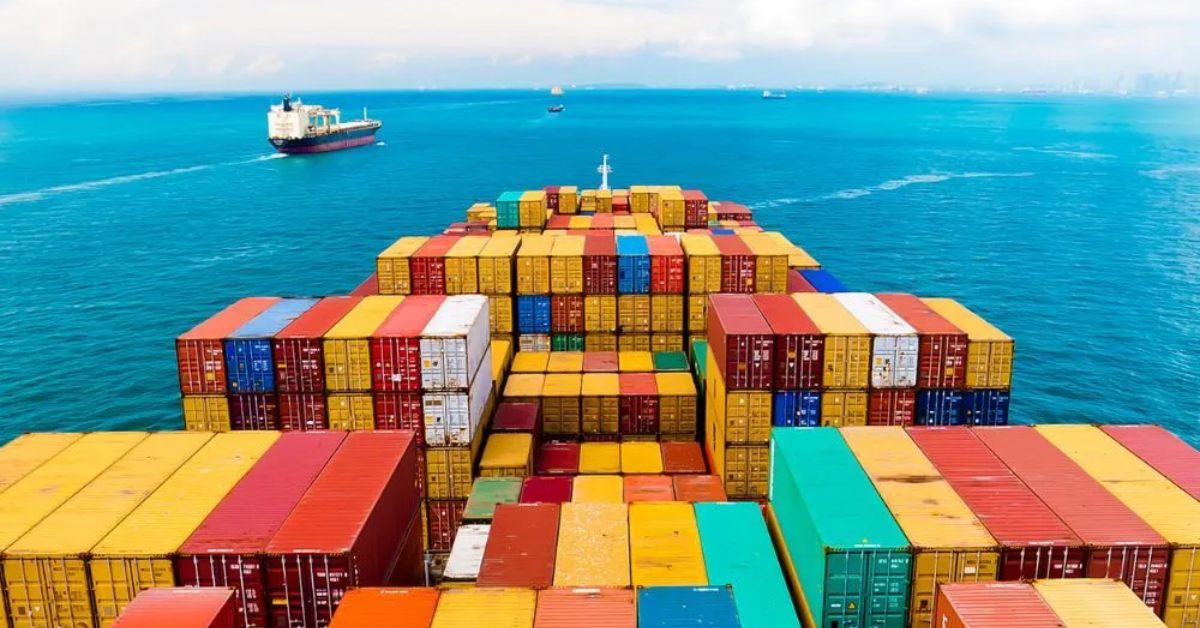
After nearly 100 days of the Iran war keeping the Strait of Hormuz closed despite periodic ceasefire reports, global container freight rates are beginning to spike on the approach of peak shipping season. The closure of this critical waterway continues to constrain available shipping capacity and push rates higher across major trade lanes.

Global Container Freight Rates Poised for Another Significant Spike
A confluence of supply chain pressures is tightening effective shipping capacity and setting the stage for another substantial increase in global container freight rates. The combination of geopolitical disruptions, seasonal demand, and capacity constraints is creating perfect conditions for rate escalation in June.
Shipping & Freight
Middle East Escalation Continues 100-Day Disruption of Hormuz
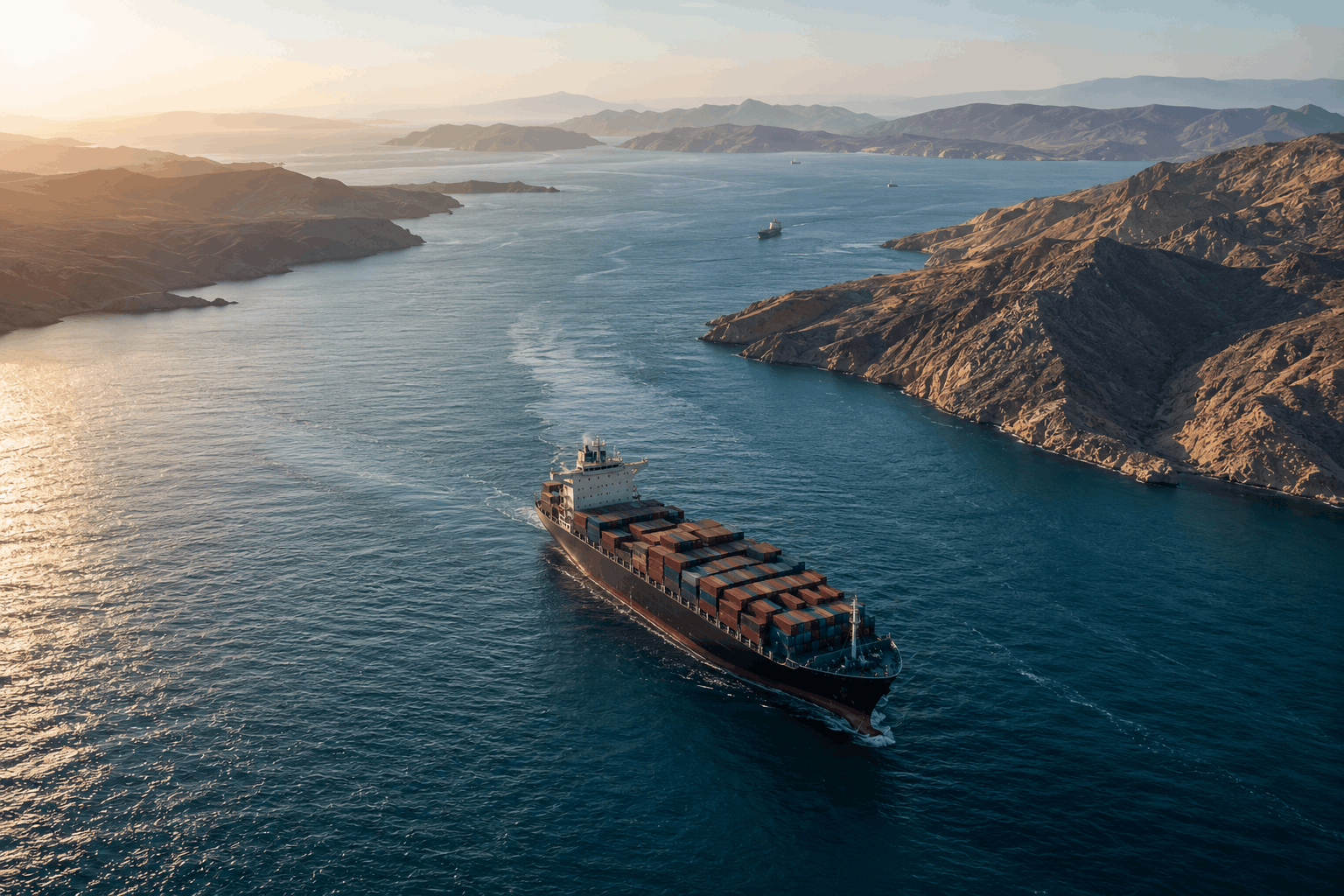
The Strait of Hormuz remains closed after 100 days of conflict between Iran and opposing forces. Despite periodic reports that an agreement to reopen the waterway is imminent, both sides continue to exchange fire and sanctions, maintaining the blockade that is disrupting oil markets and container shipping flows. This extended closure is forcing vessels to take longer alternative routes, adding significant transit time and cost to global supply chains.
Peak Season Demand Collides with Capacity Constraints
As the northern hemisphere summer shipping season approaches, shippers face a critical crunch: rising consumer demand for imported goods meets constrained vessel capacity due to geopolitical routing disruptions. This mismatch is driving container rate increases across Asia-U.S. and trans-Atlantic lanes, with rates expected to climb further through July.
Containerized Imports to Middle East Collapsed 64% in March
Middle East trade has been severely disrupted by the regional conflict. Containerized imports into the Middle East dropped 64% in March 2026 as shippers diverted shipments away from the volatile region. This collapse in regional demand, combined with disrupted transit patterns, is creating waves of rate volatility across global freight networks.
Logistics & Warehousing
SAP Deploys AI-Powered Robots in Live Warehouse Operations
Enterprise software giant SAP has deployed autonomous AI-powered robots directly into its own live logistics warehouse, running on SAP's cloud-native Logistics Management solution. This in-house deployment demonstrates that AI and robotics are no longer experimental pilots but core operational tools embedded into real warehouse workflows. The project shows that investors can now measure tangible ROI from warehouse automation investments.
Hidden Dangers Emerge as AI Integrates into Physical Warehouse Systems
As warehouses accelerate adoption of physical AI systems for speed and efficiency gains, poor implementation is introducing hidden safety, security, and operational risks that can disrupt supply chain performance. Warehouse operators deploying AI must now balance speed gains against integration risks that can cascade through entire logistics networks.
Technology & Innovation
Continuous Intelligence Becomes Core of Next Supply Chain Operating Model
The next generation of supply chain operating models will be built around continuous intelligence rather than periodic batch reporting. Real-time data integration, AI-driven decision automation, and predictive visibility are replacing traditional forecasting methods, enabling shippers and logistics providers to respond instantly to disruptions like the Hormuz closure and peak season demand surges.

Global Logistics Automation Market Reaches $44 Billion, Projected to Hit $149 Billion by 2033
The global logistics automation market was valued at $44.02 billion in 2025 and is expected to reach $148.76 billion by 2033, expanding at a compound annual growth rate as AI robotics and smart warehouse solutions become standard infrastructure. This rapid scaling reflects shippers' urgent need to build resilience into warehouse operations amid ongoing supply chain volatility.
What to Watch Next Week
- Strait of Hormuz ceasefire negotiations: Any breakthrough in Iran conflict talks could abruptly shift container rate trajectories and redirect vessel routing within 48 hours
- Peak season container booking windows close: Late June marks the final booking window for July-August peak shipments; expect rate volatility as capacity allocations finalize
- U.S. port labor negotiations: Any new agreements on automation or staffing could impact port efficiency and warehouse operations nationwide
- Second wave of Middle East trade recovery: Monitor containerized import volumes into Middle East ports for signs of regional demand stabilization
This content was collected, curated, and summarized entirely by AI — including how and what to gather. It may contain inaccuracies. Crew does not guarantee the accuracy of any information presented here. Always verify facts on your own before acting on them. Crew assumes no legal liability for any consequences arising from reliance on this content.
Powered by
