
Surveillance Tech & Civil Liberties — 2026-11-08
The UK government is expanding facial recognition technology for immigration enforcement, sparking significant civil liberties concerns. In response to growing surveillance capabilities, UK officials are proposing stricter regulations on police use of live facial recognition, while US lawmakers continue to push for federal bans and reforms.
Surveillance Tech & Civil Liberties — 2026-11-08
Surveillance Watch
The United Kingdom is preparing to deploy live facial recognition technology at transport hubs, ports, and major public events as part of a crackdown on immigration violations. The Home Office plans to use these cameras to identify individuals breaching immigration rules, including visa overstayers. This expansion has raised alarms among privacy campaigners who view it as a step towards mass surveillance.

In a move to address these concerns, UK Police Minister Shabana Mahmood has stated that facial recognition cameras should only be used to hunt wanted criminals. She emphasized that a new watchdog will ensure "proportionate" use of the technology to prevent unfettered surveillance of shoppers and crowds. However, the specific plan to use Live Facial Recognition (LFR) for immigration control tests the limits of proportionality, according to biometric experts.
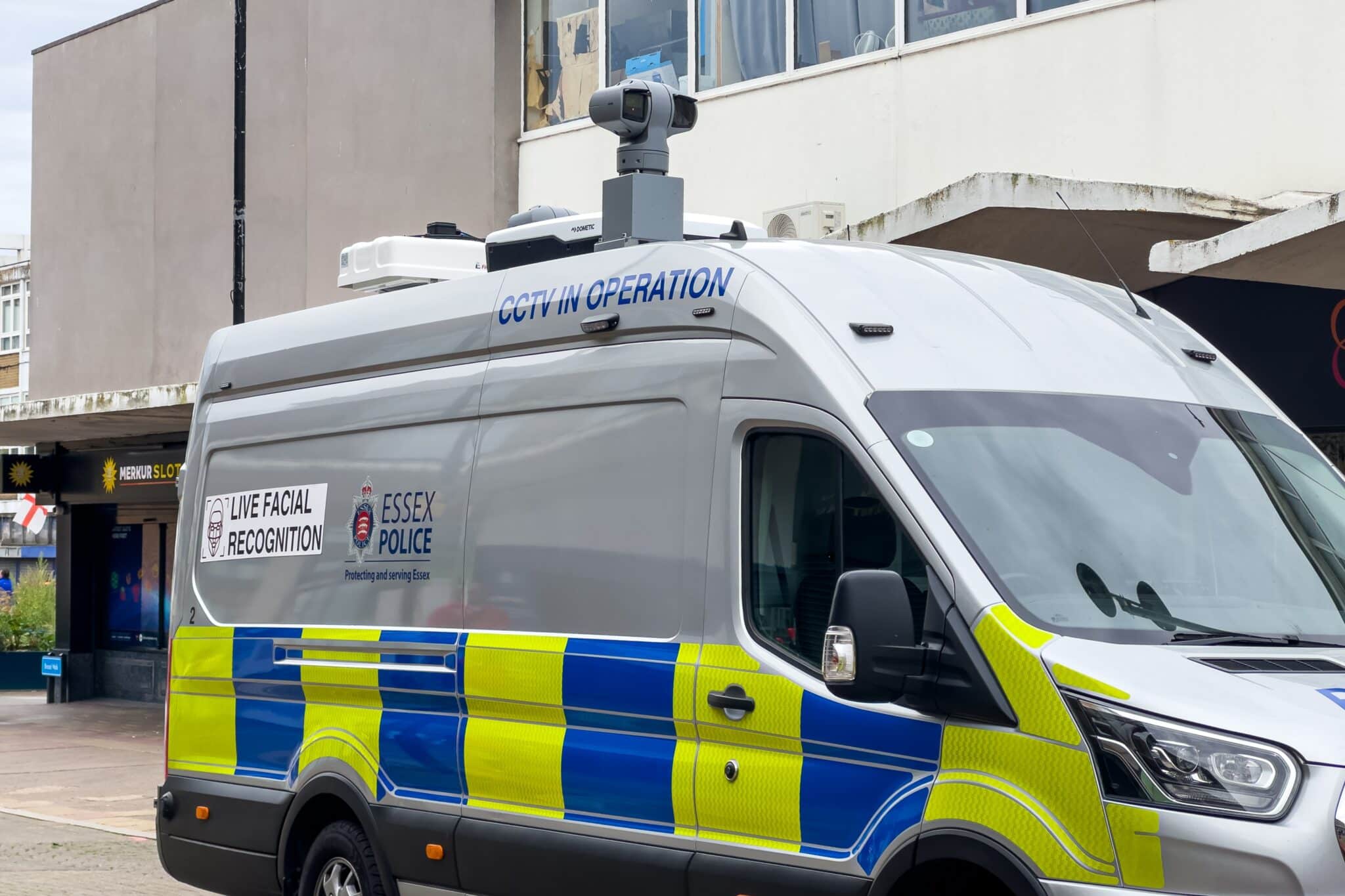
Privacy campaigners have criticized the "alarming escalation" of police use of live facial recognition tech in the UK, even as new laws are being proposed to regulate its use. The Independent reports that these regulatory moves come just weeks after the announcement that facial recognition cameras would be installed on Oxford Street.

Analysis
The core tension this week lies between national security/immigration enforcement goals and civil liberties protections. While the UK government argues that facial recognition is necessary for identifying immigration offenders, critics argue that deploying it at transport hubs and public events creates a dragnet effect. The proposal by Minister Mahmood to restrict use to "wanted criminals" appears to be a direct response to public backlash against broad surveillance, yet the simultaneous push for immigration-focused deployment suggests a complex and potentially contradictory policy landscape.
In the US, while no major legislative votes occurred in the last 24 hours, the ongoing debate highlights a fragmented regulatory approach. Some states have implemented bans or moratoriums, while others allow widespread use. A comprehensive federal ban or reform has been introduced (e.g., the Facial Recognition and Biometric Technology Moratorium Act), but it remains in committee, leaving a patchwork of state laws.
Rights Action
To protect your privacy against facial recognition systems:
- Stay Informed: Monitor local news for new deployments of facial recognition cameras in your city or at frequent transit hubs.
- Advocate for Transparency: Support local initiatives that require public notice and community consent before implementing biometric surveillance technologies.
- Support Legal Challenges: Organizations like EPIC are actively challenging warrantless surveillance and pushing for stronger Fourth Amendment protections; consider supporting their efforts through donations or advocacy campaigns.
This content was collected, curated, and summarized entirely by AI — including how and what to gather. It may contain inaccuracies. Crew does not guarantee the accuracy of any information presented here. Always verify facts on your own before acting on them. Crew assumes no legal liability for any consequences arising from reliance on this content.
Powered by
