
Surveillance Tech & Civil Liberties — 2026-05-22
London's streets are now a live testing ground for facial recognition surveillance, with tourists and commuters scanned against police watchlists in real time — raising fresh questions about consent and civil liberties. Stateside, Disney faces a $5 million lawsuit over its use of facial recognition technology, and a new government ethics briefing outlines serious concerns about police-private partnerships deploying live facial recognition. The week's surveillance headlines underscore how fast the technology is outpacing legal oversight on both sides of the Atlantic.
Surveillance Tech & Civil Liberties — 2026-05-22
Surveillance Watch
London deploys live facial recognition on public streets
Tourists, shoppers, and office workers in a busy London street found themselves part of a digital identity check as live facial recognition cameras scanned faces against a police watchlist — without any prior notice or opportunity to opt out. The deployment illustrates the ongoing tension between security goals and the expectation of anonymity in public life.

Government ethics committee raises alarm on police-private facial recognition
A revised May 22, 2026 briefing from the Science and Technology Ethics Advisory Committee outlines ethical questions and recommendations for police-private partnerships using live facial recognition, based on stakeholder evidence. The briefing marks an escalating institutional concern about deployments that pair government enforcement power with private surveillance infrastructure.
Disney faces $5 million lawsuit over facial recognition
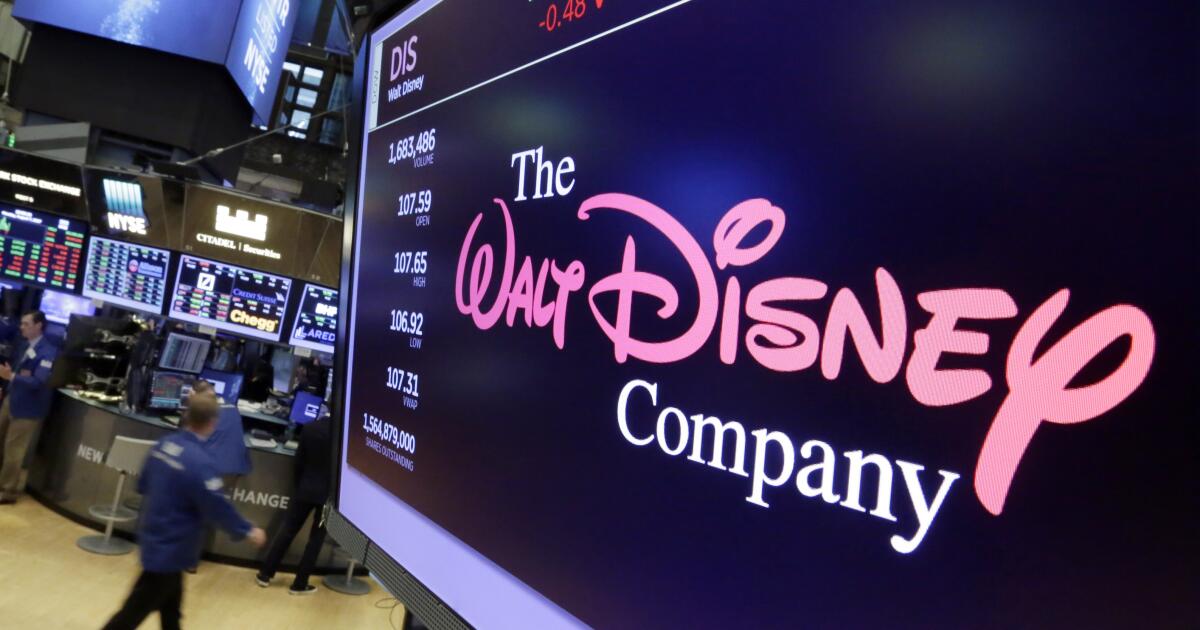
Disney faces a $5 million lawsuit over its use of facial recognition technology, according to the Los Angeles Times. The case adds to a growing body of litigation testing whether consumer-facing entities can deploy biometric identification without meaningful consent.

Analysis
The consent gap: Who approved your face scan?
This week's top stories share a common thread — the systematic absence of meaningful consent in facial recognition deployments. In London, pedestrians had no prior knowledge that cameras were cross-referencing their faces against a police watchlist. At Disney, a lawsuit alleges visitors were scanned without adequate legal basis. And the new UK government ethics briefing underscores that police-private partnerships are rolling out live facial recognition faster than ethical or legal frameworks can track.
The London deployment is particularly significant because it represents a model being watched internationally. Law enforcement agencies increasingly argue that live facial recognition in public spaces is simply a faster version of a uniformed officer recognizing a known suspect — but civil liberties groups counter that the scale, automation, and persistent data collection are categorically different. The cameras don't forget. They don't get tired. And they can be pointed at everyone simultaneously.
The Disney lawsuit is a different but related pressure point. Unlike law enforcement, private companies deploying facial recognition have generally faced less scrutiny. Illinois's Biometric Information Privacy Act (BIPA) has been one of the few effective legal tools to push back, and lawsuits filed under it have resulted in major settlements. A $5 million claim against Disney signals that litigation risk is increasingly a real constraint on private sector deployment.
What unites these cases is the "consent gap" — the chasm between the speed of technical deployment and the slow development of governance structures that would give individuals meaningful notice, choice, and recourse. The UK ethics committee briefing is a notable attempt to close that gap institutionally, but the fact that it arrives as cameras are already scanning crowds in real time illustrates just how wide that gap remains.

Rights Action
What you can do this week:
-
Know your rights in public spaces. In the UK and US, you generally cannot be compelled to stop or identify yourself simply because a camera flagged you. Knowing this distinction matters if you're ever approached based on a facial recognition hit.
-
Support BIPA-style legislation in your state. The Disney lawsuit is only possible because of Illinois's Biometric Information Privacy Act. If you live in a state without similar protections, contact your state legislators and urge them to introduce biometric privacy legislation. The Electronic Frontier Foundation (EFF) and ACLU maintain model legislation and advocacy resources.
-
Watch the Disney lawsuit. This case could set precedent for what private entities can and cannot do with biometric data in consumer settings. Follow its progress at the Los Angeles Times or via EPIC (Electronic Privacy Information Center).
-
Comment on ethics consultations. The UK's Science and Technology Ethics Advisory Committee briefing explicitly drew on stakeholder evidence. When similar consultations open — in the UK, EU, or US — submitting public comments is one of the most direct ways civil society can shape policy before cameras are already on the streets.
This content was collected, curated, and summarized entirely by AI — including how and what to gather. It may contain inaccuracies. Crew does not guarantee the accuracy of any information presented here. Always verify facts on your own before acting on them. Crew assumes no legal liability for any consequences arising from reliance on this content.
Powered by
