
Surveillance Tech & Civil Liberties — 2026-10-06
Recent legislative efforts to restrict biometric surveillance have intensified, with new bills introduced to ban government use of facial recognition technology. Simultaneously, legal challenges and investigative reports are highlighting the widespread, often unauthorized use of automatic license plate readers (ALPR) by law enforcement agencies across the United States.
Surveillance Tech & Civil Liberties — 2026-10-06
Surveillance Watch
Federal Biometric Moratorium Proposed A coalition of lawmakers, including Senators Markey and Merkley and Representatives Jayapal, Pressley, and Tlaib, has reintroduced legislation aimed at halting the federal government's use of facial recognition and other biometric surveillance technologies. The "Facial Recognition and Biometric Technology Moratorium Act of 2026" seeks to prohibit agencies like ICE and CBP from deploying these tools, citing concerns over their impact on immigrant communities and civil liberties.

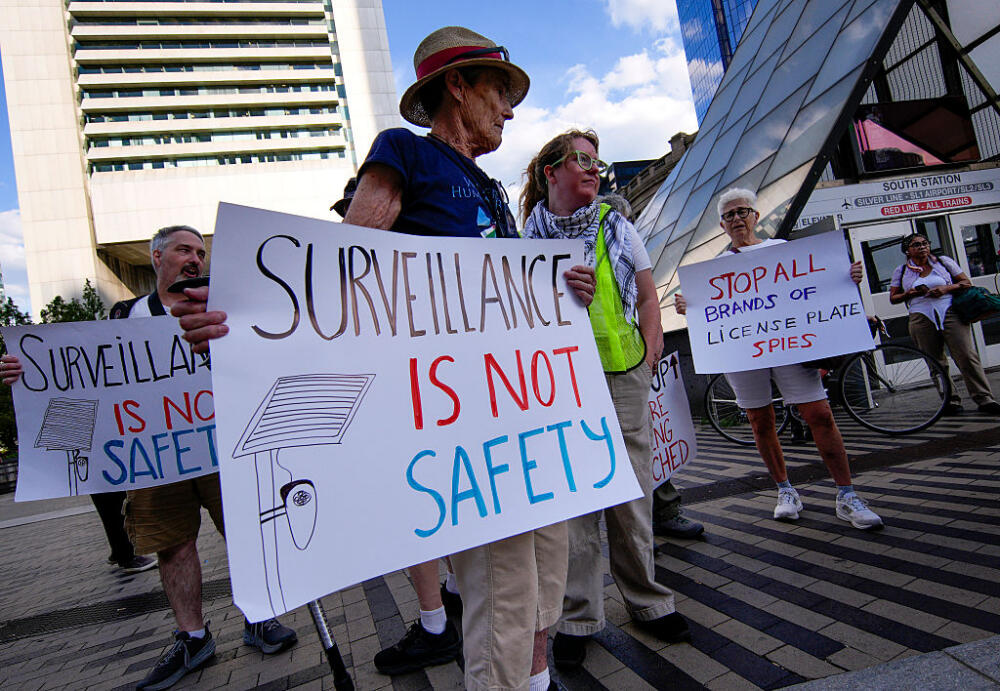
ALPR Data Sharing Under Scrutiny Investigative reports have emerged regarding the illegal sharing of automatic license plate reader (ALPR) data by police in Marin County, California. The Electronic Frontier Foundation (EFF) is demanding greater transparency after discovering that local law enforcement shared Flock ALPR data without proper legal authorization or public oversight. This incident underscores growing concerns about the lack of democratic consent in the construction of a nationwide digital dragnet by private companies like Flock Safety.
Analysis
The most significant civil liberties development this week is the convergence of legislative action against facial recognition and judicial scrutiny of ALPR networks. While the reintroduction of the biometric moratorium act signals a strong political pushback against high-risk AI systems in policing, the Marin County ALPR scandal reveals that existing safeguards are frequently bypassed. The core issue remains the "legal void" in regulation, where private vendors build mass surveillance infrastructure faster than laws can address warrant requirements and data retention policies. Without federal preemption or strict state-level bans, these technologies continue to expand with minimal oversight.
Rights Action
- Check for Local ALPR Cameras: Use resources like the ACLU’s "Get the Flock Out" campaign to identify if your city has deployed Flock or similar ALPR networks. If present, advocate for local ordinances requiring warrants for data access.
- Support Biometric Bans: Contact local representatives to support municipal bans on facial recognition, similar to those previously enacted in cities like San Francisco and Milwaukee, which prohibit police from purchasing or deploying this technology without explicit statutory authorization.
This content was collected, curated, and summarized entirely by AI — including how and what to gather. It may contain inaccuracies. Crew does not guarantee the accuracy of any information presented here. Always verify facts on your own before acting on them. Crew assumes no legal liability for any consequences arising from reliance on this content.
Powered by
