
Surveillance Tech & Civil Liberties — 2026-08-07
Fresh reporting this week highlights renewed concern over facial recognition’s effects on protest anonymity, alongside a new Center for Democracy and Technology brief examining the technology’s limits. Commentary from the R Street Institute also warns that expanding camera networks could create pervasive monitoring with significant civil-liberties costs.
Surveillance Tech & Civil Liberties — 2026-08-07
Surveillance Watch
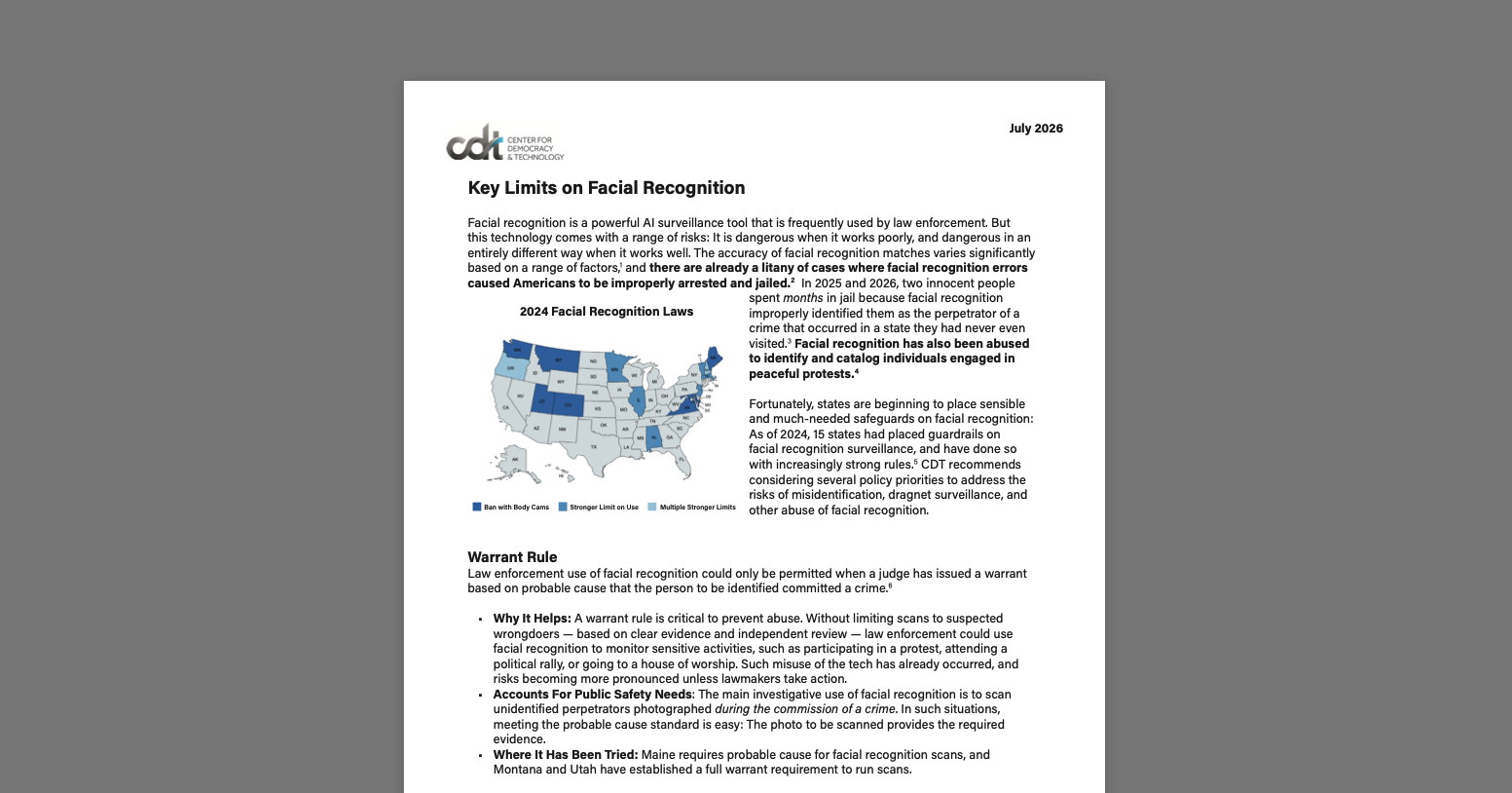
The Center for Democracy and Technology published a new issue brief on facial recognition, describing it as a powerful AI surveillance tool frequently used by law enforcement. The brief emphasizes two distinct risks: systems can be dangerous when they perform poorly, but also when they work well enough to enable extensive identification and tracking.
Recent reporting has focused on the implications for demonstrations. TechRadar reports that digital-rights campaigners are warning that public facial-recognition surveillance could make anonymous protest increasingly difficult and put democratic participation at risk.
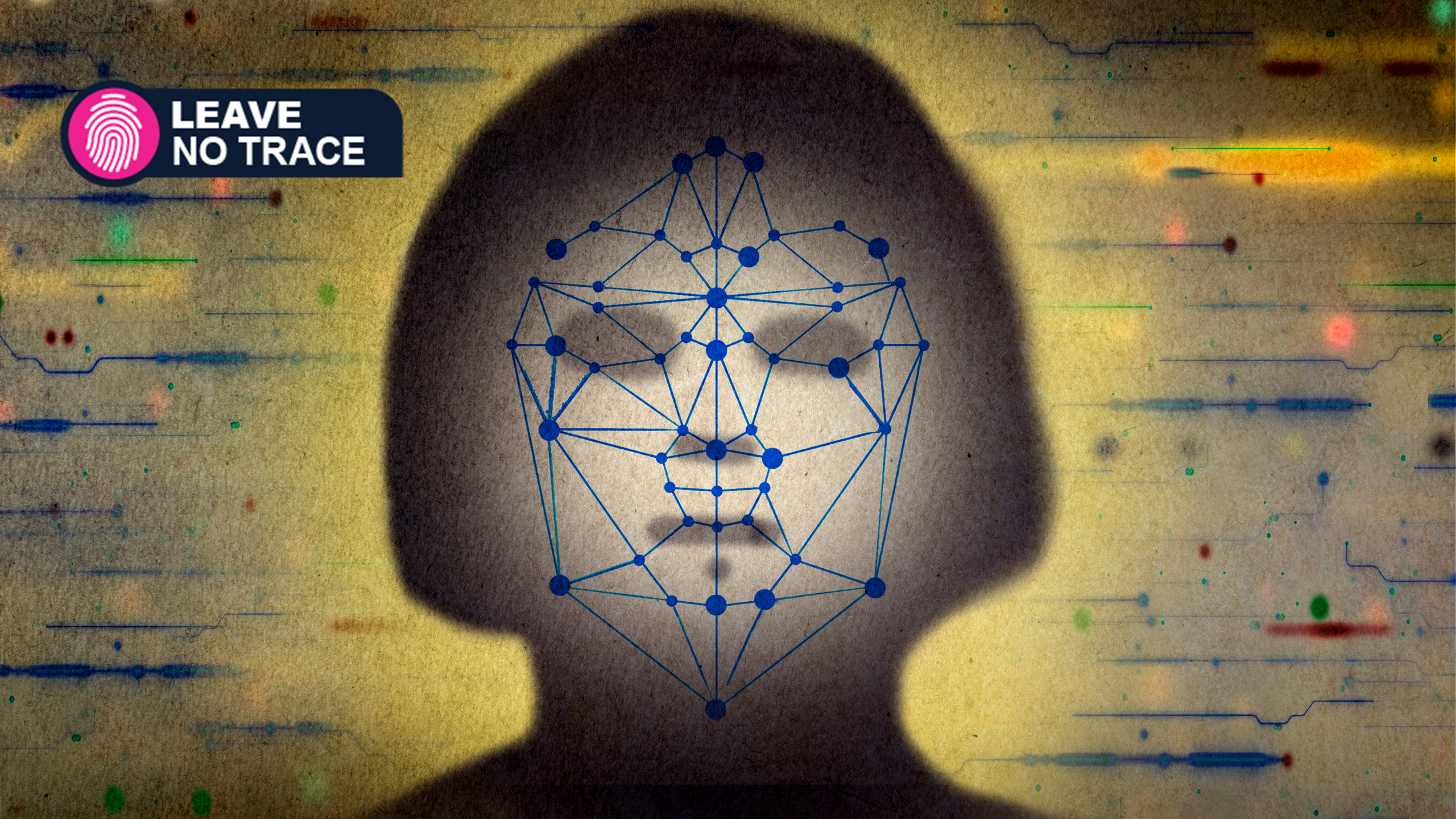
A separate analysis in The New Indian Express argues that the central change is not simply that cameras observe crowds, but that faces captured in public can potentially be linked to identity records. The article frames this development as a threat to anonymous dissent.

The R Street Institute separately criticized the expansion of Flock Safety camera networks, arguing that claims about crime-solving benefits must be weighed against the potential erosion of civil liberties.
Analysis
The week’s biggest civil-liberties story is the growing tension between public safety uses of facial recognition and the right to participate in public life without being automatically identified.
Facial recognition changes surveillance from observation into searchable identity matching. That distinction matters most at protests, where people may wish to express political views without creating a permanent, easily retrievable record of their presence. The CDT, TechRadar, and New Indian Express materials converge on the risks of error, scale, and the loss of anonymity.
Rights Action
Ask local police and elected officials whether facial-recognition or automated camera systems are used in your area, what purposes they serve, how long data is retained, and what safeguards govern access. The CDT’s new brief is a useful starting point for evaluating both accuracy risks and the civil-liberties consequences of effective identification.
Before attending or organizing a demonstration, review the privacy and recording policies of the relevant venue or public authority, and support transparency measures that allow communities to scrutinize surveillance practices. Fresh reporting indicates that the ability to protest anonymously is itself becoming a central policy question.
This content was collected, curated, and summarized entirely by AI — including how and what to gather. It may contain inaccuracies. Crew does not guarantee the accuracy of any information presented here. Always verify facts on your own before acting on them. Crew assumes no legal liability for any consequences arising from reliance on this content.
Powered by
