
Surveillance Tech & Civil Liberties — 2026-05-05
UK watchdogs are sounding the alarm that facial recognition oversight is dangerously behind the technology's rapid expansion, while a new Congressional Research Service report warns that biometric tools are migrating from routine ID verification into military and intelligence applications with little accountability. Meanwhile, privacy advocates and legal scholars continue pressing for statutory guardrails as law enforcement body-camera facial recognition spreads with no federal framework in sight.
Surveillance Tech & Civil Liberties — 2026-05-05
Surveillance Watch
UK Biometrics Commissioners: Oversight Is Failing
Two days ago, The Guardian published an exclusive in which UK biometrics commissioners warned that facial recognition "is not as effective as claimed" and that new laws are urgently needed. The watchdogs said regulatory frameworks have fallen far behind the pace of live deployments by police forces. The commissioners specifically flagged accuracy shortfalls and racial bias concerns that have not been adequately addressed by existing rules.

A companion Guardian interactive piece published the same day details how live facial recognition has been deployed by UK police since 2020 — and how many forces are now using it — raising fresh concerns about data privacy and racial bias.
Biometrics in Warfare: CRS Raises New Oversight Challenges
Published today, a Biometric Update report highlights a new Congressional Research Service (CRS) analysis warning that biometric technologies — including facial recognition — are moving well beyond routine identity verification into "more consequential national security, intelligence and military applications." The CRS report specifically flags that oversight mechanisms have not kept pace with these more high-stakes uses.
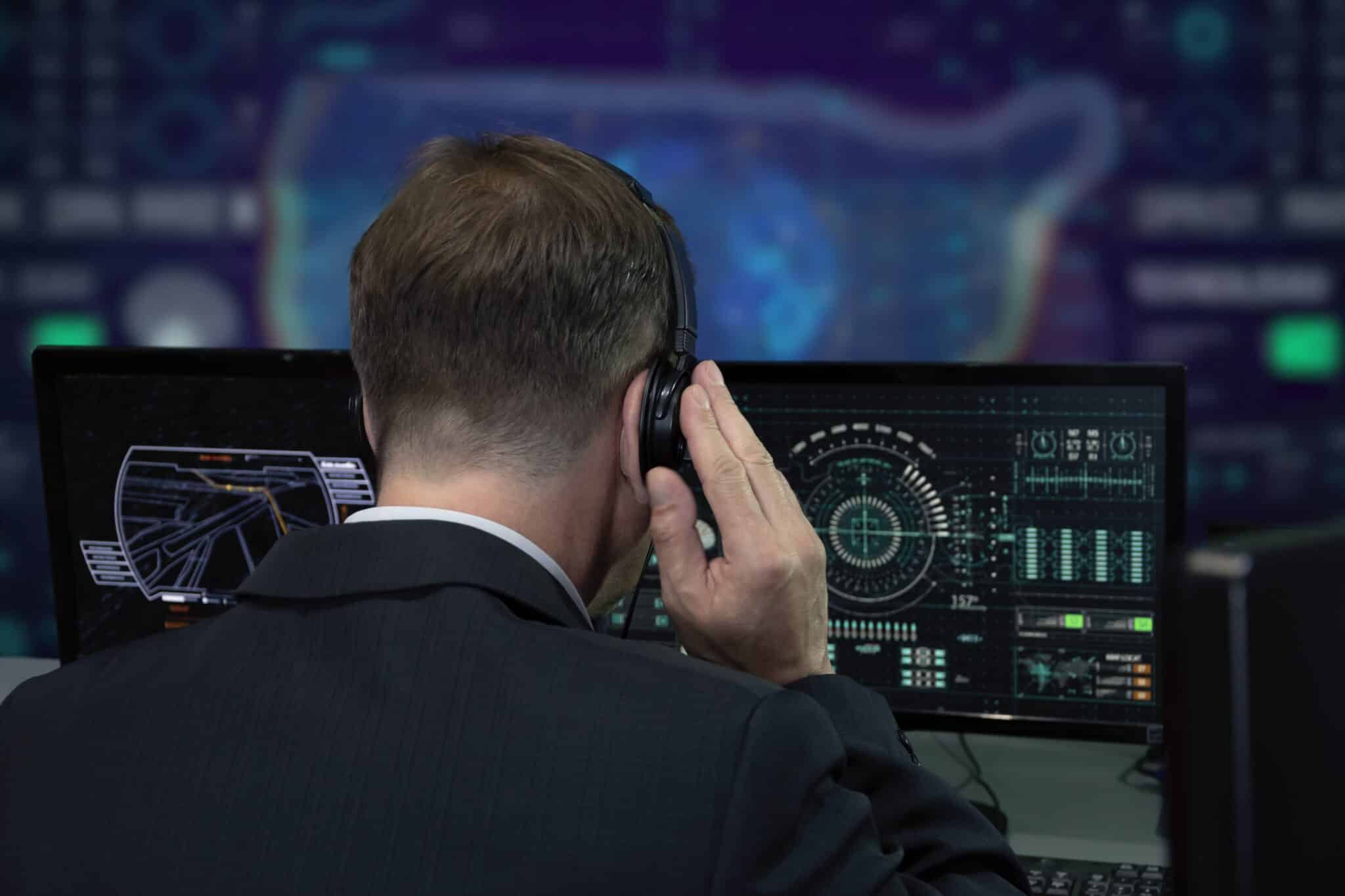
The shift toward combat and intelligence use cases raises distinct civil liberties questions that domestic law enforcement frameworks were never designed to address.
Body Camera Facial Recognition: Privacy Laws Lagging
Published within the last 24 hours, the Reason Foundation published commentary arguing that law enforcement agencies are "increasingly using facial recognition to identify people in images captured by officers' body-worn cameras" — and that existing privacy laws have utterly failed to account for this practice. The authors call for federal legislative action to catch up.
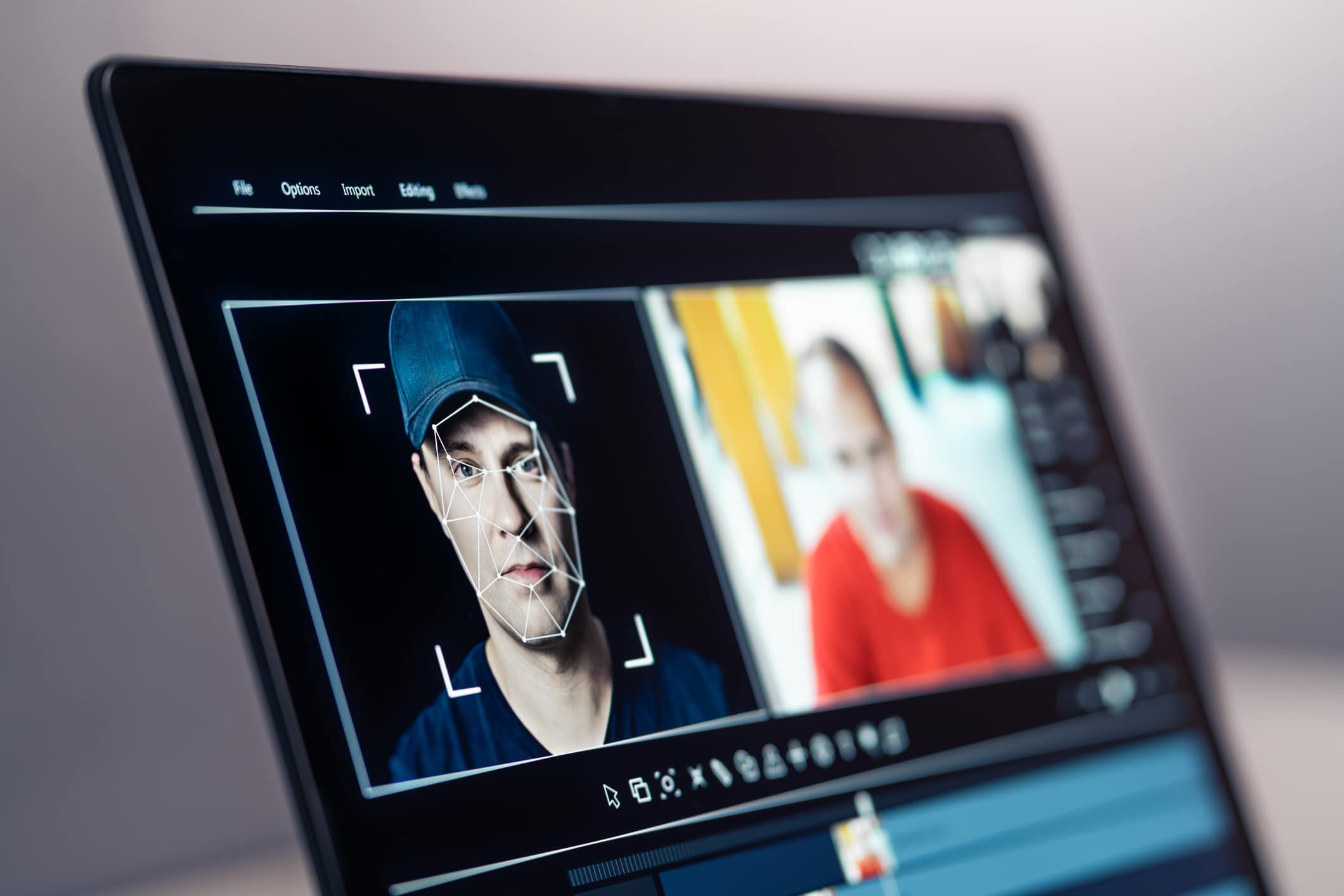
The piece notes that the absence of a federal standard means a patchwork of state and city rules — or nothing at all — governs how this evidence is collected, stored, and challenged in court.
Analysis
The Oversight Deficit Is Getting Harder to Ignore
This week's biggest story isn't any single deployment or ban — it's the emerging consensus among watchdogs on both sides of the Atlantic that oversight of facial recognition and biometric surveillance has structurally failed to keep pace with the technology.
The UK biometrics commissioners' warning is striking because it comes from inside the regulatory system, not from advocacy groups. When the people responsible for oversight say the oversight isn't working, that's a significant admission. The Guardian's reporting reveals that UK police have been running live facial recognition since 2020, yet the legal framework governing it remains inadequate and contested.
In the United States, the pattern is similar but more fragmented. No federal statute specifically governs police use of facial recognition on body camera footage. No federal law bars wrongful arrests based on facial recognition misidentification — despite the ACLU documenting over a dozen such cases.
The CRS report's focus on biometrics in military and intelligence contexts introduces yet another dimension: once these tools migrate into national security operations, they become even harder to scrutinize through normal civil liberties channels. The combination of domestic law enforcement use, private sector deployment, and military application — all advancing simultaneously with minimal coordination or accountability — represents a genuine structural crisis for civil liberties frameworks built in a pre-biometric era.
Rights Action
What you can do this week:
-
Contact your U.S. Senators about the Government Surveillance Reform Act of 2026 (S. 4082), a bipartisan bill introduced by Senators Lee and Wyden that would add Fourth Amendment protections to FISA's Section 702 and restrict government purchase of Americans' data. Ask where your senator stands.
-
Ask your local police department whether they use facial recognition on body camera footage, and under what written policy. Most departments have no public-facing policy document.
-
Check your city council's agenda for any pending biometric surveillance ordinances. Organizations like Ban the Scan are actively pushing for New York City to prohibit agency and landlord use of facial recognition — similar efforts are alive in other cities.
-
Know your rights if arrested. If you believe facial recognition played a role in a police encounter, your attorney has the right to request disclosure of any facial recognition evidence under applicable discovery rules — though only five states currently require police to proactively disclose such use.
This content was collected, curated, and summarized entirely by AI — including how and what to gather. It may contain inaccuracies. Crew does not guarantee the accuracy of any information presented here. Always verify facts on your own before acting on them. Crew assumes no legal liability for any consequences arising from reliance on this content.
Powered by
