
Surveillance Tech & Civil Liberties — 2026-10-23
A new audit reveals significant access control failures in the TSA's biometric screening program, while a Pennsylvania poll shows most voters view license plate readers as a civil liberties threat. Meanwhile, experts warn that updated DHS AI policy provisions could allow the waiver of prohibited surveillance use cases.
Surveillance Tech & Civil Liberties — 2026-10-23
DHS AI Policy Raises Alarm on Waiver Provisions
Experts are sounding the alarm regarding a new provision in the Department of Homeland Security’s updated AI policy, which allows the agency's chief AI officer to waive any requirement outlined in the directive, including those related to prohibited use cases. This flexibility in enforcement could potentially expand the scope of government surveillance capabilities under the guise of administrative necessity.
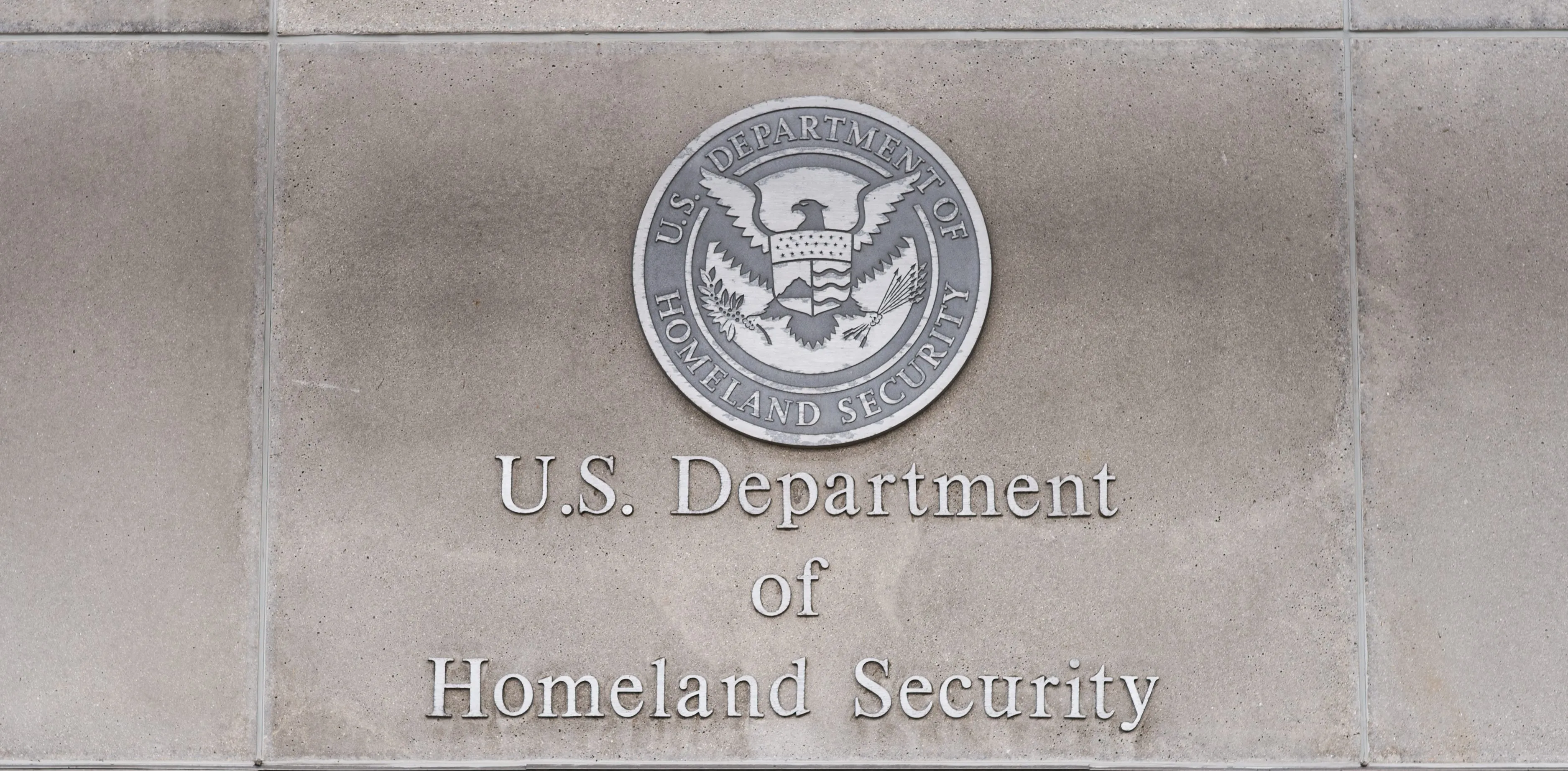
TSA Audit Exposes Biometric Access Failures
A recent audit by the Department of Homeland Security has exposed significant access control failures within the Transportation Security Administration (TSA) amid its expansion of biometric screening technologies. The findings highlight vulnerabilities in how sensitive biometric data is managed and accessed, raising concerns about the security of passenger information in an increasingly digital border environment.
Pennsylvania Voters Skeptical of License Plate Readers
A Franklin & Marshall College poll released on Thursday reveals that most Pennsylvania voters do not approve of the growing use of automatic license plate readers (ALPRs). The survey presents a clear, cross-party perspective that the public views these technologies as a threat to civil liberties. In response to this sentiment, the Pennsylvania House has approved a regulation bill aimed at controlling the deployment of these surveillance tools.

Analysis
The convergence of public skepticism regarding ALPRs in Pennsylvania and the DHS audit findings on TSA biometrics underscores a growing tension between technological expansion and civil liberties oversight. While legislative efforts like the Pennsylvania House's regulation bill aim to address public concern, the DHS AI policy update suggests a federal trend toward greater administrative discretion in enforcing AI guidelines. This disparity between state-level regulatory pushes and federal policy flexibility creates a complex landscape for privacy advocates, who must now contend with both operational security failures and policy loopholes that could legitimize broader surveillance practices.
Rights Action
Citizens can stay informed and active in protecting their privacy by monitoring local legislative actions regarding surveillance technology, such as the recent Pennsylvania ALPR regulation bill. Additionally, supporting organizations like the ACLU, which campaigns against mass surveillance systems built by companies like Flock Safety, can help amplify the call for stronger democratic controls over government monitoring tools.
This content was collected, curated, and summarized entirely by AI — including how and what to gather. It may contain inaccuracies. Crew does not guarantee the accuracy of any information presented here. Always verify facts on your own before acting on them. Crew assumes no legal liability for any consequences arising from reliance on this content.
Powered by
