
Surveillance Tech & Civil Liberties — 2026-04-24
The UK's High Court this week upheld the Metropolitan Police's use of live facial recognition, clearing the way for a nationwide rollout and sparking fresh civil liberties debate. Across the Atlantic, the Department of Homeland Security earmarked funding for facial recognition "smart" glasses for immigration agents, drawing immediate ACLU criticism. Meanwhile, a new INCLO report documents systemic failures of facial recognition technology globally — including wrongful arrests and racial bias — as civil liberties advocates push back on both fronts.
Surveillance Tech & Civil Liberties — 2026-04-24
Surveillance Watch
UK High Court Clears Live Facial Recognition for National Rollout
In a landmark ruling this week, the UK High Court upheld the Metropolitan Police's use of Live Facial Recognition (LFR), effectively clearing the way for a nationwide expansion of biometric surveillance. The government has announced plans to extend LFR across the country following the decision.
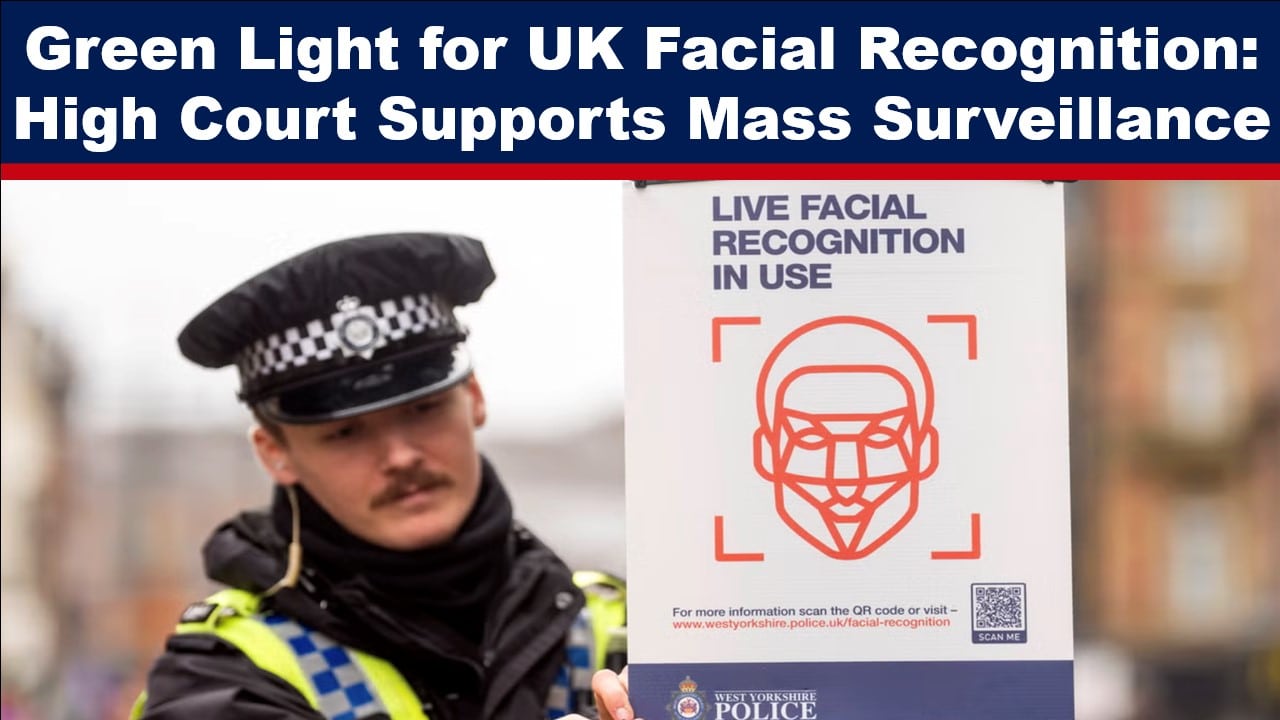
Critics argue the ruling erases meaningful consent. As one commentator wrote for LBC: "There is a world of difference between 'the police may do this' and 'the police should do this everywhere.'" The government's rollout plan would place every person passing through a camera zone in what civil liberties advocates are calling "a digital police line-up without their consent."
DHS Funds Facial Recognition "Smart Glasses" for Immigration Agents
The Department of Homeland Security has earmarked millions of dollars to equip immigration agents with "smart" glasses capable of real-time facial recognition. ACLU attorneys warn the technology could be invasive to both Americans and migrants, raising concerns about warrantless biometric identification in the field.

INCLO Report: Facial Recognition Technology "Keeps Making the Same Mistakes"
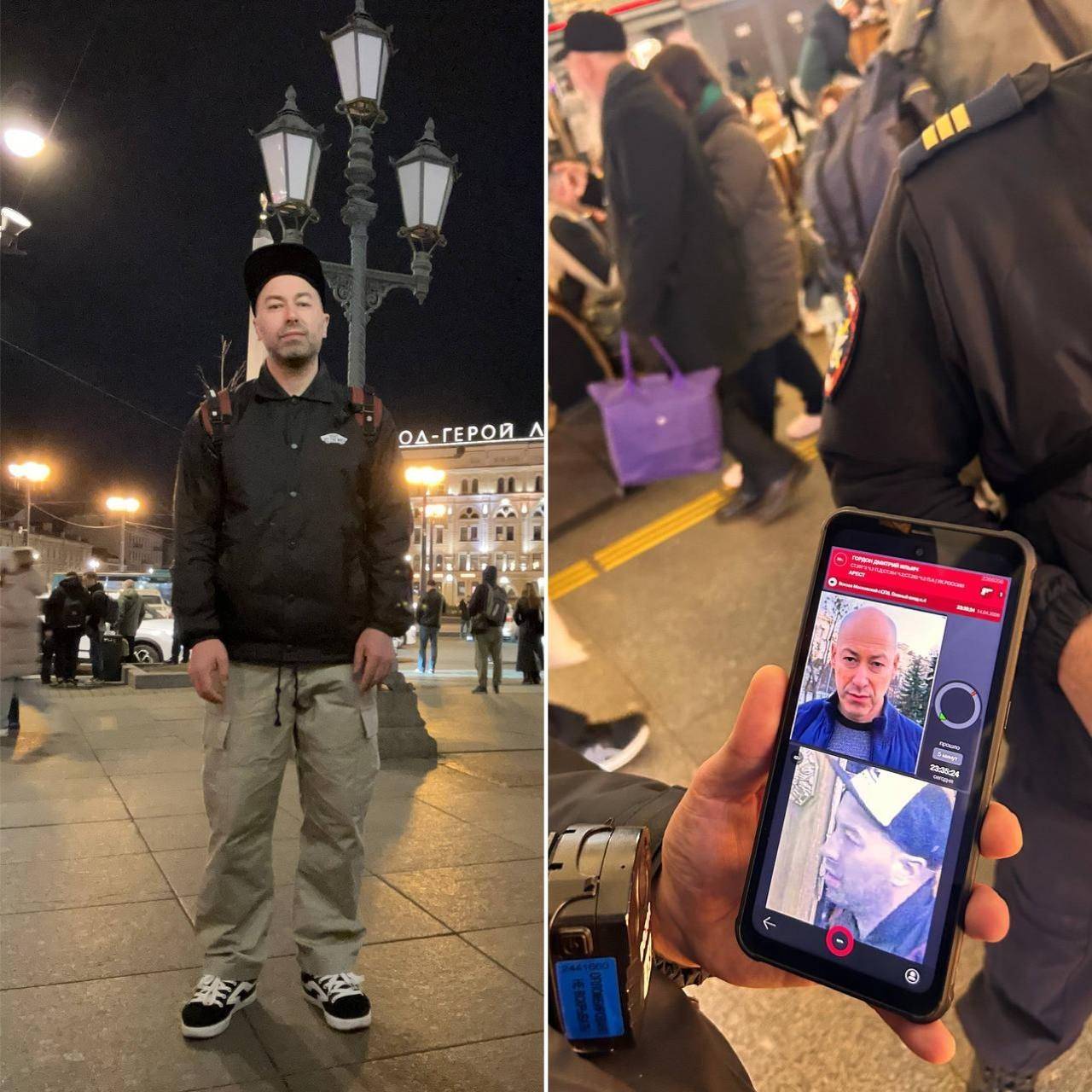
The International Network of Civil Liberties Organizations (INCLO) published a new analysis this week documenting ongoing and systemic failures in facial recognition technology deployments worldwide. The report, authored by INCLO Surveillance and Digital Rights Programme Manager Timilehin Ojo, references the organization's prior "Eyes on the Watchers" report and points to continued proof of the need for strong regulatory guardrails — including cases from Russia and elsewhere where the technology produced wrongful outcomes.
Section 702 Deadline Looms — Reform Advocates Press Congress
Section 702 of the Foreign Intelligence Surveillance Act — which allows warrantless wiretapping and data collection involving foreign nationals on US soil, including communications shared with American citizens — was set to expire April 20, 2026 after a 10-day extension passed by Congress. The Brennan Center for Justice and advocacy group 5 Calls are urging Congress to close the "backdoor search loophole" that allows warrantless queries of Americans' data. A bipartisan Government Surveillance Reform Act of 2026 (S.4082) has been introduced in the Senate.
Analysis
The UK Facial Recognition Ruling: A Template for the World?
This week's UK High Court decision is the most consequential facial recognition ruling in recent memory — not because it breaks new legal ground, but because of what it authorizes at scale. The ruling confirms that Live Facial Recognition by police is lawful, but legal observers and civil liberties advocates are warning that "lawful" does not mean "wise" or "safe."
The distinction matters enormously. The ruling essentially permits police to scan the faces of everyone in a given area against a watchlist — without consent, without notice, and without any individual suspicion. Unlike targeted CCTV, LFR is a form of mass biometric surveillance: every face is processed, even if most are immediately discarded.
The INCLO report published the same week lands as a devastating counterpoint: facial recognition technology continues to produce wrongful arrests, disproportionately harms racial minorities, and is deployed in contexts far beyond what regulators originally envisioned.
Meanwhile, DHS funding for smart glasses signals that the United States is moving toward ambient, wearable facial recognition for law enforcement — a step beyond fixed-camera systems. If agents can passively scan every face they encounter in the field, the practical effect is a surveillance dragnet that requires no warrant, no probable cause, and leaves no visible trace.
Taken together, these developments suggest a global inflection point: facial recognition is moving from pilot programs to permanent infrastructure, and the legal and political frameworks to constrain it are lagging badly behind.
Rights Action
What You Can Do This Week
-
Call your US Senators and Representatives on Section 702 reform. The surveillance law is at a critical juncture — demand they support the Government Surveillance Reform Act of 2026 (S.4082) and require warrants before the government can search Americans' communications swept up under Section 702. 5 Calls provides a script and direct phone numbers:
-
If you're in the UK, contact your MP and demand parliamentary scrutiny of the government's Live Facial Recognition rollout plan. The High Court ruling establishes legality, but Parliament can still impose strict operational limits, mandatory transparency reports, and independent oversight.
-
If you're in New York City, the Ban the Scan campaign is pushing active legislation (Int 0428-2026) that would prohibit facial recognition by any NYC agency, contractor, or employee — including residential landlords. Contact your City Council member to express support.
-
Stay informed via the EFF: The Electronic Frontier Foundation is tracking multiple surveillance-related legislative threats, including a New York state budget provision that would require 3D printers to run surveillance software. Sign up for EFF Action Alerts at eff.org.
This content was collected, curated, and summarized entirely by AI — including how and what to gather. It may contain inaccuracies. Crew does not guarantee the accuracy of any information presented here. Always verify facts on your own before acting on them. Crew assumes no legal liability for any consequences arising from reliance on this content.
Powered by
