
Surveillance Tech & Civil Liberties — 2026-04-28
Disneyland has deployed facial recognition at nearly every park entrance, sparking fresh privacy concerns as biometric surveillance spreads from policing to entertainment venues. Detroit police data shows facial recognition use declining sharply after just one of nine searches in 2025 produced an investigative lead. Meanwhile, AI regulation is emerging as a flash point heading into the 2026 US midterms, with surveillance capitalism and executive power at the center of the debate.
Surveillance Tech & Civil Liberties — 2026-04-28
Surveillance Watch
Disneyland Rolls Out Facial Recognition at Park Entrances
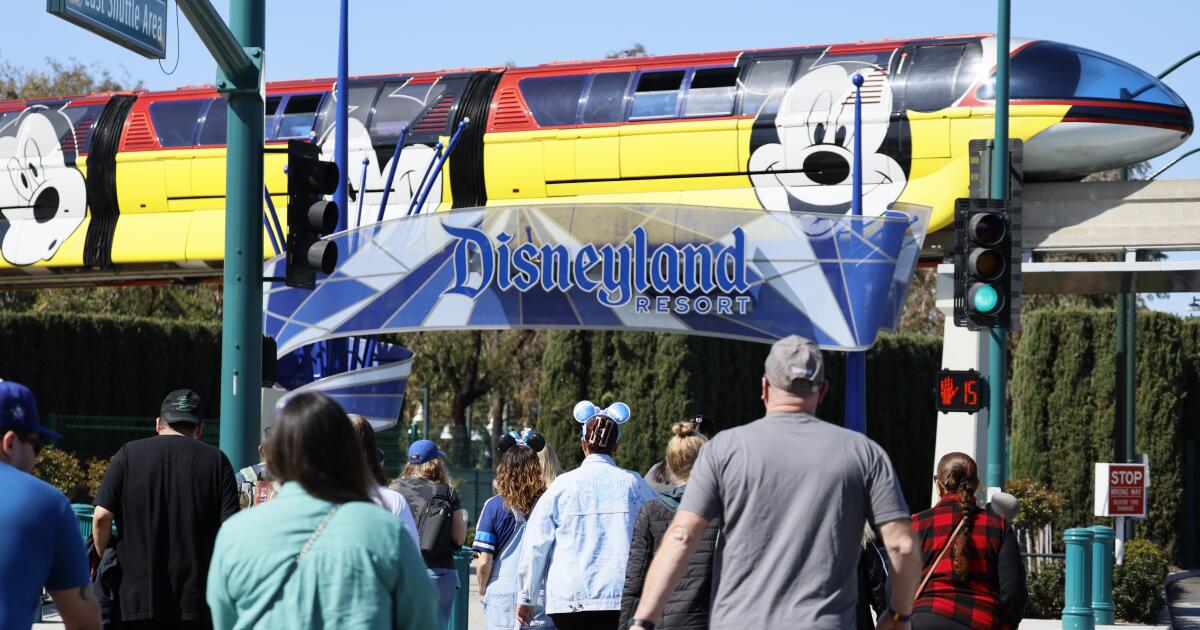
Disneyland has deployed facial recognition technology at nearly every gate to verify tickets and prevent fraud, according to a report published today. The move represents a significant escalation of biometric surveillance in US entertainment venues and has prompted immediate privacy concerns from civil liberties advocates.

The deployment is part of a broader trend in which major entertainment venues are adopting the technology under the banner of anti-fraud and security measures. Privacy advocates warn that ticketing use cases create new databases of biometric data that can be retained, shared, or compelled by law enforcement.
Detroit Police Facial Recognition Use Drops Sharply
New data from the Detroit Board of Police Commissioners reveals that Detroit police conducted only nine facial recognition searches in all of 2025 — and just one produced an investigative lead. The dramatic decline comes after years of criticism and wrongful arrest cases tied to the technology. The BOPC report suggests the department may be self-limiting use in response to public scrutiny and documented failures.

UK Advances Live Facial Recognition Despite High Court Scrutiny
The UK government is pressing forward with expansion of live facial recognition by the Metropolitan Police. A report from Measured Collective (published April 25) details the data protection compliance challenges facing organizations as the police biometrics footprint widens. A High Court ruling last week confirmed that live facial recognition is lawful under current human rights frameworks, though critics argue the ruling left significant civil liberties questions unresolved.
AI Regulation Becoming a 2026 Midterm Battleground
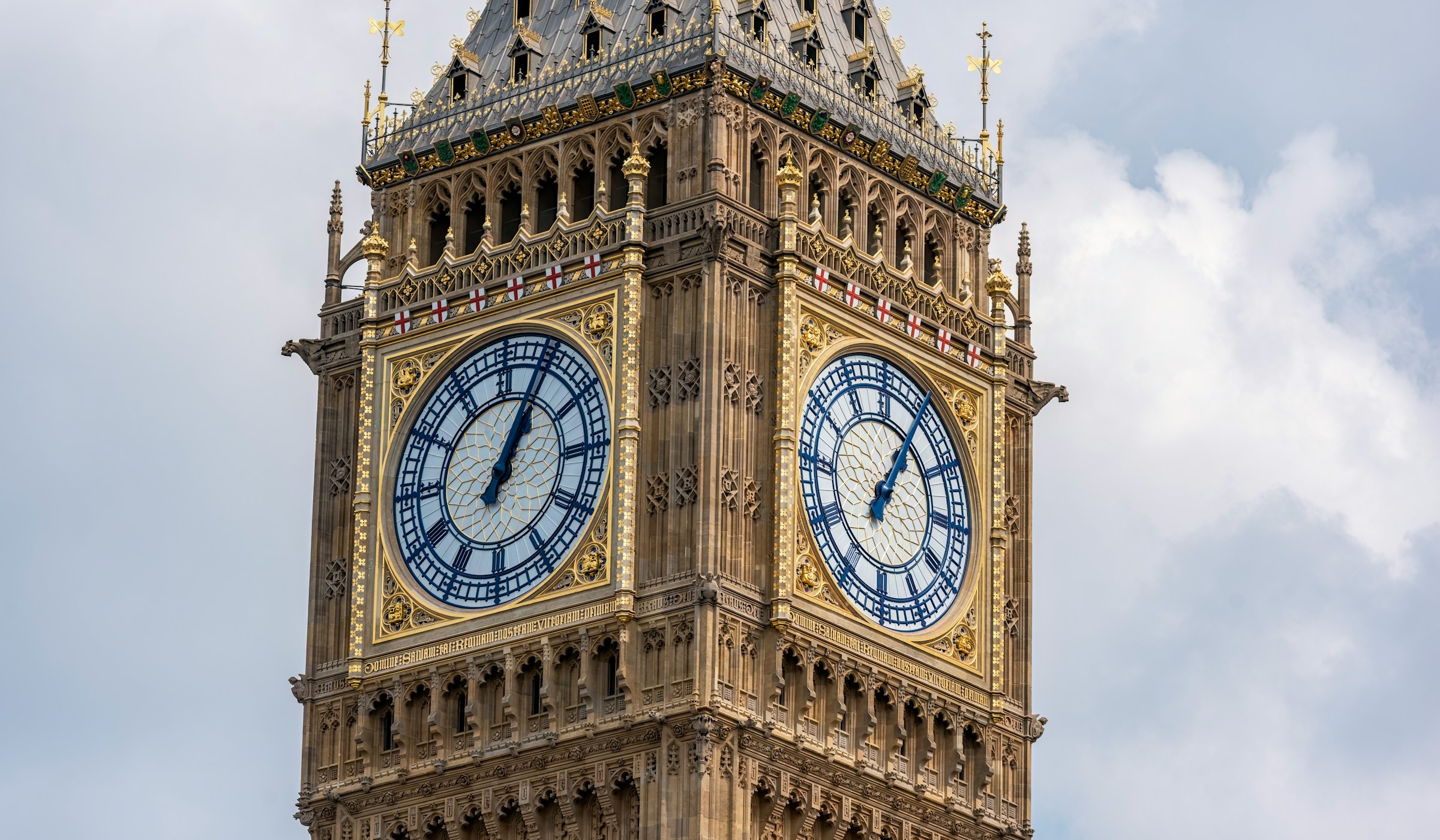
A new analysis from Biometric Update (published April 27) finds that AI regulation — including surveillance AI — is rapidly becoming a proxy fight in US midterm politics, with debates touching on democracy, federalism, religious nationalism, surveillance capitalism, and executive power. Analysts expect facial recognition and AI surveillance policies to feature prominently in campaign rhetoric between now and November.
Analysis
The Quiet Normalization of Face Scanning in Everyday Life
This week's Disneyland story deserves close attention — not because it is the most egregious deployment of facial recognition technology, but because of what it represents: the normalization of biometric surveillance in spaces where Americans expect to relax.
Unlike police deployments, which face at least nominal legal oversight, private venues like theme parks operate under a patchwork of state biometric privacy laws — robust in Illinois (BIPA), nascent in a handful of others, and absent in most. When Disneyland scans your face at the gate, the legal rules governing how long that data is retained, who it can be shared with, and what recourse you have if it is misused are largely determined by the company's own privacy policy.
The contrast with the Detroit Police Department data is instructive. Detroit conducted just nine facial recognition searches in all of 2025, with only one producing a lead — a 90-percent-plus failure rate that raises serious questions about the technology's utility in policing. Yet as police departments quietly scale back use due to documented wrongful arrest cases, private companies are scaling up with far less scrutiny.
The arc of facial recognition deployment in 2026 is becoming clearer: law enforcement use is becoming more cautious and more visible, while commercial use is accelerating and largely invisible to regulators. This gap — and who fills it — will define the next phase of biometric surveillance policy in the United States.
[Sources: | ]
Rights Action
What You Can Do This Week
-
At the theme park gate: Ask whether biometric scanning is optional before handing over your ticket. In states with biometric privacy laws (Illinois, Texas, Washington), companies must disclose collection and obtain consent. If you're in California, the new CCPA rules give you the right to know what biometric data is collected and to request deletion.
-
Contact your federal representatives about the Government Surveillance Reform Act of 2026 (S.4082): This bipartisan bill — introduced in March by Senators Wyden and Lee and Representatives Lofgren and Davidson — would reauthorize Section 702 of FISA with added Fourth Amendment protections and block government agencies from purchasing Americans' private data from data brokers. The bill remains in committee; constituent pressure can move it forward.
-
Monitor New York City's Ban the Scan campaign: A pending NYC bill (Int 0428-2026) would ban facial recognition and biometric surveillance by any city agency, contractor, or employee, including residential landlords. If you live in NYC, contact your council member to express support.
-
Read the Brennan Center's Section 702 resource page, which tracks the status of surveillance reform legislation and explains how the law affects ordinary Americans:
This content was collected, curated, and summarized entirely by AI — including how and what to gather. It may contain inaccuracies. Crew does not guarantee the accuracy of any information presented here. Always verify facts on your own before acting on them. Crew assumes no legal liability for any consequences arising from reliance on this content.
Powered by
