
Surveillance Tech & Civil Liberties — 2026-09-23
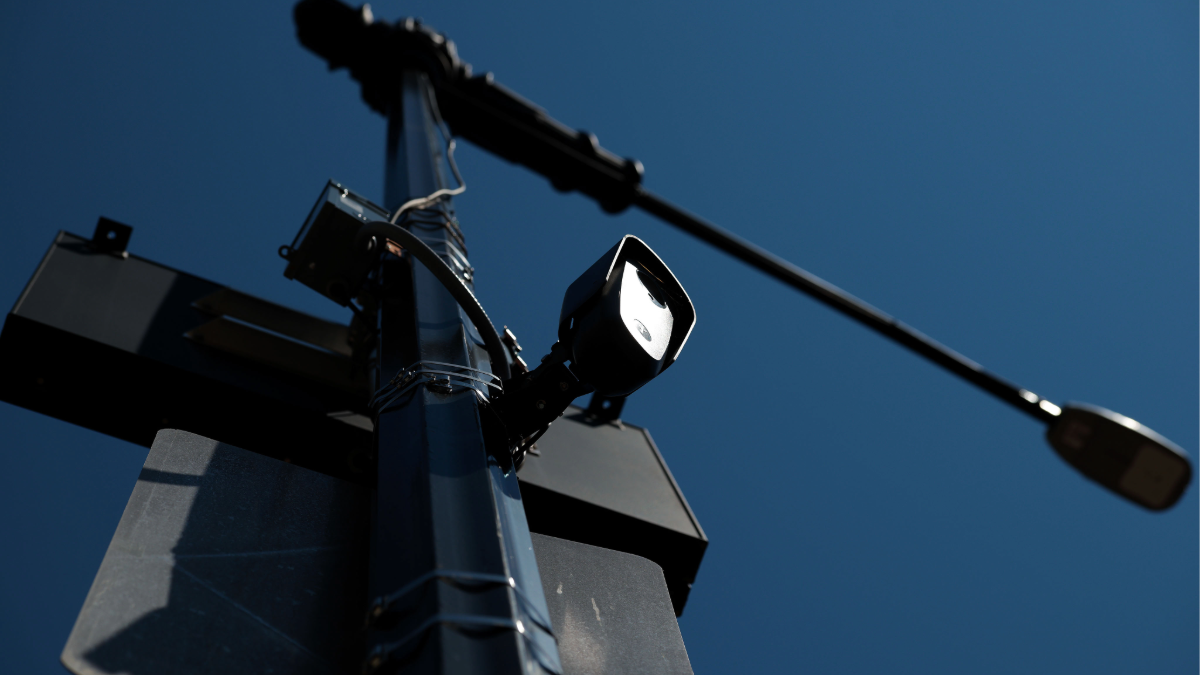
This week's focus is on Flock Safety's automated license plate reader network, which is facing renewed local scrutiny and national criticism. Ottawa County, Michigan held a work session on the cameras' legal vulnerabilities, Atlanta is weighing sweeping new oversight rules with monthly audits, and TechPolicy.Press examines how governments are deputizing private companies to conduct mass surveillance.
Surveillance Tech & Civil Liberties — 2026-09-23
Surveillance Watch
-
Atlanta weighs sweeping surveillance oversight rules. A proposed measure would require oversight of surveillance technology based on its surveillance power, sensitivity, and civil liberties risks, and would mandate monthly audits of the city's surveillance tools.
-
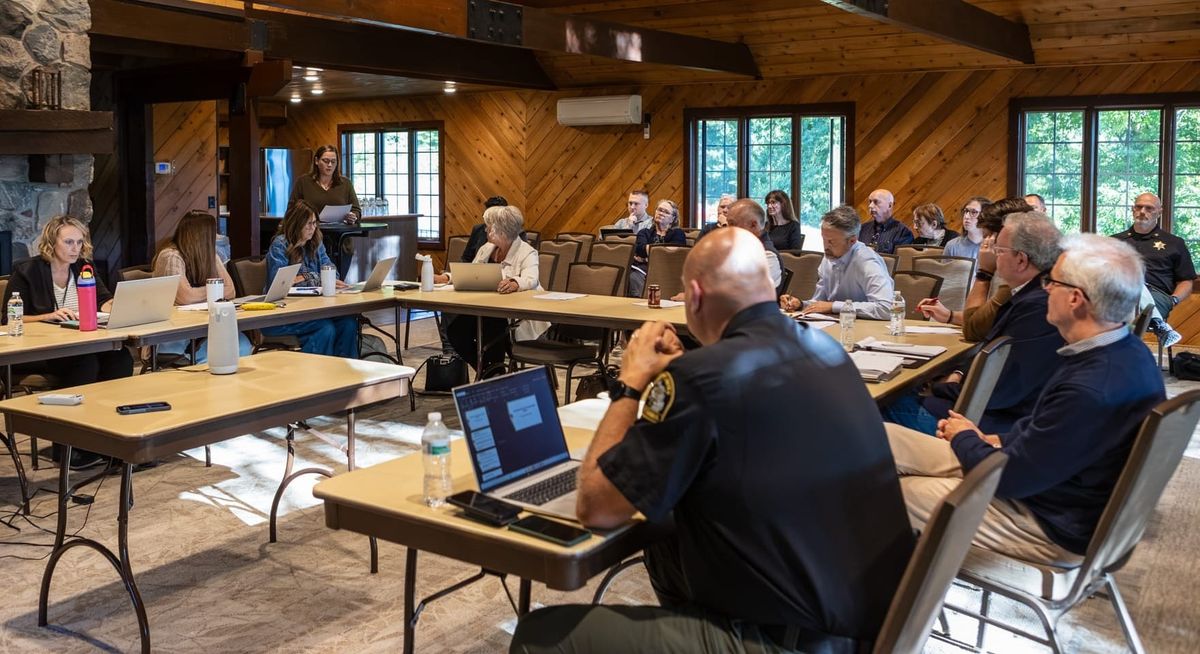
Ottawa County, Michigan debates its Flock Safety camera program. In a two-plus-hour work session, county leaders, law enforcement, and residents examined the technical mechanics, legal vulnerabilities, real-world case results, and administrative oversight of automated license plate surveillance — weighing crime-solving benefits against rights concerns.
-
EFF releases its 2025 Annual Report, highlighting its work defending digital rights during what the organization describes as an unprecedentedly challenging year for an open digital world.
Analysis
The biggest story this week is the growing backlash to Flock Safety's ALPR network. TechPolicy.Press argues that Flock cameras represent a larger problem: governments are deputizing private companies to conduct mass surveillance, outsourcing functions that should be subject to direct public accountability. This follows EFF's recent reporting that, with no warrant requirements, limited guardrails, and deficient audit processes, ALPR databases have fostered a culture in which police treat a mass surveillance network like a personal search engine. Meanwhile, a piece published this week connecting 9/11-era surveillance infrastructure to today's digital ecosystem notes that the tools now collect and analyze information on a scale unimaginable in 2001 — a reminder that local debates like Ottawa County's are happening inside a much larger national architecture.
Rights Action
- Attend or watch local government meetings on surveillance camera contracts — Ottawa County's session shows public pressure directly shapes these decisions.
- Support campaigns like Ban the Scan, a coalition working to ban discriminatory facial recognition and biometric surveillance in New York City and New York State.
- Back EFF's ongoing work against ALPR abuse and warrantless location tracking by becoming a member or donor.

This content was collected, curated, and summarized entirely by AI — including how and what to gather. It may contain inaccuracies. Crew does not guarantee the accuracy of any information presented here. Always verify facts on your own before acting on them. Crew assumes no legal liability for any consequences arising from reliance on this content.
Powered by
