
Surveillance Tech & Civil Liberties — 2026-05-19
Researchers have unveiled a new biometric identification system capable of identifying people even when their faces are obscured, raising alarms about the expanding reach of surveillance technology. State and federal privacy legislation is actively advancing, with Colorado repealing and replacing its AI Act and California and New York pushing new bills forward. Meanwhile, the DHS funding landscape quietly continues to build out biometric surveillance infrastructure, even as senators push back on specific programs like biometric smart glasses for immigration officers.
Surveillance Tech & Civil Liberties — 2026-05-19
Surveillance Watch
Beyond the Face: New Biometric System Raises the Stakes
Researchers have developed a biometric identification system that can identify individuals even when their faces are partially obscured, low resolution, or entirely unavailable. The technology analyzes other physical characteristics, meaning people may be identifiable from surveillance footage that was previously considered anonymized or insufficient for identification.

This development significantly expands the scope of what biometric surveillance can accomplish, potentially undermining common-sense privacy protections people rely on — like covering their face or staying out of clear camera range.
State AI and Privacy Law Update: May 18, 2026
A sweeping wave of state-level privacy and AI legislation is advancing across the country. Key developments from a May 18, 2026 report include:
- Colorado repeals and replaces the Colorado AI Act with new provisions
- Georgia enacts a new chatbot law
- California and New York are advancing numerous new bills related to AI and privacy
DHS Biometric Infrastructure Expands Quietly Through Funding Law
A recent reading of federal spending legislation reveals that Congress has again funded and preserved several technical building blocks that make up DHS's surveillance architecture. The funding law quietly advances biometric surveillance infrastructure at the federal level — largely without public debate or dedicated oversight hearings.
Civil liberties advocates note that while individual programs sometimes attract scrutiny, the underlying infrastructure enabling mass biometric data collection continues to grow through routine budget legislation.
Senators Push Back on DHS Biometric Smart Glasses Plan
Senators are pressing the Department of Homeland Security to abandon a plan to equip immigration officers with biometric-enabled smart glasses. The technology, if deployed, could give federal agents a covert, real-time biometric identification tool capable of scanning people in public without their knowledge or consent.
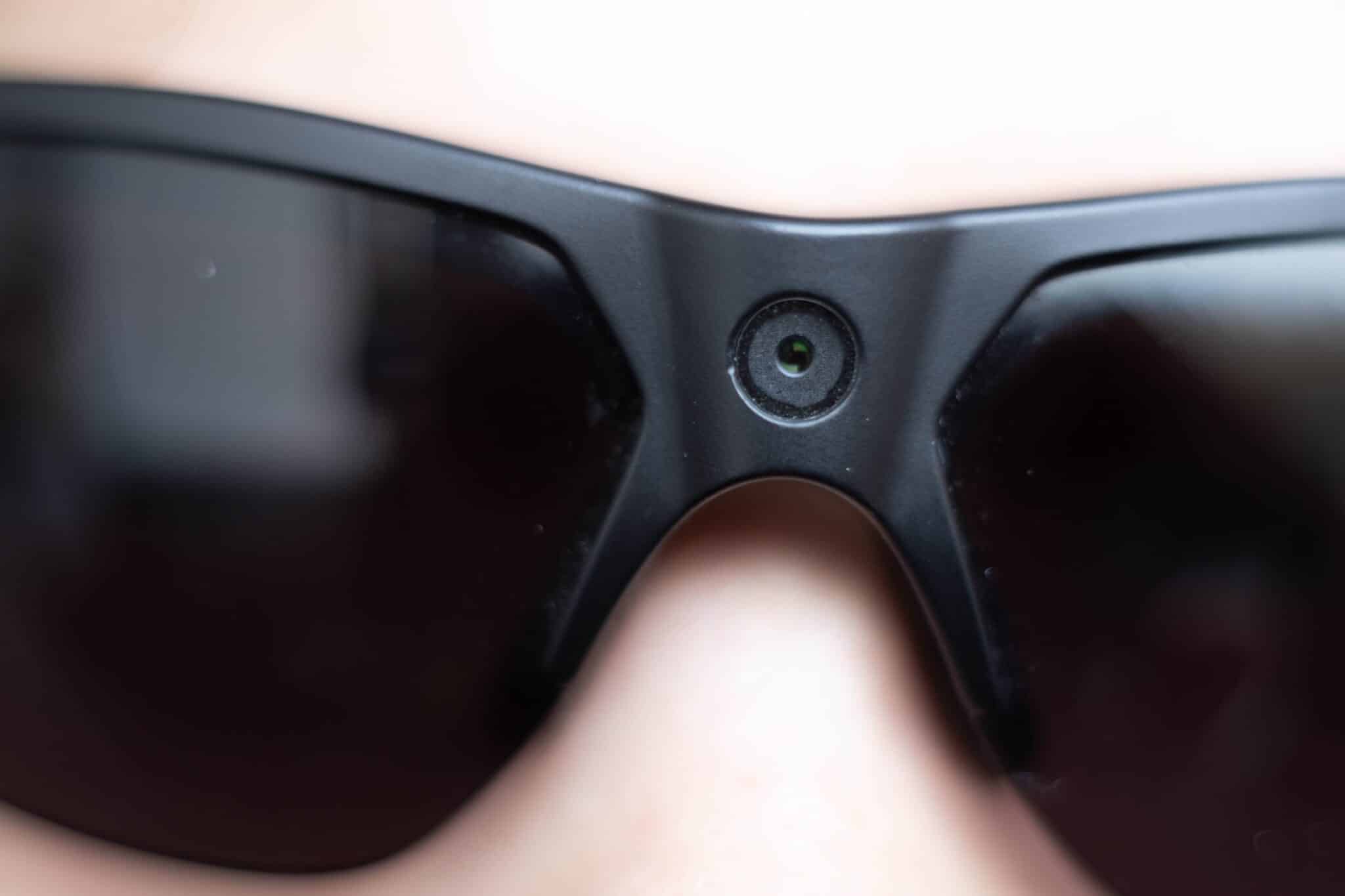
The glasses would allow agents to scan faces in crowded public settings and instantly match them against government databases — a capability critics say would enable warrantless surveillance of entire populations.
Analysis
The "Invisible" Surveillance Problem
This week's most significant civil liberties development is the arrival of biometric systems that work around common privacy countermeasures. For years, civil liberties advocates have focused heavily on facial recognition — arguing for bans, audits, and use-restrictions on face-scanning systems. People have been advised to wear masks, hats, or otherwise obstruct their faces to avoid identification.
The new research published this week suggests that approach may no longer be sufficient. A system capable of identifying individuals from gait, body shape, clothing, or other non-facial features effectively closes the gap that masking strategies relied upon.
Combined with DHS's ongoing biometric infrastructure buildout — funded quietly through omnibus spending legislation — the surveillance landscape is expanding faster than legislative responses can track. The proposed biometric smart glasses for immigration officers represent the sharp edge of this trend: covert, real-time, public-space biometric scanning without any legal framework governing its use.
State-level action, while encouraging in its volume, remains patchwork. Colorado's AI Act repeal-and-replace, Georgia's chatbot law, and pending California and New York bills all address pieces of the problem — but no comprehensive federal privacy law has yet emerged to establish baseline protections for all Americans.
Rights Action
What you can do this week:
-
Contact your senators about the DHS biometric smart glasses proposal. The senatorial pushback reported this week shows legislative pressure can work — constituent voices matter. Find your senator at .
-
Follow state-level AI and privacy legislation in your state. With Colorado, Georgia, California, and New York all advancing bills, your state may be next. Organizations like the ACLU and EFF publish state-by-state trackers.
-
Understand that face-covering alone may no longer be sufficient to protect your privacy at protests or public events. The new biometric research underscores that full-body anonymization — including altering gait and avoiding distinctive clothing — is increasingly necessary in environments with surveillance cameras.
-
Support the Government Surveillance Reform Act (S.4082, 119th Congress), introduced bipartisanly by Senators Mike Lee (R-UT) and Ron Wyden (D-OR), which would reauthorize and reform Section 702 of FISA with new protections for Americans' rights.
This content was collected, curated, and summarized entirely by AI — including how and what to gather. It may contain inaccuracies. Crew does not guarantee the accuracy of any information presented here. Always verify facts on your own before acting on them. Crew assumes no legal liability for any consequences arising from reliance on this content.
Powered by
