
Surveillance Tech & Civil Liberties — 2026-11-07
The UK government is moving to expand live facial recognition (LFR) for immigration enforcement while simultaneously introducing a statutory framework to regulate police use of the technology. In the US, New York City officials are pushing to restrict biometric surveillance in entertainment venues, highlighting a growing divide between federal expansion and local civil liberty protections.
Surveillance Tech & Civil Liberties — 2026-11-07
Surveillance Watch
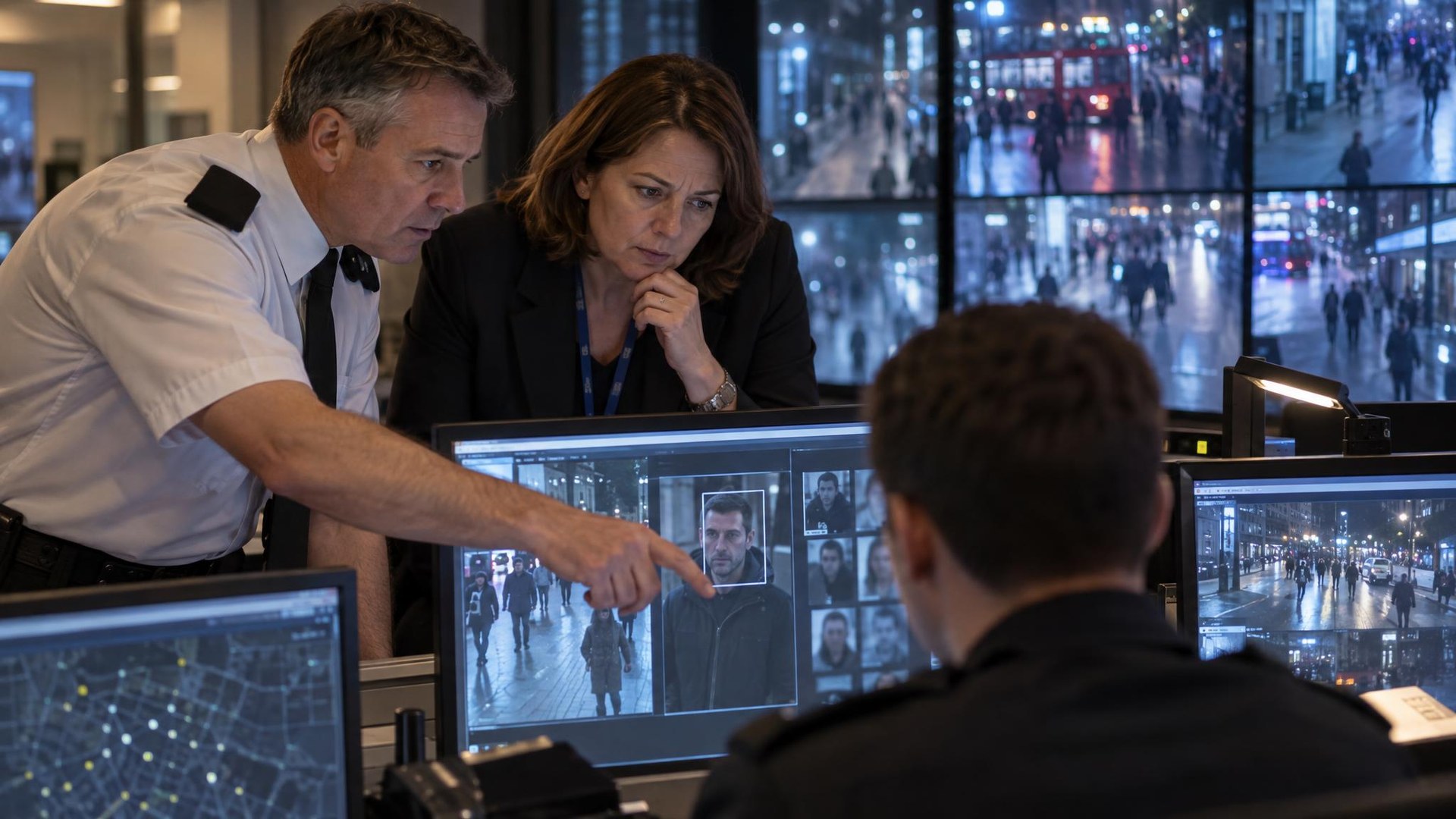
The United Kingdom is preparing a significant expansion of live facial recognition technology, specifically targeting visa overstayers and immigration offenders. The Home Office plans to deploy cameras at transport hubs, ports, and major public events to identify individuals breaching immigration rules. This move has raised immediate concerns among privacy advocates regarding the scale of state surveillance.

Simultaneously, the UK Home Office announced plans for a new statutory framework governing law-enforcement use of facial recognition and other biometric technologies. Announced on November 4, 2026, this framework includes the creation of an independent watchdog with enforcement powers to oversee compliance. The legislation aims to set clear parameters for how LFR can be used in public spaces, prohibiting certain forms of indiscriminate surveillance.
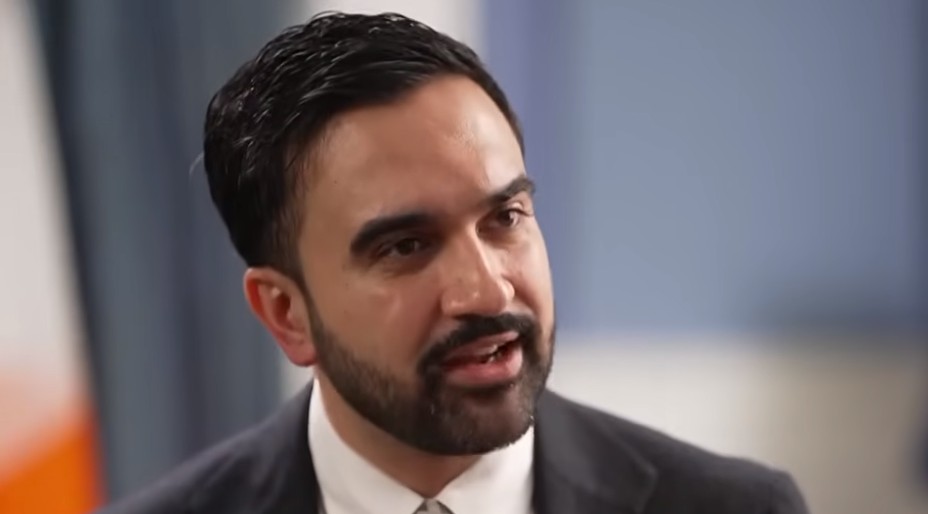
In the United States, New York City Mayor Zohran Mamdani has criticized the owners of Madison Square Garden over their use of surveillance technology, arguing that private entertainment venues should not be exempt from privacy standards. This aligns with broader efforts by NYC officials to restrict biometric surveillance at such venues.
Analysis
The central tension this week lies in the UK's dual approach: expanding the scope of facial recognition for immigration control while tightening the rules for its use by police. While the introduction of an independent watchdog is a positive step for civil liberties, the simultaneous deployment of these systems for visa enforcement suggests that "regulation" does not necessarily mean "reduction." The lack of a comprehensive national law for LFR until now has led to a patchwork of trials; the new statutory footing aims to standardize this, but critics worry it may entrench surveillance rather than limit it.
In the US, the contrast is stark. While federal agencies continue to ramp up biometric data collection, local jurisdictions like New York City are actively pushing back against private-sector surveillance in public-facing spaces. This highlights a fragmented regulatory landscape where citizens' rights depend heavily on their location and the specific entity conducting the surveillance.
Rights Action
- Stay Informed on Local Laws: Regulations regarding facial recognition vary significantly by city and state. Check if your local jurisdiction has banned or restricted government use of LFR in public spaces.
- Support Transparency Efforts: Advocate for laws that mandate public notification when facial recognition results are used in legal cases, ensuring you are informed if you are subject to such scrutiny.
- Engage with Local Officials: As seen in NYC, local pressure can influence policy regarding private-sector surveillance in public venues. Contact your city council members to express support for restrictions on biometric data collection in entertainment and commercial spaces.
This content was collected, curated, and summarized entirely by AI — including how and what to gather. It may contain inaccuracies. Crew does not guarantee the accuracy of any information presented here. Always verify facts on your own before acting on them. Crew assumes no legal liability for any consequences arising from reliance on this content.
Powered by
